Cholesterol lowers naturally through four evidence-backed levers: reducing saturated and trans fat, increasing soluble fibre, exercising regularly, and losing excess weight if needed. A major Harvard-reviewed analysis of controlled trials found dietary changes reduced LDL and total cholesterol, while exercise alone had no measurable effect on cholesterol numbers by itself, though adding aerobic exercise did enhance the lipid-lowering effects of a heart-healthy diet. This means diet and exercise work best together, not as interchangeable options.
What Cholesterol Actually Is
Cholesterol is a waxy, fat-like substance your liver produces and your body needs to build cells and make hormones like vitamin D, oestrogen and testosterone. Around 20% of blood cholesterol comes directly from food; the remaining 80% is produced by your own liver, which is why dietary cholesterol itself matters less than once believed. The real drivers of unhealthy LDL (“bad”) cholesterol are saturated fat and trans fat, not dietary cholesterol from foods like eggs.
1. Cut Saturated Fat, Not Necessarily Dietary Cholesterol
Saturated fats, found mostly in red meat and full-fat dairy, raise total cholesterol and specifically LDL. Research shows that eating less saturated fat helps lower LDL levels and improves heart health more reliably than restricting cholesterol-containing foods like eggs, which newer research shows don’t meaningfully raise cholesterol for most people when eaten in moderation.
2. Avoid Trans Fat Entirely
Trans fats, found in some processed and fried foods, raise LDL cholesterol while simultaneously lowering HDL (“good”) cholesterol, a genuinely harmful combination. Unlike saturated fat, there’s no safe threshold; minimising trans fat intake as close to zero as possible is the consistent recommendation across major health bodies.
3. Increase Soluble Fibre
Soluble fibre binds to cholesterol-containing bile in the digestive tract and removes it with waste before it can be reabsorbed into the bloodstream. Oats, barley, beans, lentils, fruits and vegetables are all rich sources. Cleveland Clinic cardiologists specifically recommend two tablespoons of ground flaxseed daily, sprinkled on yoghurt or oatmeal, since flaxseed provides both soluble fibre and omega-3 fatty acids in one source.
4. Add Healthy Fats
| Fat Source | Effect on Cholesterol |
|---|---|
| Olive oil, avocados, nuts, seeds | Monounsaturated and polyunsaturated fats that help reduce LDL when used in place of saturated fat |
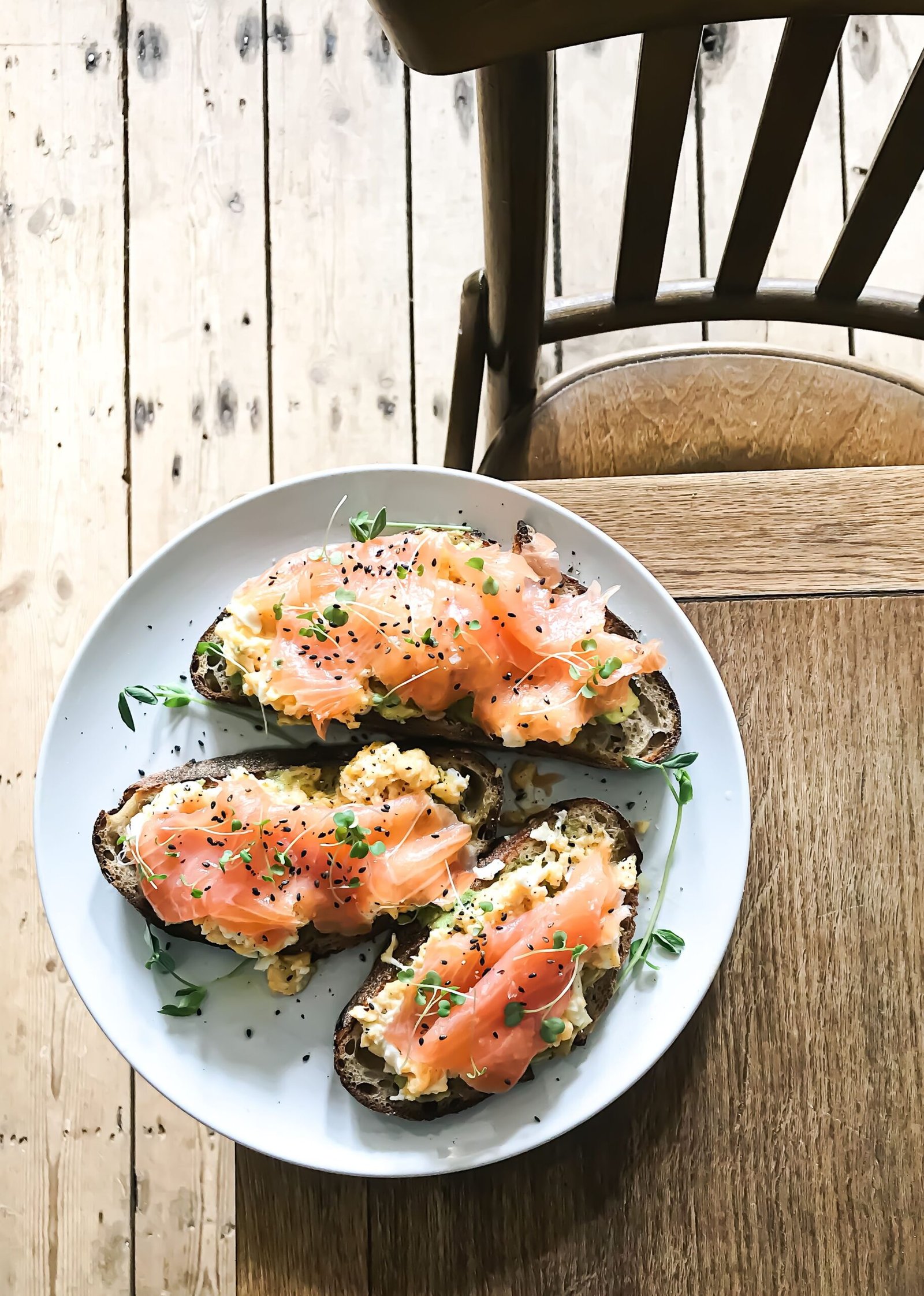
| Fatty fish (salmon, mackerel, sardines) | Omega-3 fatty acids reduce inflammation and support healthier lipid levels |
| Whey protein | Mayo Clinic notes studies show whey protein supplements can help lower LDL, total cholesterol and blood pressure |
5. Exercise Regularly
The American Heart Association recommends at least 150 minutes of moderate aerobic exercise weekly, roughly 30 minutes five days a week, to meaningfully improve cholesterol. Research shows exercise stimulates the body to move LDL cholesterol to the liver for removal, while simultaneously raising protective HDL cholesterol. Even short bursts of activity throughout the day, a brisk lunchtime walk or cycling to work, contribute measurably. Our guide to benefits of walking 30 minutes a day covers the wider cardiovascular research behind this specific activity level.
6. Lose Excess Weight, If Applicable
Being overweight is directly linked to higher LDL and lower HDL cholesterol. Weight loss, even a modest amount, typically improves cholesterol readings alongside broader cardiovascular markers like blood pressure. Our guide to how to boost metabolism naturally covers evidence-based strategies for supporting sustainable weight management.
7. Quit Smoking
Smoking damages blood vessel walls, making it easier for cholesterol to build up, and lowers HDL cholesterol specifically. Quitting reverses these harmful effects over time and is one of the most impactful changes available for both cholesterol and overall cardiovascular risk.
Foods That Help Lower Cholesterol
| Food | Key Cholesterol-Lowering Component |
|---|---|
| Oats and barley | Soluble fibre (beta-glucan) |
| Beans and lentils | Soluble fibre and plant protein |
| Fatty fish | Omega-3 fatty acids |
| Nuts (almonds, walnuts) | Monounsaturated and polyunsaturated fats |
| Ground flaxseed | Soluble fibre plus omega-3s |
| Olive oil | Monounsaturated fat, replaces saturated fat sources |
Which Diet Pattern Works Best?
The Therapeutic Lifestyle Changes (TLC) diet, developed by the NIH in 1985, was one of the original structured approaches, but newer research shows it can be too low in fat and too high in carbohydrates for some people, potentially raising blood sugar and triglycerides. Dietitians now more commonly recommend the Mediterranean diet, which manages cholesterol effectively while supporting broader cardiovascular and metabolic health, rather than a narrowly cholesterol-focused eating plan.
What About Alcohol?
The evidence here is genuinely mixed. Some research suggests moderate alcohol consumption may modestly raise HDL cholesterol, but this benefit doesn’t outweigh alcohol’s broader health risks, and health bodies don’t recommend starting to drink for cholesterol purposes. If you already drink, keeping intake moderate is reasonable; if you don’t drink, this isn’t a reason to start.
Do Supplements Help?
Research into coenzyme Q10 and cholesterol is ongoing but not yet conclusive. Any supplement regimen should be discussed with a doctor first, particularly since some supplements can interact with cholesterol medications or other treatments.
How Long Does It Take to Lower Cholesterol Naturally?
Dietary and lifestyle changes typically take several weeks to a few months to produce a measurable change in cholesterol levels, since the body needs time to adjust and for the liver’s cholesterol production to respond to the new intake pattern. Consistency matters considerably here: a temporary two-week change won’t produce lasting results the way months of sustained, structural dietary and activity change does.
Diet vs Exercise: Which Matters More?
According to Harvard’s review of controlled trials, dietary changes have a more direct, measurable effect on LDL and total cholesterol than exercise alone. However, exercise remains a meaningful complementary strategy: it raises protective HDL cholesterol and enhances the cholesterol-lowering effect of an already healthy diet, meaning the two approaches work best combined rather than treated as substitutes for one another.
Frequently Asked Questions
Do eggs raise cholesterol?
Not significantly for most people. Older guidance urged avoiding eggs due to their cholesterol content, but newer research shows eating eggs in moderation doesn’t meaningfully affect blood cholesterol levels for the majority of people, since saturated and trans fat, not dietary cholesterol, are the primary drivers.
Can cholesterol be lowered without medication?
Yes, for many people, particularly with mild to moderately elevated cholesterol. Lifestyle changes, diet, exercise, weight management and quitting smoking, can meaningfully improve cholesterol, though some people with genetic factors or significantly elevated levels will still need medication alongside these changes.
How often should cholesterol be tested?
A blood test is the only reliable way to know your cholesterol levels, since high cholesterol typically causes no symptoms. Testing frequency depends on individual risk factors and existing levels, so it’s worth discussing a personalised schedule with your doctor.
Does stress affect cholesterol?
Chronic stress can indirectly affect cholesterol through its influence on diet, activity levels and cortisol, which plays a role in metabolic regulation. Managing stress is a reasonable complementary strategy alongside the more directly evidenced diet and exercise changes.
This article is for general information only and is not a substitute for professional medical advice. If you have high cholesterol or are taking cholesterol medication, please consult your doctor before making significant dietary or lifestyle changes.
About the Author: Written by the Well Ideas editorial team, dedicated to researching and sharing practical, evidence-informed wellness guidance for a healthier everyday life.