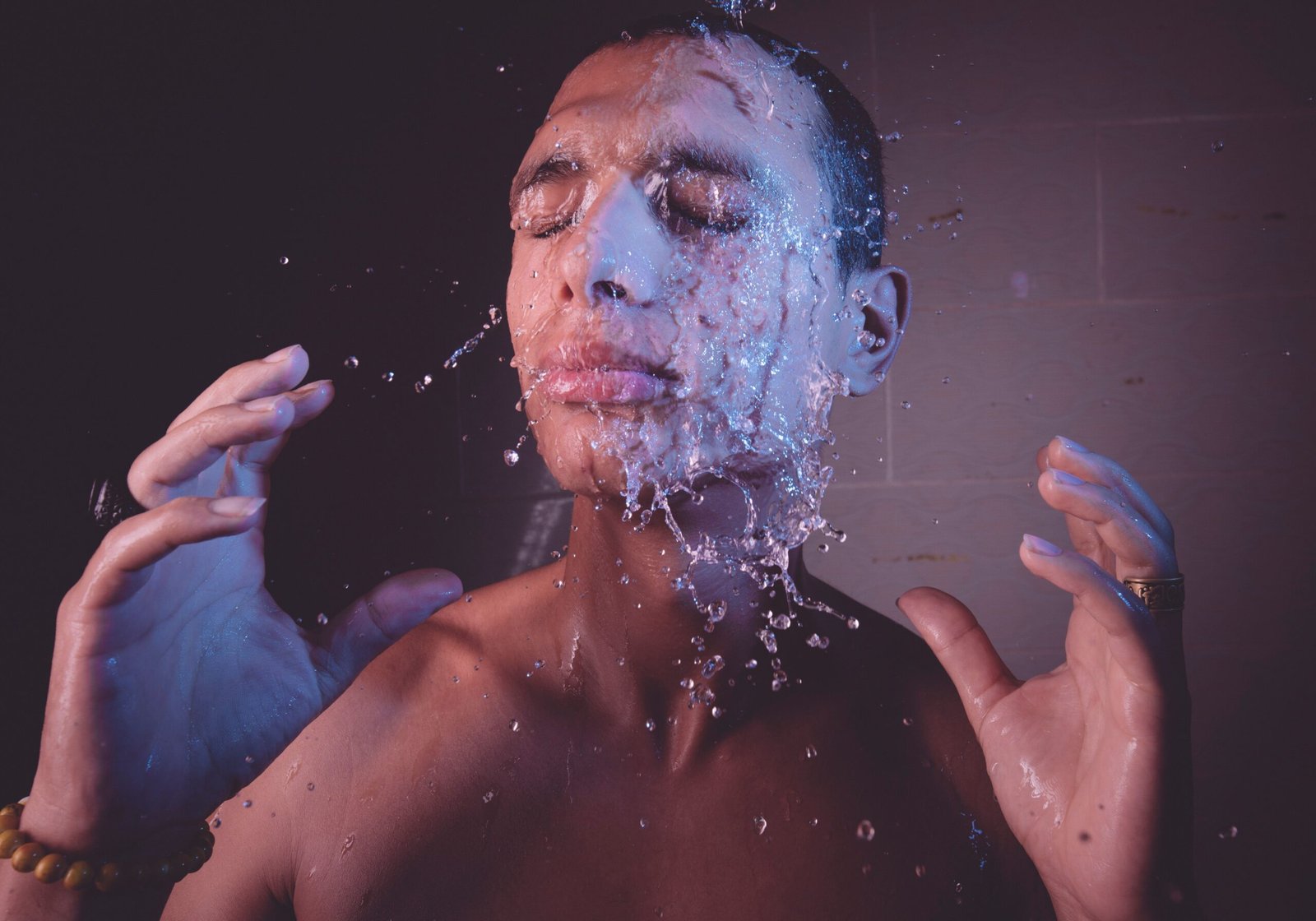
Cold showers involve deliberately exposing your body to cold water, typically between 10 and 15 degrees Celsius, for anywhere from thirty seconds to several minutes. Interest has surged alongside the wider cold water therapy movement, from ice baths to open water swimming, but the humble cold shower remains the most accessible entry point since it needs no equipment beyond your existing shower.
The evidence base is still developing, but a growing number of peer-reviewed studies point to genuine benefits for circulation, immune activity, stress resilience and mood, alongside the more anecdotal reports of increased alertness and energy.
What Happens to Your Body in a Cold Shower?
Cold water triggers a rapid physiological stress response. Blood vessels near the skin constrict to protect your core temperature, your heart rate briefly increases, and stress hormones such as noradrenaline are released. This controlled, short-term stress is known as hormesis: a small, manageable dose of stress that can trigger beneficial long-term adaptations, similar to the principle behind exercise.
Science-Backed Benefits of Cold Showers
1. May Support Immune Function
A frequently cited Dutch study followed over 3,000 participants who took cold showers for 30, 60 or 90 seconds daily for 90 days. Those who continued the practice reported 29 percent fewer sick days than the control group. Laboratory research also shows regular cold shower exposure can increase certain white blood cell markers, though researchers note more studies are needed to confirm the mechanism.
2. Reduces Perceived Stress
A 2022 study published in Current Psychology found that participants who took cold showers for up to a minute daily over two weeks reported measurably lower stress levels than a control group, with stronger effects when combined with controlled breathing beforehand.
3. Boosts Alertness and Energy
The shock of cold water activates your sympathetic nervous system, producing a rush of adrenaline and noradrenaline that many people describe as an instant, natural energy boost, without the crash associated with caffeine.
4. Supports Exercise Recovery
A 2023 meta-analysis of cold water immersion studies found reduced muscle soreness and improved perceived recovery following intense exercise. Cold showers appear to offer a milder version of this effect compared to full cold water immersion or ice baths.
5. May Improve Mood
Emerging research suggests cold water exposure may help reduce symptoms of low mood, potentially by increasing circulating levels of noradrenaline and endorphins. A UCLA Health review notes that participants in small clinical studies reported decreased depressive symptoms after regular cold showers over several months.
6. Improves Circulation
Alternating between warm and cold water causes blood vessels to constrict and then dilate, which some researchers believe supports healthier long-term circulation, though large-scale human trials are still limited.
7. Builds Mental Resilience
Voluntarily tolerating a daily moment of discomfort is often described by regular practitioners as a form of mental training, one that can carry over into greater tolerance for other stressful situations in daily life.
Cold Showers vs Ice Baths vs Cold Water Swimming
| Method | Typical Temperature | Typical Duration | Best For |
|---|---|---|---|
| Cold shower | 10 to 20°C | 30 seconds to 5 minutes | Daily habit, accessible entry point, mood and alertness |
| Ice bath | 10 to 15°C | 10 to 15 minutes | Post-exercise recovery, deeper physiological stimulus |
| Cold water swimming | Varies, often under 10°C | 2 to 10 minutes | Combined cardiovascular and cold exposure benefits |
How to Start Taking Cold Showers
- Start with contrast showers: finish your normal warm shower with thirty seconds of cold water rather than starting fully cold
- Build up gradually: increase the cold duration by fifteen to thirty seconds each week
- Control your breathing: slow, steady breaths reduce the shock response and make the cold easier to tolerate
- Aim for consistency over intensity: a short daily cold shower is more beneficial long-term than an occasional extreme one
- Try mornings first: many people find cold showers easier to introduce as part of a morning routine, when the alertness boost is most useful
If you are also working on building calmer, more resilient daily habits, our guide to signs of burnout covers other evidence-based ways to build stress resilience alongside cold exposure.
Who Should Avoid Cold Showers
- People with heart conditions, uncontrolled high blood pressure, or a history of arrhythmia, since the initial shock raises heart rate and blood pressure
- Pregnant women, without first checking with a healthcare provider
- People with Raynaud’s phenomenon or other circulation disorders
- Anyone with a weakened immune system or currently unwell, particularly with a fever
If you have any underlying health condition, it is worth checking with a GP before starting a regular cold exposure practice.
How Long Should a Cold Shower Be for Benefits?
Most of the research showing measurable benefits, including the Dutch immune study and the Current Psychology stress study, used cold showers lasting between thirty seconds and two minutes daily. Longer is not necessarily better: consistency over weeks appears to matter more than the length of any single session.
Frequently Asked Questions
Do cold showers help with weight loss?
Cold exposure can temporarily increase metabolism as your body works to maintain its core temperature, but there is no strong evidence that cold showers alone lead to meaningful weight loss.
Is it better to take a cold shower in the morning or at night?
Mornings tend to suit most people best, since the alertness and energy boost aligns with starting the day. Some people also use brief cold exposure in the evening to support recovery after exercise, though it may feel more stimulating for a sleep routine.
Can cold showers replace ice baths for muscle recovery?
Cold showers offer a milder version of the same effect. Ice baths, which involve longer, more complete immersion at a controlled temperature, tend to produce a stronger recovery response, but cold showers remain a practical, accessible alternative.
How cold does the water need to be?
Most studies use water between 10 and 20 degrees Celsius, roughly what comes out of an unheated tap in many climates. A thermometer is not required; the water should feel genuinely uncomfortable but tolerable.
This article is for general information only and is not a substitute for professional medical advice. If you have a heart condition or other health concerns, please speak to a doctor before starting cold water exposure.
About the Author: Written by the Well Ideas editorial team, dedicated to researching and sharing practical, evidence-informed wellness guidance for a healthier everyday life.