What helps most with food poisoning?
Food poisoning usually gets better on its own in a few days. Rest and fluids matter most. No home remedy cures it. This guide explains what food poisoning is, how to look after yourself at home, and when to call NHS 111, a GP, or 999.
The main risk is dehydration. Vomiting and diarrhoea lose water and salts from the body. Replacing fluids matters more than any food or drink you may have heard about.
What is food poisoning?
Food poisoning is illness caused by eating food that contains germs, such as bacteria or viruses. It can also come from food handled by someone who is ill.
Common symptoms are feeling sick, vomiting, diarrhoea, stomach cramps, and a high temperature. Symptoms often start within a few hours or days of eating the food. Most people recover within a few days without treatment.
Some people need extra care. They include babies, pregnant women, older people, and people with a weak immune system. If you are in one of these groups, contact your GP or call NHS 111 sooner rather than later.
What to do at home
Rest. Stay at home and rest while you feel ill. Do not return to work or school until at least 48 hours after the last episode of vomiting or diarrhoea.
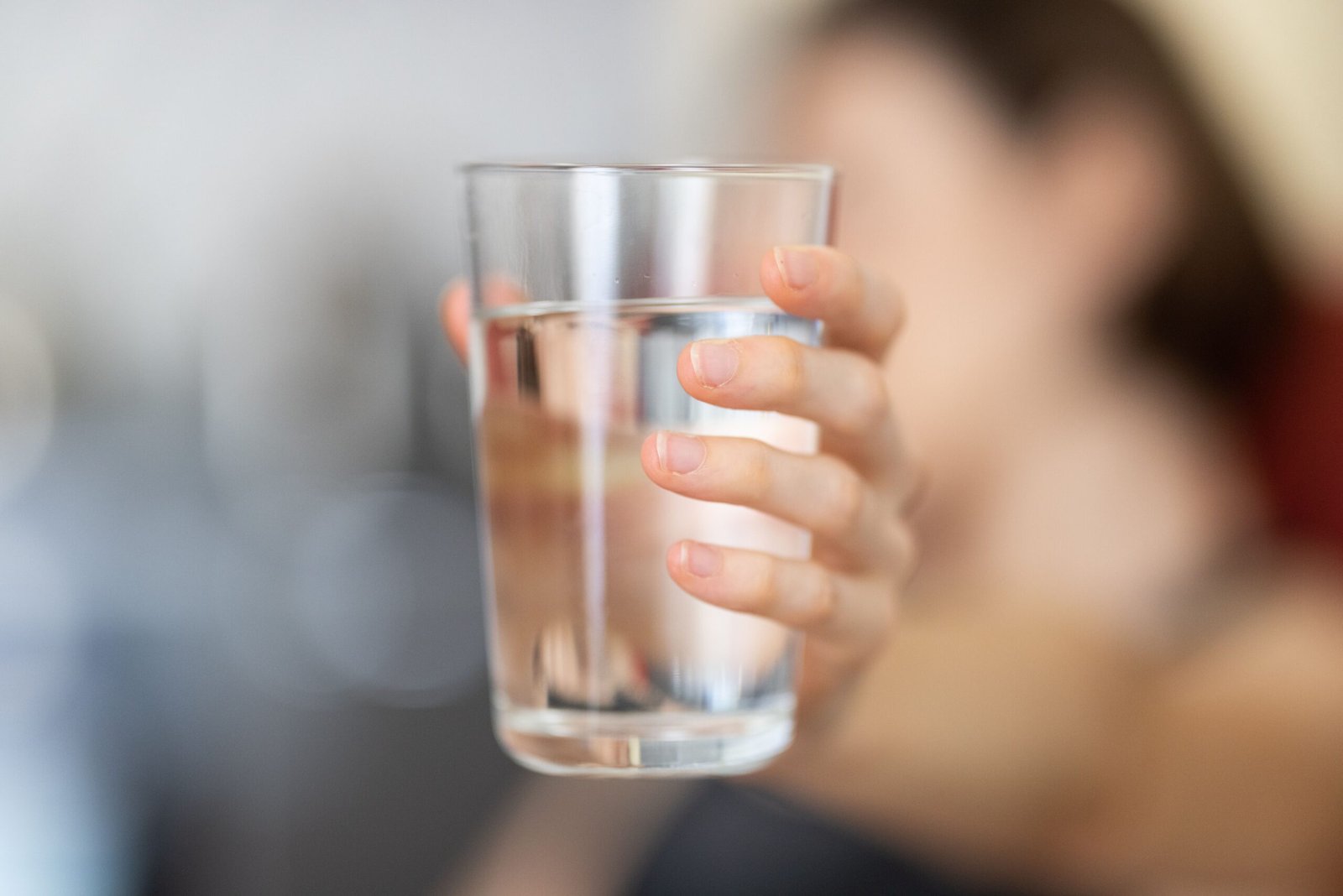
Drink fluids. Take small sips of water often. Do not try to drink large amounts at once, as this can make you feel more sick.
Use oral rehydration salts if you can. You can buy oral rehydration salts, also called ORS, from a pharmacy. They replace water and salts lost through vomiting and diarrhoea. Follow the instructions on the pack. Read our guide to the signs of dehydration so you know what to watch for.
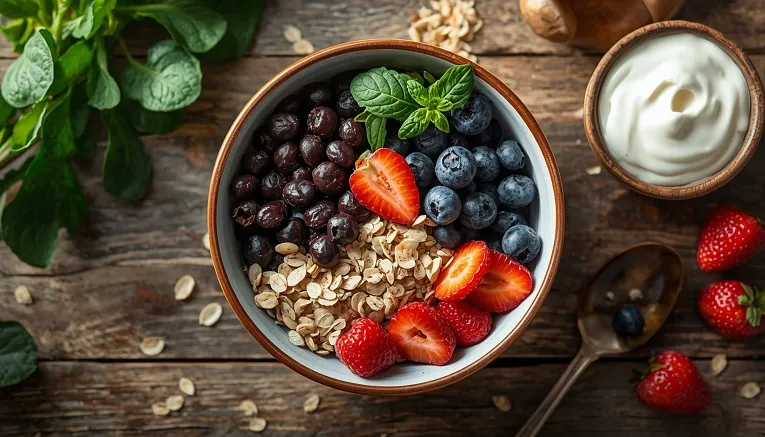
Eat when you feel ready. Eat small, light meals when you feel hungry. Plain foods are often easiest. Good choices include toast, crackers, rice, pasta, bananas, and soup. Do not force yourself to eat.
Keep clean. Wash your hands well after using the toilet and before handling food. Use your own towel and flannel while you are ill.
What not to do
Do not take anti-diarrhoea medicine unless a pharmacist or GP tells you to. It can keep the infection in your body for longer.
Do not drink alcohol or fizzy drinks. They can make dehydration worse and may upset your stomach.
Do not prepare food for other people while you are ill. Wait until at least 48 hours after your symptoms stop.
Do not rely on kitchen remedies. Ginger, lemon, garlic, and apple cider vinegar are often shared online as cures. There is no NHS or Cochrane evidence that they cure food poisoning. Apple cider vinegar can also irritate your stomach. See the section below.
When to call NHS 111 or a GP
Contact your GP or call NHS 111 if you are worried, if your symptoms are getting worse, or if any of the following apply:
- You cannot keep fluids down.
- You have signs of dehydration, such as dark urine, feeling dizzy, or peeing less than usual.
- You still have symptoms after a few days.
- You see blood or mucus in your stools.
- You have a high temperature that does not come down.
- You have severe stomach pain.
- You are pregnant, have a weak immune system, or you are looking after a baby under one year old who is ill.
NHS 111 can tell you where to get help, including out of hours. A pharmacist can also advise on oral rehydration salts and pain relief.
When to go to A&E or call 999
Call 999 or go to A&E if you have any of the following:
- Blood in your vomit, or vomit that looks like ground coffee
- A stiff neck and pain when you look at bright lights
- A sudden, severe headache
- Sudden, severe pain in your stomach
- Difficulty breathing
- You faint or collapse
Do not delay if any of these happen.
Food to eat while you recover
Once the worst has passed, go back to plain, gentle food. Good choices are toast, plain rice, pasta, potatoes, bananas, and clear soup. Plain yoghurt may help later. Avoid fatty, spicy, or heavily flavoured food until your stomach has settled.
After you feel better, a varied diet helps your gut recover. Our guide to the best foods for gut health explains more. If your symptoms keep coming back, read our guide to the signs of a food intolerance, and speak to your GP.
Prevention in the kitchen
Good kitchen habits reduce the risk of food poisoning:
- Wash your hands with soap and water before handling food, and after using the toilet or touching raw meat.
- Wash fruit and vegetables before eating them.
- Keep raw meat away from ready-to-eat food.
- Cook meat and poultry until it is cooked through, and reheat leftovers until they are piping hot.
- Put leftovers in the fridge soon after cooking, and use them within a couple of days.
- Do not eat food past its use-by date.
The truth about ginger, lemon, garlic and apple cider vinegar
Many websites claim that ginger tea, lemon juice, garlic, or apple cider vinegar cure food poisoning. These claims are not verified by the NHS or Cochrane. There is no good evidence that they kill the germs that cause food poisoning or speed up recovery.
Ginger can help some people feel less sick. Lemon and garlic do not disinfect your stomach. Drinking neat apple cider vinegar can irritate your throat and stomach, and may damage tooth enamel. None of these is a substitute for rest, fluids, and medical advice when you need it.
Frequently asked questions
How long does food poisoning last?
Most people feel better within a few days. Contact your GP or NHS 111 if you are still ill after a few days, or if you cannot keep fluids down.
What should I drink when I have food poisoning?
Water is best. Take small sips often. Oral rehydration salts from a pharmacy can help replace lost water and salts.
Should I take anti-diarrhoea medicine?
Not unless a pharmacist or GP tells you to. It can keep the infection in your body for longer.
Can I eat normally while I recover?
Eat small, light meals when you feel hungry. Plain foods such as toast, rice, bananas, and soup are usually easiest. Go back to a varied diet as you feel better.
When should I go to A&E?
Go to A&E or call 999 if you have blood in your vomit, vomit that looks like ground coffee, a stiff neck with pain in bright light, sudden severe headache or stomach pain, difficulty breathing, or you faint.
Sources
If a claim in this article cannot be verified from the NHS, it is left out or marked as not verified. For personal advice, check NHS.uk or speak to your GP.