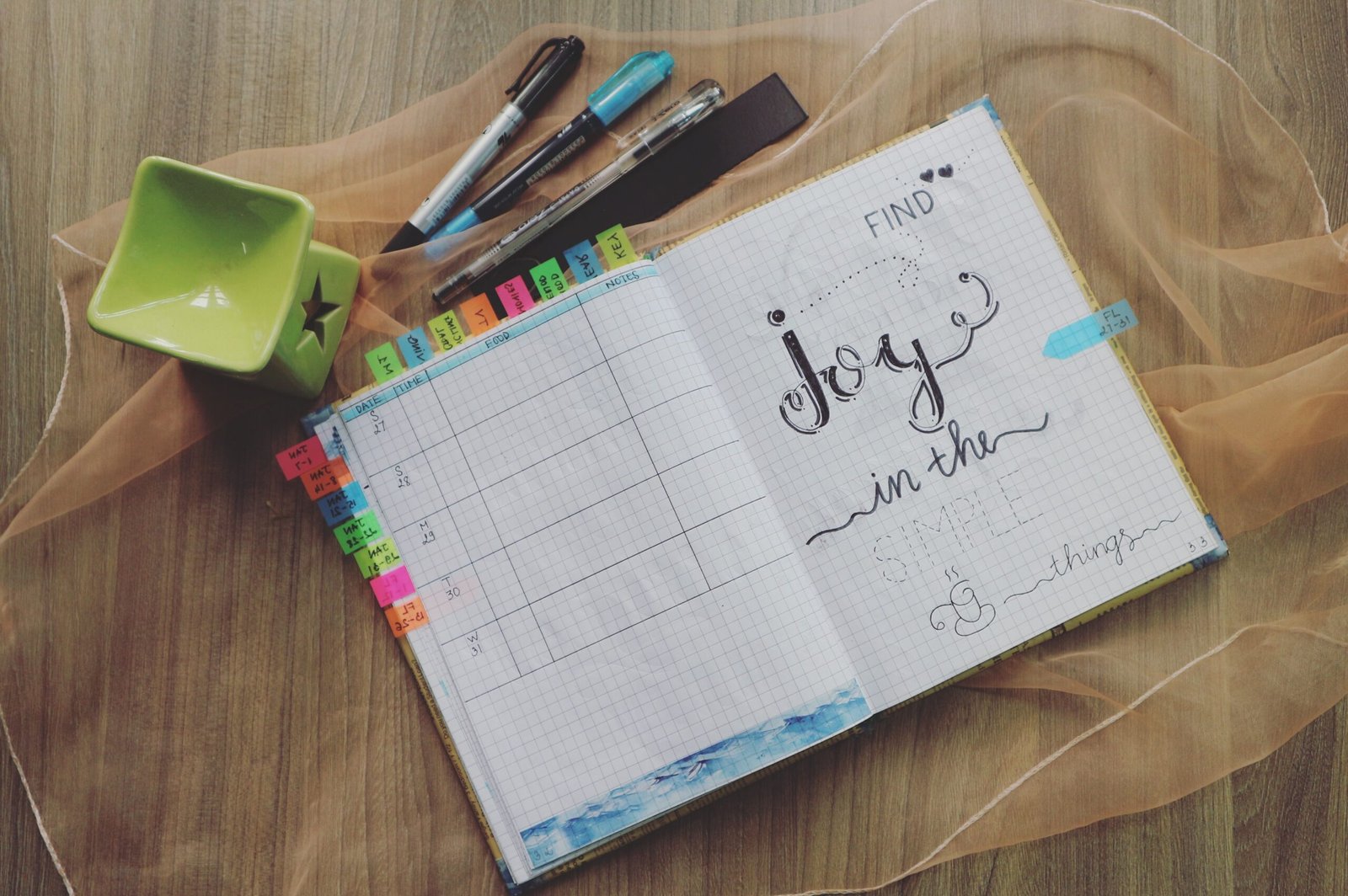

Work-life balance improves through deliberate boundaries, not through finding more hours in the day. Research consistently identifies clear boundaries, defined work hours, limited after-hours communication, and protected personal time, as the strongest predictor of lower stress and higher job satisfaction. A 2023 Harvard Business Review analysis of over 80 studies found that regular short breaks throughout the workday significantly boost task completion, meaning boundaries improve both wellbeing and output rather than trading one for the other.
Why “Perfect Balance” Is the Wrong Goal
The idea of being 100% present at work and 100% present at home simultaneously is close to impossible, and research shows striving for it can actually harm mental health and happiness. Work-life balance is better understood as an ongoing, adjustable process, closer to a tightrope walker’s continuous small corrections than a fixed state you achieve once and maintain forever. This reframing matters because it removes the guilt of occasional imbalance and replaces it with a more sustainable, adaptive approach.
Set Clear Time Boundaries
- Define specific work hours and stick to them: research shows employees who set clear boundaries report higher job satisfaction and lower stress than those who don’t
- Pick a “digital sunset”: a fixed time each evening when work apps and notifications go quiet, ideally supported by a “Do Not Disturb” setting rather than relying on willpower alone
- Avoid answering emails outside work hours: research found people who feel compelled to answer work emails after hours report measurably higher stress and worse health outcomes; notably, 81% of US workers “constantly or often” check messages outside work hours, and stress is highest specifically among that group
- Leave a “breadcrumb” before logging off: noting the first task for tomorrow lets your brain mentally park unfinished work, rather than carrying it into the evening
Create Physical and Environmental Separation
- Designate a specific work zone, even in a small space; a folding screen or a dedicated desk signals to your brain, and to family members, when you’re “on the clock”
- Close the laptop fully at day’s end rather than leaving it open in a shared living space, which keeps work visually and psychologically present
- Physically leave your workspace during breaks, even briefly, rather than remaining at your desk scrolling a phone
This separation matters most for remote and hybrid workers: Pew Research found 64% of people working from home for the first time said it was initially easier to balance work with personal life, but without a commute and a separate office, many later reported longer workdays and difficulty ever fully disconnecting.
Protect Deep Work and Recovery Time
| Strategy | Why It Works |
|---|---|
| Block personal commitments first, work second | Scheduling non-negotiable personal time before work fills the calendar protects it from being crowded out |
| Protect peak cognitive hours for focused work | Guards your most productive hours from meetings and admin, reducing the need to “catch up” after hours |
| Take regular micro-breaks | Standing, stretching, and looking away from screens for a few minutes each hour reduces eye strain and mental fatigue |
| Use time blocking or the Pomodoro technique | Structured work intervals with built-in breaks improve focus without extending total hours worked |
If burnout, rather than simple imbalance, is already setting in, our guide to signs of burnout covers the warning signs worth recognising before boundary-setting alone isn’t enough.
Manage the Psychological Side of Boundaries
- Practise cognitive reframing: research identifies countering guilt about setting boundaries, rather than avoiding boundaries to escape that guilt, as a key strategy for sustainable balance
- Separate your job from your identity: viewing work as something you do, rather than who you are, reduces the tendency to internalise every setback as a reflection of your worth
- Communicate boundaries clearly and directly, rather than hoping they’ll be inferred; telling a manager or colleague your availability explicitly reduces the chance of boundary erosion over time
The Segmenter vs Integrator Distinction
Research on boundary management identifies two broad styles: segmenters, who prefer a hard separation between work and personal life, and integrators, who blend the two more fluidly throughout the day. Neither style is inherently better, but research found segmenters specifically need strong external boundaries (fixed hours, physical separation) to achieve good balance, while integrators may function well with more flexible, blended boundaries. Identifying which style fits you helps target which specific strategies above will be most effective, rather than applying a generic one-size-fits-all boundary system.
Work-Life Balance for Remote and Hybrid Workers
A 2024 daily-diary study of teleworkers found that using at least two simple boundary tactics, such as a firm log-off time and a visual cue to close the “office” area, reported measurably less stress and higher job satisfaction, even when total workload stayed the same. This suggests the boundary itself, not a reduction in work, is what drives the wellbeing benefit for remote workers specifically.
What Leaders and Managers Can Model
Research from ideas42, a behavioural science nonprofit, found many leaders express a desire for better work-life balance for their teams while simultaneously modelling poor boundaries themselves, texting at 9pm, emailing over weekends, rarely taking full vacation. Since balance culture is shaped substantially by visible leadership behaviour, leaders who visibly protect their own boundaries, blocking calendar time for family or exercise, tend to give their teams more genuine permission to do the same.
How Long Does It Take to See Improvement?
Boundary-based interventions in workplace research typically show measurable stress reduction within a few weeks of consistent practice, since the benefit comes from predictability and reduced always-on vigilance rather than a single dramatic change. Sustained improvement, however, particularly in a culture that previously normalised after-hours availability, often takes several months of consistent boundary-holding before it becomes an accepted, unquestioned norm.
What Is the Single Most Effective Work-Life Balance Strategy?
Research consistently points to setting and communicating a clear boundary around work hours, particularly limiting after-hours email and message checking, as the single strategy with the most direct evidence behind it. This single change addresses the specific mechanism, constant availability, most strongly linked in research to elevated stress, poor sleep and reduced wellbeing.
Frequently Asked Questions
Is work-life balance realistic in a demanding career?
Yes, though it requires ongoing adjustment rather than a one-time fix. Research frames balance as ongoing management, not a permanent state, meaning even people in demanding roles can improve their balance through consistent boundary practices, even if perfect equilibrium isn’t realistic.
What’s the difference between work-life balance and work-life integration?
Work-life balance emphasises intentional separation between work and personal time. Work-life integration blends the two more fluidly throughout the day. Neither is universally better; the right approach depends on your role, personality, and whether you’re naturally more of a segmenter or integrator.
How do I set boundaries without seeming uncommitted at work?
Clear, professional communication matters more than the boundary itself. Framing boundaries in terms of sustained performance, “I’m most effective between these hours,” rather than as a limitation, tends to be received better and reflects the genuine research finding that boundaries support, rather than undermine, productivity.
Can poor work-life balance affect physical health?
Yes. Research links blurred work-life boundaries and chronic overwork to higher coronary heart disease risk, sleep deprivation, and impaired cognitive function, since the constant low-level stress of an unclear boundary keeps the body’s stress response chronically activated.
This article is for general information only and is not a substitute for professional advice. If work-related stress is significantly affecting your mental or physical health, please speak to a GP or a workplace mental health professional.
About the Author: Written by the Well Ideas editorial team, dedicated to researching and sharing practical, evidence-informed wellness guidance for a healthier everyday life.