
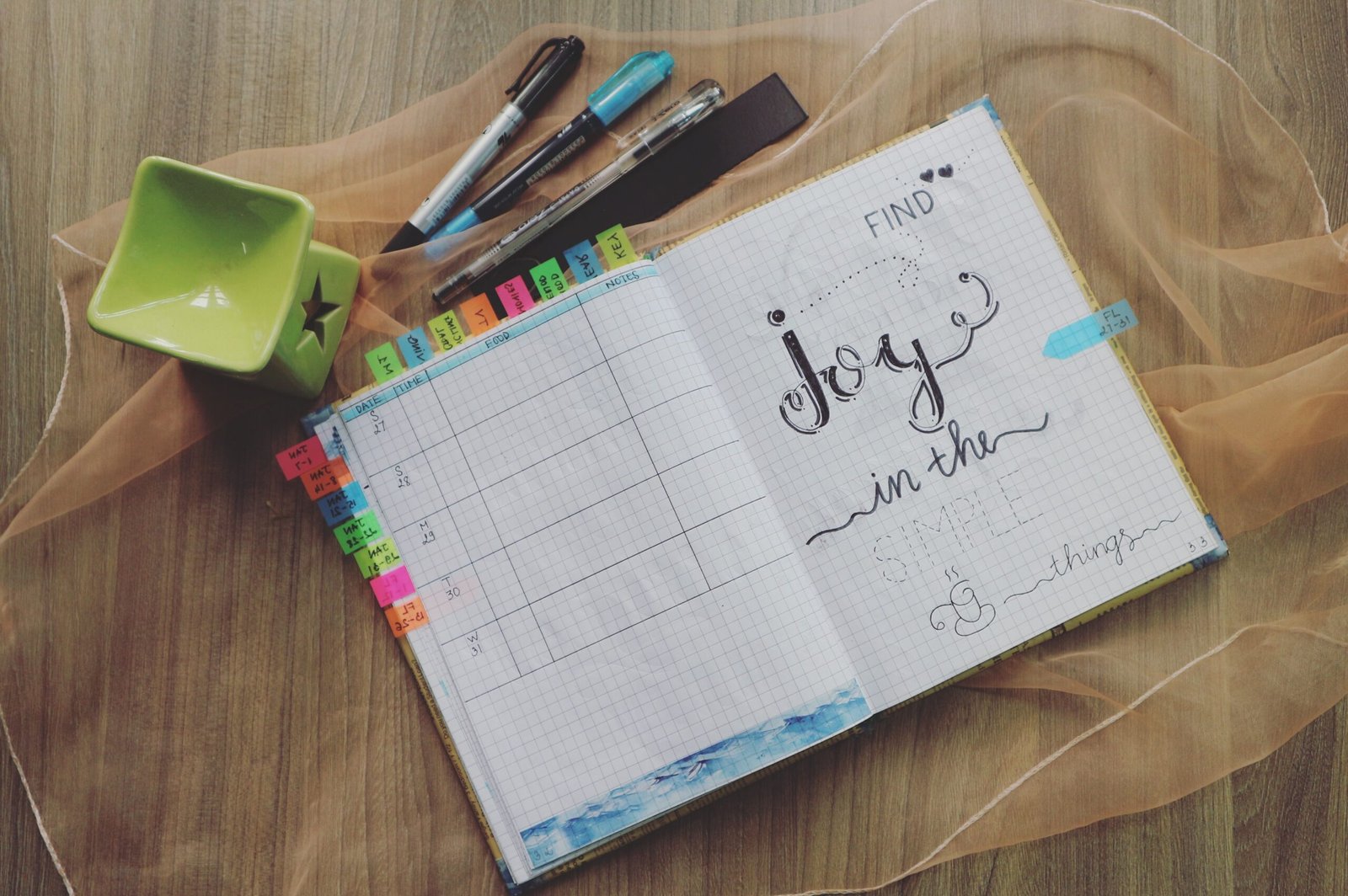
Journaling reduces anxiety, lowers symptoms of depression, improves sleep quality, and strengthens immune function. These benefits come from a documented psychological mechanism: writing about emotional experiences organises chaotic thoughts, reduces rumination, and lowers the physiological stress response. Over three decades of peer-reviewed research support these outcomes, dating back to psychologist James Pennebaker’s foundational studies on expressive writing.
How Journaling Affects the Brain
Journaling activates the prefrontal cortex, the brain region responsible for reasoning and emotional regulation, while reducing activity in the amygdala, the region driving the stress and fear response. This shift explains why putting a difficult emotion into words measurably reduces its intensity, a phenomenon researchers call “affect labelling.” Regular practice strengthens this neural pathway over time, making emotional regulation easier outside of journaling sessions as well.
Mental Health Benefits of Journaling
- Reduced anxiety: clinical studies show journaling can reduce anxiety symptoms by 20 to 45 percent with consistent practice
- Lower depressive symptoms: writing about emotional experiences interrupts rumination, a key driver of depressive thought patterns
- Improved emotional regulation: naming and structuring emotions on paper reduces their intensity and makes them easier to process
- Increased self-awareness: regular writing surfaces patterns in thinking and behaviour that are harder to notice without a written record
- Greater resilience: research shows measurable improvements in coping ability after as little as two months of regular journaling
Our guide to how to stop overthinking covers journaling as one of several practical techniques for interrupting rumination loops.
Physical Health Benefits of Journaling
- Lower blood pressure: reduced stress from regular journaling supports healthier cardiovascular function
- Stronger immune response: Pennebaker’s original research found expressive writing improved immune markers and even vaccine response
- Fewer stress-related doctor visits: multiple studies link consistent journaling with reduced use of medical services for stress-related complaints
- Better sleep quality: a pre-bed gratitude or worry journal clears racing thoughts, helping people fall asleep faster with fewer night-time disruptions
Timeline: When Journaling Benefits Appear
| Timeframe | What Typically Improves |
|---|---|
| 2 to 4 weeks | Mood and day-to-day stress levels |
| 1 to 3 months | Cognitive function, emotional regulation, self-awareness |
| 3+ months | Resilience, immune function, longer-term stress markers |
Types of Journaling and What Each One Does
- Expressive writing: writing freely about a difficult experience for 15 to 30 minutes; best for processing specific emotional events
- Gratitude journaling: recording things you’re grateful for; most effective for mood and sleep, particularly before bed
- Bullet journaling: structured tracking of tasks, moods, and habits; best for building self-awareness over time
- Stream-of-consciousness journaling: writing continuously without editing or structure; useful for clearing mental clutter quickly
- Worry journaling: writing down anxious thoughts at a set time each day; effective for containing anxiety to a specific window rather than letting it intrude throughout the day
How to Start a Journaling Practice
- Start small: five to ten minutes daily produces measurable benefits; length matters less than consistency
- Pick a fixed time: morning journaling tends to suit planning and intention-setting, evening journaling suits processing the day and winding down
- Write without editing: correcting grammar or structure while journaling interrupts the emotional processing benefit
- Use prompts when stuck: “What’s on my mind right now?” or “What am I avoiding thinking about?” remove the pressure of a blank page
- Keep it private: knowing the writing won’t be read by others increases honesty and, in turn, its therapeutic value
Does Journaling Work as Well as Therapy?
No, journaling is not a substitute for therapy, particularly for clinical depression, trauma, or severe anxiety. It functions as a complementary tool: many therapists actively recommend journaling between sessions to help clients process insights and track progress. For mild to moderate stress and everyday emotional regulation, journaling alone produces measurable benefits without professional support.
What Are the Immediate Benefits of Journaling?
The immediate benefits of journaling are reduced emotional intensity and mental clarity, both of which occur within a single writing session. Naming and structuring a difficult emotion on paper measurably reduces its grip in the moment, even before any longer-term benefits like improved mood or resilience develop over subsequent weeks.
Frequently Asked Questions
Is journaling helpful for depression?
Yes, as a complementary tool. Studies show journaling can reduce depressive symptoms by interrupting rumination and building emotional awareness, though it works best alongside, not instead of, professional treatment for clinical depression.
How long should I journal each day?
Ten to twenty minutes is sufficient to gain measurable benefits. Pennebaker’s original research used sessions of 15 to 30 minutes, four times over a month, and still found significant improvements in both mental and physical health.
What should I do if journaling brings up upsetting emotions?
This is a normal part of the process. Research shows the initial discomfort of writing about difficult experiences is typically outweighed by the longer-term benefit: most participants in expressive writing studies report the process as valuable, despite short-term emotional discomfort. If the distress feels overwhelming or unmanageable, pause and speak to a mental health professional.
Can journaling help with sleep?
Yes. A pre-bed journaling session, particularly a gratitude or worry journal, clears racing thoughts that otherwise delay sleep onset. Research shows this practice reduces the time it takes to fall asleep and lowers night-time disruptions.
This article is for general information only and is not a substitute for professional mental health advice. If you are experiencing persistent anxiety or depression, please speak to a GP or qualified therapist.
About the Author: Written by the Well Ideas editorial team, dedicated to researching and sharing practical, evidence-informed wellness guidance for a healthier everyday life.