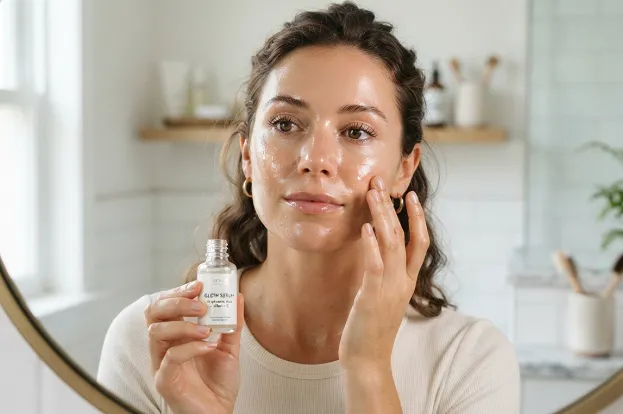
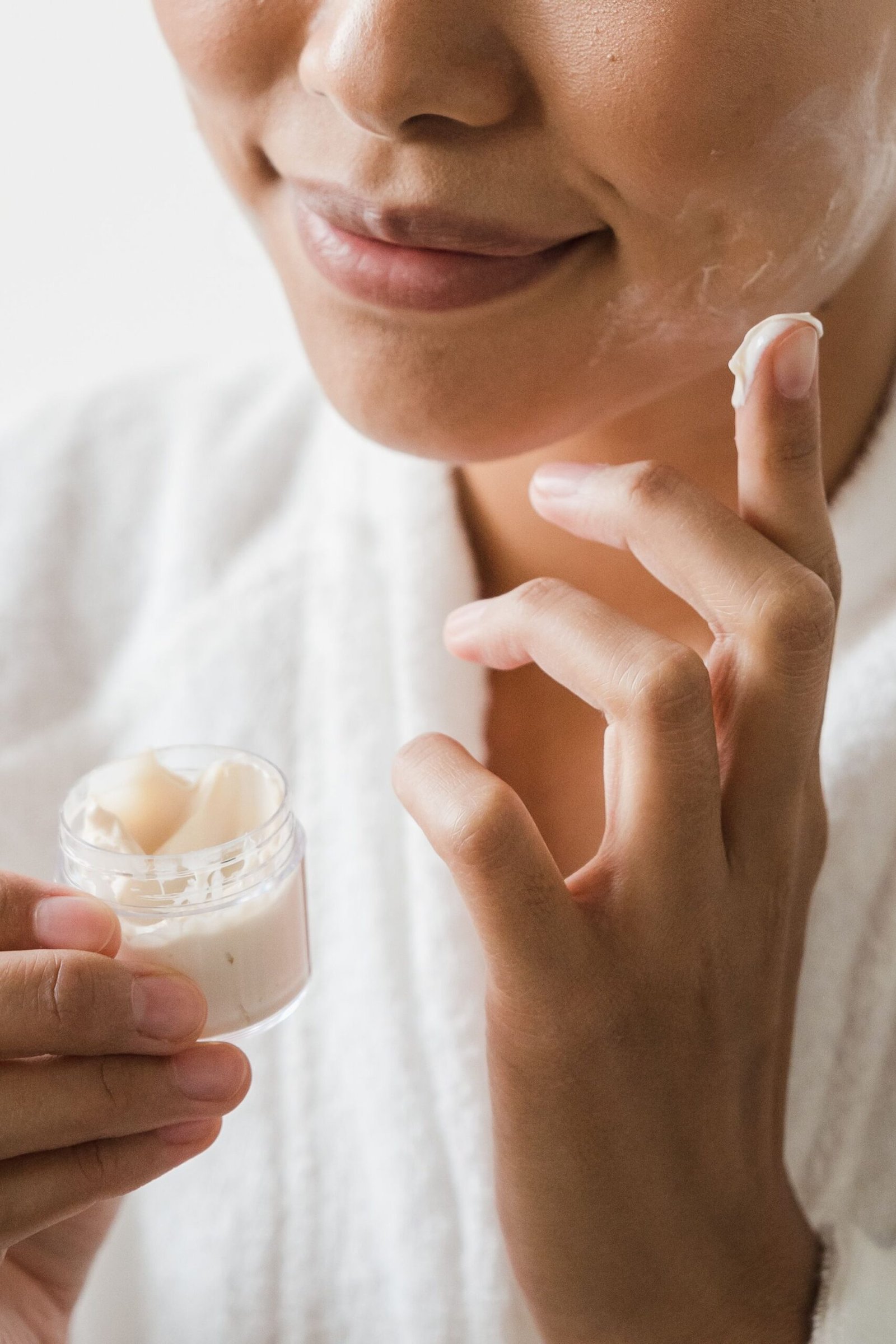
Signs of skin barrier damage include persistent tightness that doesn’t ease after moisturising, stinging or burning from products that previously felt fine, ongoing dryness and flaking, heightened sensitivity to temperature and touch, and unexpected breakouts. Dermatologists consider stinging from a previously well-tolerated product one of the single most diagnostic signs, since it indicates irritants are penetrating a barrier that should normally block them.
What Is the Skin Barrier?
The skin barrier, known clinically as the stratum corneum, is the outermost layer of the epidermis. Dermatologists often describe it using a brick-and-mortar model: skin cells (corneocytes) act as bricks, while lipids, ceramides, cholesterol and fatty acids act as the mortar holding them together. This structure performs two essential jobs simultaneously: retaining water inside the skin and blocking irritants, allergens, pollutants and microbes from entering. When the mortar breaks down, both functions fail at once, allowing moisture to escape while irritants get in more easily.
7 Signs of a Damaged Skin Barrier
1. Persistent Tightness After Cleansing
Tightness that doesn’t resolve after moisturising, and returns quickly afterward, signals the barrier can no longer hold hydration effectively. This differs from the brief, mild tightness some people feel immediately after cleansing that a normal moisturiser resolves within minutes.
2. Stinging or Burning From Familiar Products
If a moisturiser, serum or sunscreen that previously caused no reaction suddenly stings or burns, the barrier is very likely compromised. A healthy barrier shields nerve endings from topical ingredients; a damaged one exposes them directly, which is why this sign is considered one of the clearest, most reliable indicators among dermatologists.
3. Dryness That Doesn’t Respond to Moisturiser
Applying more product without improvement is a hallmark of barrier-related dryness, distinct from ordinary dehydration. The barrier’s structural lipids, not the moisturiser’s hydration alone, determine whether water applied to the skin actually stays there.
4. Visible Flaking or Peeling
Flaking that appears in patches, often concentrated around the nose, cheeks or forehead, indicates cell cohesion has failed at a structural level. Unlike simple dryness, this type of flaking persists despite aggressive moisturising, since the underlying problem is mechanical, not just a lack of hydration.
5. Increased Sensitivity to Temperature and Touch
Skin that reacts more than usual to hot or cold water, wind, fabric contact, or even light touch suggests nerve endings are more exposed than they should be, a direct consequence of a thinned or disrupted barrier.
6. Redness and Visible Irritation
A weakened barrier allows environmental stressors, cold weather, pollution, harsh ingredients, to penetrate more easily, triggering an inflammatory response that shows up as redness and general discomfort.
7. Unexpected Breakouts
Barrier dysfunction can disrupt the skin’s natural balance in ways that trigger breakouts, even in people who don’t otherwise experience acne. This occurs regardless of oil production levels, since the underlying driver is inflammation and compromised protection, not excess sebum alone.
What Causes Skin Barrier Damage?
| Cause | Mechanism |
|---|---|
| Over-exfoliation | Strips protective lipids faster than the skin can replace them |
| Harsh cleansers | Strong surfactants and high alcohol content disrupt the skin’s natural pH and lipid balance |
| Hot water | Removes natural oils more aggressively than lukewarm water |
| Active ingredient overload | Layering multiple retinoids, acids and benzoyl peroxide simultaneously overwhelms the barrier’s capacity to adapt |
| Environmental stressors | Cold weather, low humidity, wind and sun exposure all deplete barrier lipids |
| Underlying skin conditions | Eczema, rosacea, and seborrheic dermatitis are both a cause and a consequence of barrier dysfunction |
| Ageing | Skin naturally thins and produces fewer barrier lipids over time |
How to Repair a Damaged Skin Barrier
- Simplify your routine immediately: pause exfoliating acids, retinoids, strongly fragranced products, and physical scrubs for at least two to three weeks to give the barrier room to reset
- Switch to a gentle, fragrance-free cleanser: a mild, low-pH, sulfate-free formula cleans without stripping essential lipids
- Use lukewarm, not hot, water: hot water accelerates moisture loss and worsens irritation
- Choose ceramide and fatty-acid-rich moisturisers: these directly replenish the “mortar” component of the barrier rather than just sitting on the surface
- Add humectants like hyaluronic acid: these draw water into the stratum corneum and reduce transepidermal water loss (TEWL)
- Apply an occlusive layer when needed: ingredients like dimethicone or petrolatum create a protective seal that slows water loss while the barrier heals
- Wear SPF daily: unprotected UV exposure continues to damage a barrier that’s already compromised
Niacinamide is one of the most consistently barrier-supportive active ingredients precisely because it boosts ceramide production directly. Our guide to the benefits of niacinamide for skin covers how it works at the ingredient level, and it’s one of the few actives generally safe to continue during barrier repair.
What to Avoid While Repairing Your Barrier
- Exfoliating acids (AHAs, BHAs) and physical scrubs
- Retinoids and strong vitamin C formulations
- Fragranced products, including “natural” essential oil-based formulas
- Introducing several new products at once, which makes it harder to identify what’s helping or hindering recovery
- Hot showers and prolonged hot water exposure on the face
How Long Does Skin Barrier Repair Take?
| Severity | Typical Recovery Time |
|---|---|
| Mild damage | 2-4 weeks with consistent gentle care |
| Moderate damage | 4-6 weeks |
| Severe or chronic damage | Several months, often requiring professional guidance |
Recovery is rarely instant. Consistency with a simplified, gentle routine matters more than product intensity, and reintroducing actives too early is one of the most common reasons repair stalls or damage recurs.
Combination Skin and Barrier Damage
Barrier damage can affect combination skin differently across zones, often worsening dryness on the cheeks while the T-zone remains oily or even becomes more reactive. If you’re managing both barrier repair and zone-specific concerns, our guide to a skin care routine for combination skin covers how to approach differing needs across the face without overcomplicating the routine.
When to See a Dermatologist
See a dermatologist if symptoms are severe, widespread, painful, oozing, or show signs of infection, or if barrier damage doesn’t improve within four to six weeks of consistent gentle care. Persistent or recurring damage can also signal an underlying condition, such as eczema, rosacea, or contact dermatitis, that needs targeted treatment rather than skincare adjustments alone.
Frequently Asked Questions
Can a damaged skin barrier heal completely?
Yes, in most cases. With consistent gentle care and avoidance of triggers, even significantly compromised barriers typically recover full function, though severe or chronic damage takes longer and may benefit from professional guidance.
Is it normal for skin to purge or worsen before it improves?
Some initial adjustment is common when switching to a simplified routine, but genuine barrier repair should show gradual improvement, not worsening. If symptoms intensify significantly after simplifying your routine, a product in the new routine, rather than the repair process itself, may be the cause.
Can oily skin have a damaged barrier too?
Yes. Barrier damage can occur regardless of oil production. In fact, unexpected breakouts in typically oily or acne-prone skin can themselves be a sign of barrier dysfunction, since the disruption itself, not excess oil, drives the irritation.
Should I stop all skincare products during barrier repair?
Not entirely. The goal is simplification, not elimination: a gentle cleanser, a barrier-supportive moisturiser with ceramides, and daily SPF typically remain in the routine, while actives, exfoliants and fragranced products are paused until the barrier recovers.
This article is for general information only and is not a substitute for professional dermatological advice. If symptoms are severe, persistent, or you notice signs of infection, please consult a dermatologist.
About the Author: Written by the Well Ideas editorial team, dedicated to researching and sharing practical, evidence-informed wellness guidance for a healthier everyday life.