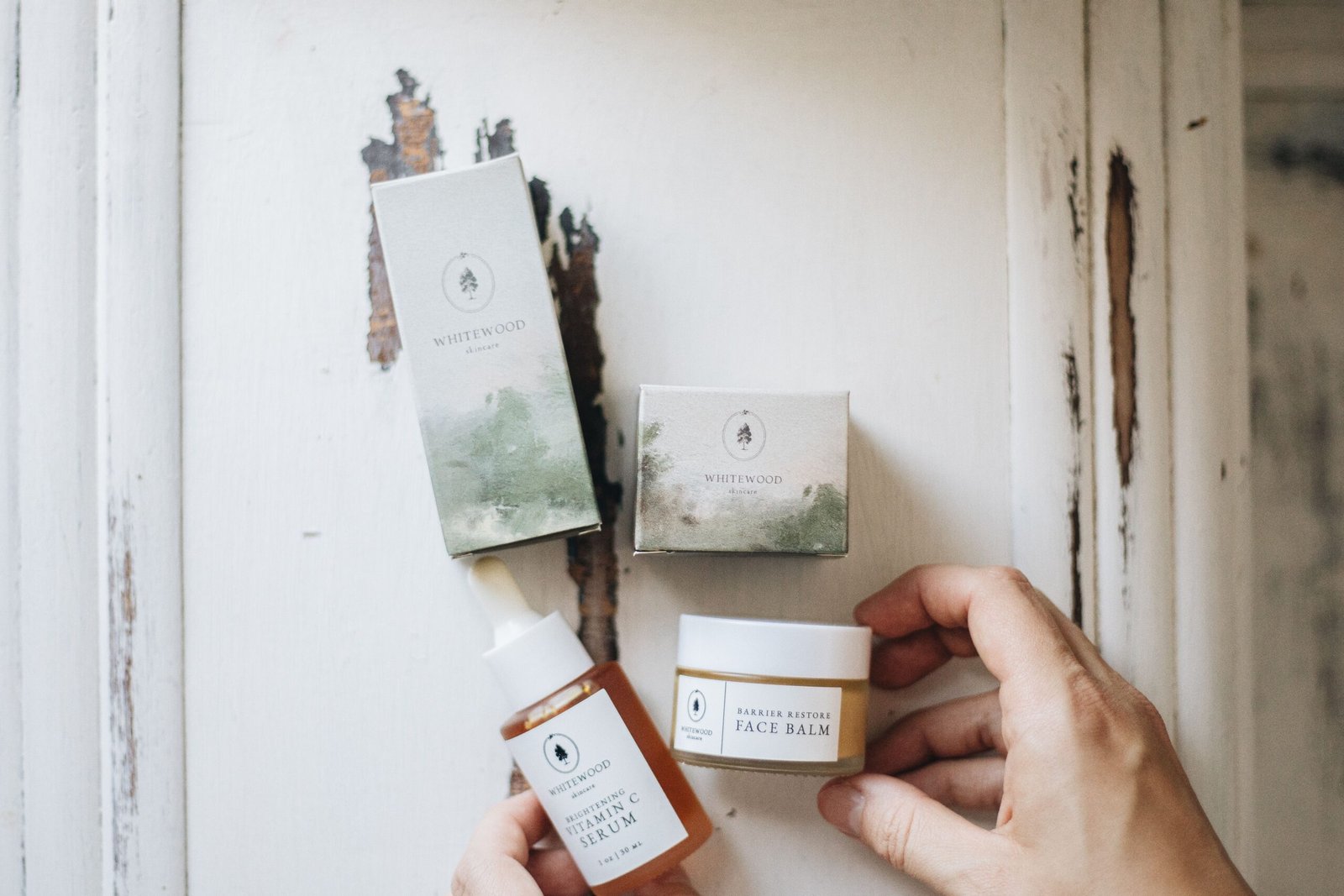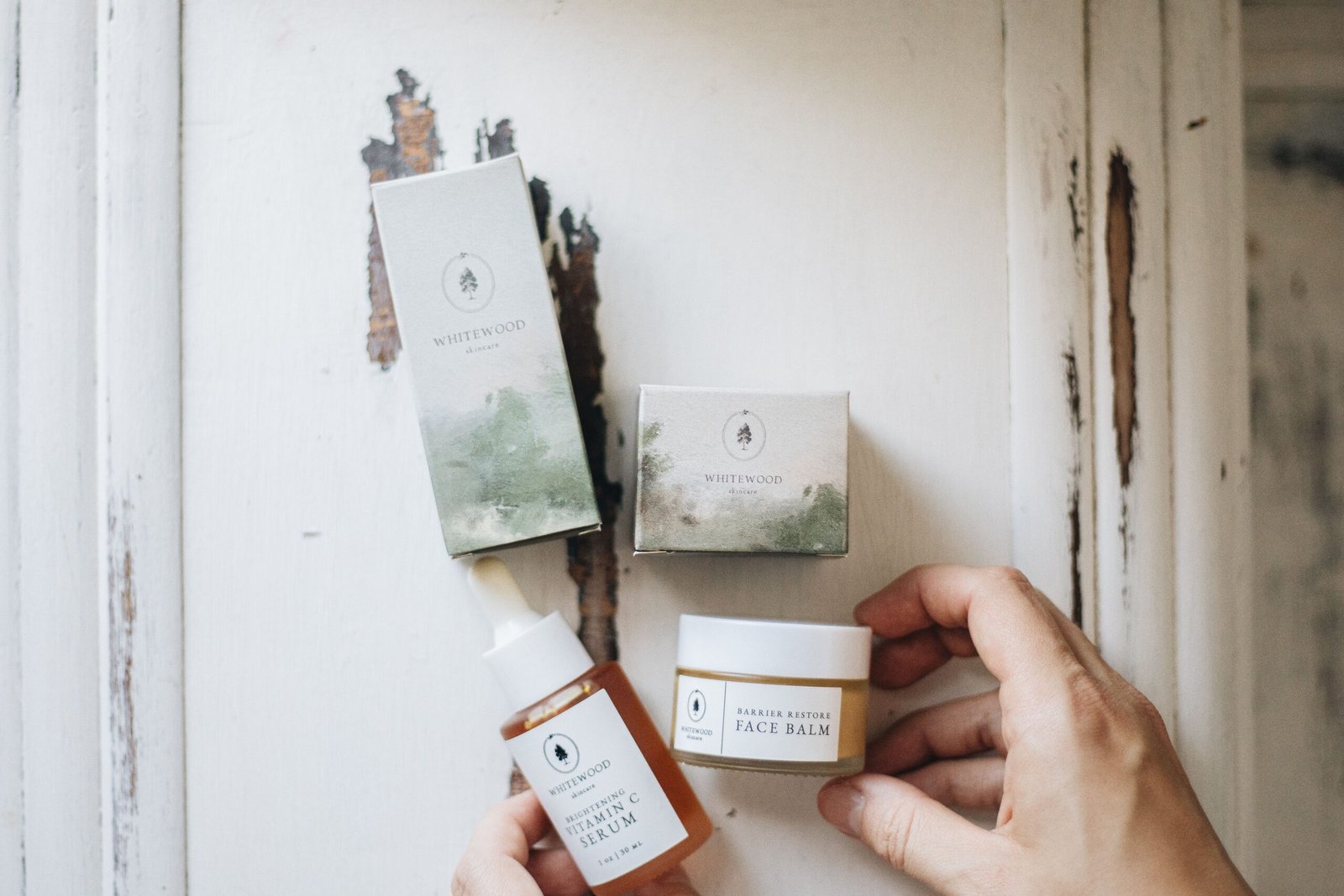

Combination skin has an oily T-zone (forehead, nose and chin) paired with normal-to-dry cheeks. A skin care routine for combination skin treats these two zones differently instead of applying one blanket product across the whole face. The core structure is cleanser, toner, targeted serum, zone-specific moisturiser and daily SPF, built around three anchor ingredients: niacinamide, hyaluronic acid and salicylic acid.
What Is Combination Skin?
Combination skin describes a face with two or more skin behaviours at once. The T-zone produces excess sebum, leading to shine, enlarged pores and occasional breakouts, while the cheeks and jawline behave like normal or dry skin, often feeling tight after cleansing. Genetics largely determine this pattern, and it tends to stay consistent throughout life, though hormones, climate and product choices can shift the balance in either direction.
Signs You Have Combination Skin
- Shine or visible oil across the forehead, nose and chin by midday
- Enlarged pores concentrated in the T-zone
- Occasional blackheads or breakouts limited to the centre of the face
- Cheeks that feel tight, flaky or dull after cleansing
- Makeup that fades faster on the T-zone than elsewhere
The 5-Step Combination Skin Routine
1. Cleanse
Use a gentle, pH-balanced gel or foaming cleanser that removes oil without stripping the skin barrier. Ceramides in a cleanser help protect the barrier while the surfactants lift away sebum and impurities. Cleanse twice daily; a morning rinse with lukewarm water is often enough for the cheeks, while the T-zone benefits from a full cleanse both morning and night.
2. Tone
An alcohol-free toner rebalances the skin’s pH after cleansing and preps it to absorb the following products more effectively. Centella asiatica and hyaluronic acid are common toner ingredients that hydrate without adding oil.
3. Treat with Serum
This is the step where combination skin routines diverge most from single-skin-type routines. A salicylic acid serum or spot treatment on the T-zone controls oil and keeps pores clear, while a hyaluronic acid or niacinamide serum applied more broadly hydrates the drier cheek areas without adding shine.
4. Moisturise by Zone
Apply a lightweight, oil-free, non-comedogenic gel moisturiser to the T-zone and a richer, ceramide-based cream to the cheeks. This zone-specific approach, sometimes called skin zoning, is the single most effective technique for managing combination skin long-term.
5. Apply SPF
A broad-spectrum SPF 30 or higher protects against UV damage, which accelerates both oil production and moisture loss. Mineral, oil-free sunscreens with a matte finish work best on the T-zone, while more hydrating formulas suit the cheeks.
Key Ingredients for Combination Skin
| Ingredient | Function | Best Applied To |
|---|---|---|
| Niacinamide | Regulates oil, strengthens barrier, calms redness | Whole face |
| Hyaluronic acid | Draws moisture into skin without adding oil | Whole face, extra on cheeks |
| Salicylic acid (BHA) | Exfoliates inside pores, controls oil and breakouts | T-zone |
| Ceramides | Repairs and maintains the skin barrier | Whole face, extra on cheeks |
| Vitamin C | Antioxidant protection, brightens tone | Whole face, morning |
Weekly Extras: Exfoliation and Masking
- Exfoliate once or twice a week with a gentle chemical exfoliant (BHA for the T-zone, a mild AHA for the cheeks) rather than a physical scrub or loofah, which our guide to loofah sponge covers in more detail, including how to keep one clean enough for regular use, which can aggravate both oily and dry areas
- Use a clay or charcoal mask on the T-zone to absorb excess oil
- Use a hydrating mask with ceramides or hyaluronic acid on the cheeks in the same session, applying each mask only where it’s needed
Morning vs Evening Routine
| Morning | Evening |
|---|---|
| Gentle cleanse or water rinse | Full cleanse to remove makeup, sunscreen and oil buildup |
| Antioxidant serum (vitamin C) | Treatment serum (salicylic acid or retinoid, if used) |
| Zone-specific moisturiser | Zone-specific moisturiser or facial oil on dry areas |
| SPF 30+ | No SPF needed |
Common Mistakes That Make Combination Skin Worse
- Using the same rich moisturiser across the entire face, which overloads the T-zone and triggers more oil production
- Over-cleansing or using harsh, foaming cleansers with sulfates, which strip the barrier and cause the skin to overcompensate with more oil
- Skipping moisturiser on oily areas, based on the misconception that oily skin doesn’t need hydration
- Physical scrubs used on both zones, which irritate dry cheeks while barely addressing T-zone congestion
Combination Skin vs Other Skin Types
| Skin Type | Key Trait | Routine Focus |
|---|---|---|
| Combination | Oily T-zone, dry/normal cheeks | Zone-specific products |
| Oily | Excess sebum across the whole face | Oil control, lightweight formulas throughout |
| Dry | Tightness and flaking across the whole face | Rich, barrier-repairing formulas throughout |
| Sensitive | Reactivity, redness, irritation | Fragrance-free, minimal-ingredient formulas |
If your skin leans more consistently oily rather than split by zone, our guide to the best skincare routine for glowing skin covers a broader routine framework that applies across skin types. For sensitive, reactive skin specifically, niacinamide remains one of the gentlest actives to introduce; our guide to the benefits of niacinamide for skin explains how it works at the ingredient level.
How Long Does It Take to Balance Combination Skin?
Most people notice reduced shine and fewer T-zone breakouts within two to four weeks of consistent zone-specific care. Full barrier repair on the cheeks, particularly if dryness has been long-standing, typically takes six to eight weeks of consistent ceramide and hyaluronic acid use.
Frequently Asked Questions
Can combination skin change over time?
Yes. Hormonal shifts, ageing, climate and product use can all change how oily or dry different areas of the face become. Skin should be reassessed seasonally, since a routine that worked in summer may need adjusting for winter.
Should I use two different moisturisers?
Using a lightweight, oil-free moisturiser on the T-zone and a richer, ceramide-based moisturiser on the cheeks is the most effective approach for combination skin, rather than compromising with a single medium-weight formula across the whole face.
Is combination skin the same as sensitive skin?
No. Combination skin refers to varying oil levels across the face. Sensitive skin refers to reactivity and irritation, which can occur alongside any skin type, including combination skin.
Do I need a separate toner if I already use a serum?
Toner is not strictly required, but it helps rebalance pH after cleansing and preps the skin to absorb serum more effectively, particularly for combination skin where pH can vary across zones.
This article is for general information only and is not a substitute for professional dermatological advice. If you have persistent breakouts, irritation or a skin condition, please consult a dermatologist.
About the Author: Written by the Well Ideas editorial team, dedicated to researching and sharing practical, evidence-informed wellness guidance for a healthier everyday life.