What is prickly pear seed oil?
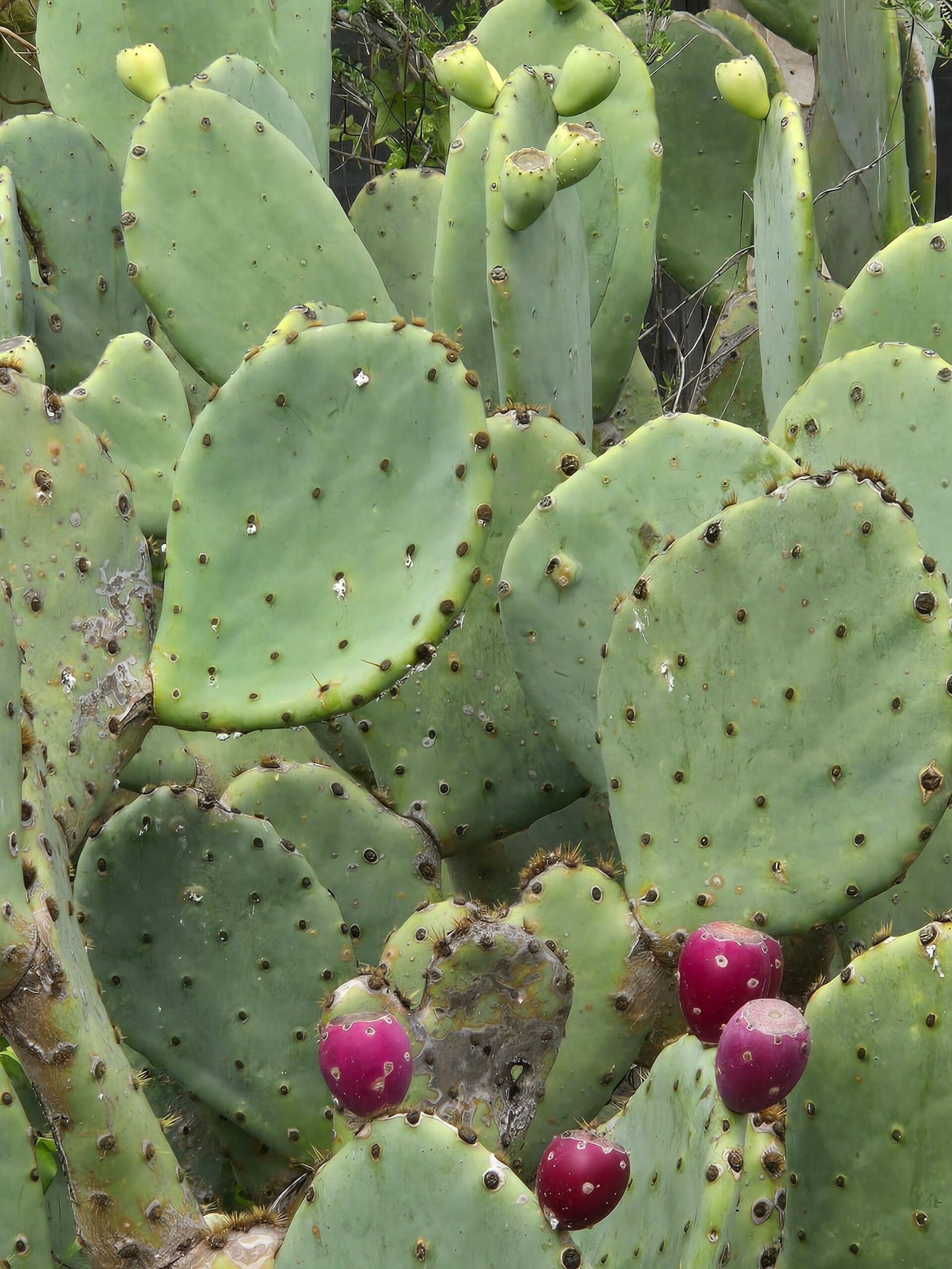
Prickly pear seed oil is a light oil pressed from the seeds of the prickly pear cactus, also called Opuntia ficus indica, barbary fig, or cactus pear. It is sold as a skin and hair oil. It is popular in Morocco, where the cactus grows widely.
Many of the claims made about this oil come from sellers, not from the NHS or Cochrane. There is no strong evidence that it treats acne, eczema, wrinkles, or dark spots. This guide keeps the 13 traditional uses people describe, and it marks the claims that are not verified.
What it is — and what it is not
| What it is | What it is not |
|---|---|
| A light plant oil used on skin, nails, and hair | Not a medicine or a treatment for skin conditions |
| Pressed from the seeds of the prickly pear cactus fruit | Not a proven cure for acne, eczema, or dark spots |
| A moisturiser some people find light and fast to absorb | Not a proven anti-ageing treatment |
| A traditional beauty oil from Morocco | Not a substitute for GP or dermatologist advice |
What it contains
Sellers say the oil is rich in unsaturated fatty acids. They often quote about 60% linoleic acid, about 24% oleic acid, about 13% palmitic acid, and about 3% stearic acid. These are seller figures. They are not NHS or Cochrane figures.
Sellers also say it contains vitamin E, which protects skin, as well as betalains, the pigments that give beetroot its red colour. Some sellers claim it has far more vitamin E than argan oil and the highest levels of betalains of any known plant. These claims are not verified by the NHS or Cochrane.
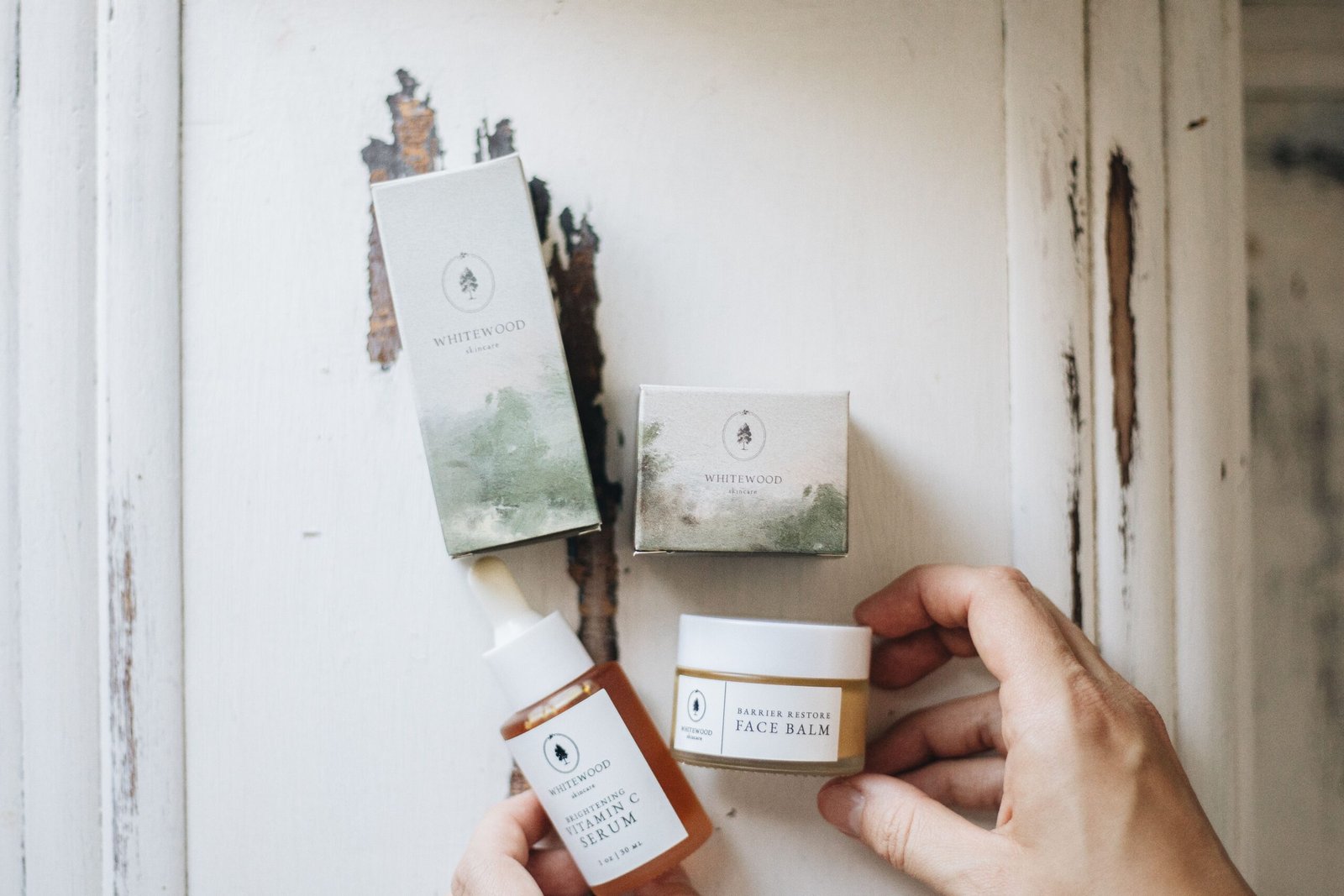
Sellers say the oil is rare and costly because each seed holds only a small amount of oil, and a large amount of fruit is needed to make one litre. These figures are not verified either. The oil is sold in small bottles, often with a dropper, and it is usually costly for its size.
13 ways people use prickly pear seed oil
The uses below are the traditional ways people describe for this oil. They are not proven treatments. Patch test first, and see a GP or dermatologist for a skin condition that needs treatment.
- Deep moisture. People say it is a light oil that sinks in fast and leaves skin soft. It is said to suit most skin types and to feel less greasy than heavier oils.
- Acne-prone skin. Some people use it on acne-prone skin and say it helps to keep pores clear and balance oil. It is not a proven acne treatment. See a GP or pharmacist for acne that does not settle.
- Dry skin. People apply a few drops after cleansing to lock in moisture, especially on dry patches. Vitamin E and linoleic acid are said to help the skin hold moisture.
- Ageing skin. It is sold as an anti-ageing oil. Vitamin E is an antioxidant, but no cosmetic oil has been shown to reverse wrinkles or ageing.
- Dark circles and spots. Some people dab it under the eyes or on dark spots and say it brightens the skin. This is not proven. Protect your skin from the sun, and see a GP about a new or changing spot.
- Brighter skin. People say it gives the skin a brighter, healthier look. This is a cosmetic claim, not a proven effect.
- Scars. Massaging oil into old scars is said to soften their look. It does not remove scars. See a GP or dermatologist for scars that concern you.
- Stretch marks. People massage it into the skin and say it helps stretch marks fade. This is not proven. If you are pregnant, check with your GP or midwife before using new skin products.
- Nails and cuticles. Rub a drop into your nails and cuticles to soften them and add shine.
- After sun exposure. Some people use it after being in the sun. It does not treat sunburn. Cool the skin with water, drink fluids, and seek medical advice for severe sunburn.
- Irritated skin. Some people use it on irritated or eczema-prone skin. It does not treat eczema. Follow your GP or dermatologist’s advice for eczema.
- Lips. Dab a drop onto dry lips as a light moisturiser. Stop if your lips feel sore.
- Hair and scalp. People add a few drops to their hair or rub a little into a dry scalp and say it adds shine. It is not a proven treatment for dandruff or hair loss. See a GP or pharmacist for a scalp problem that does not settle.
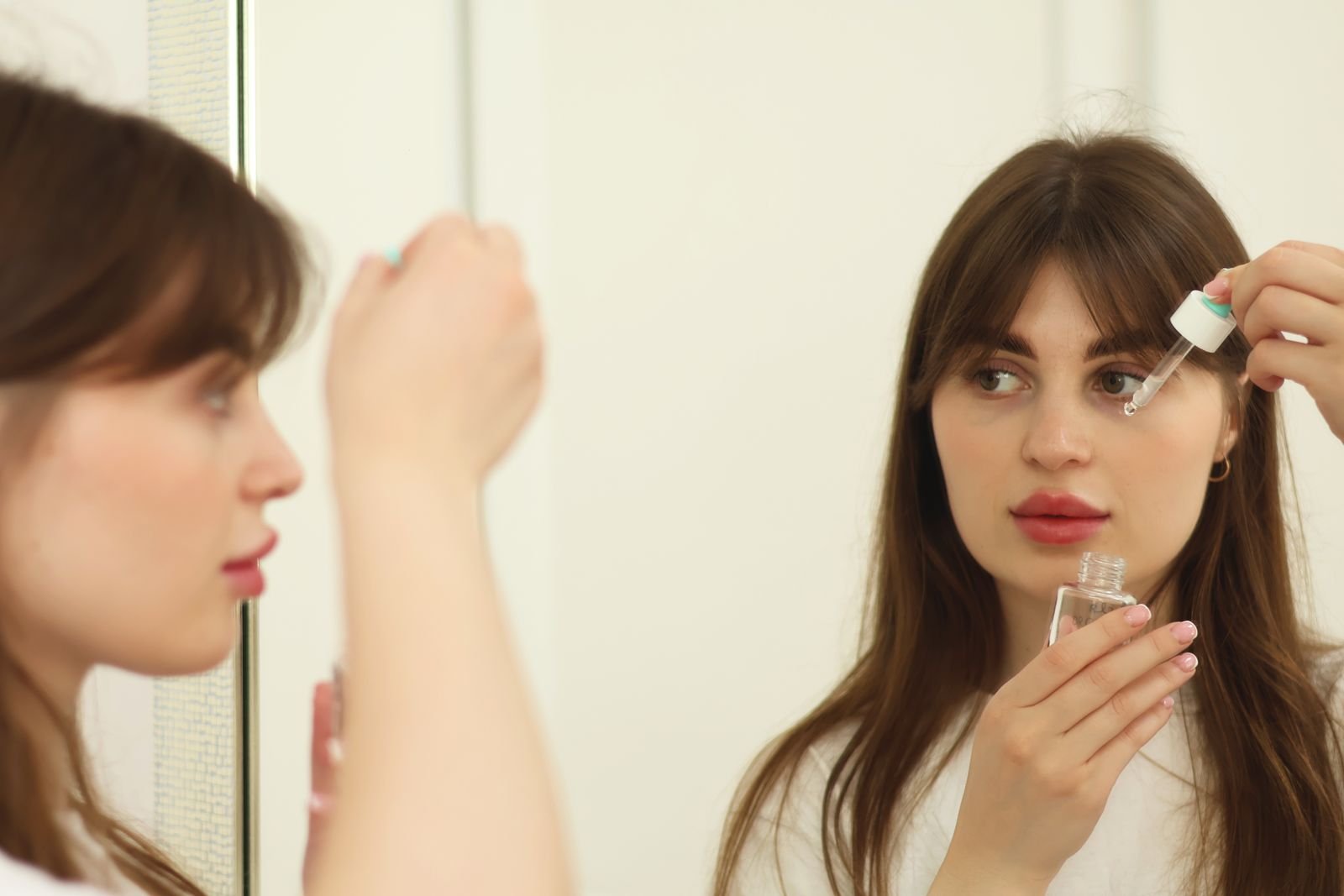
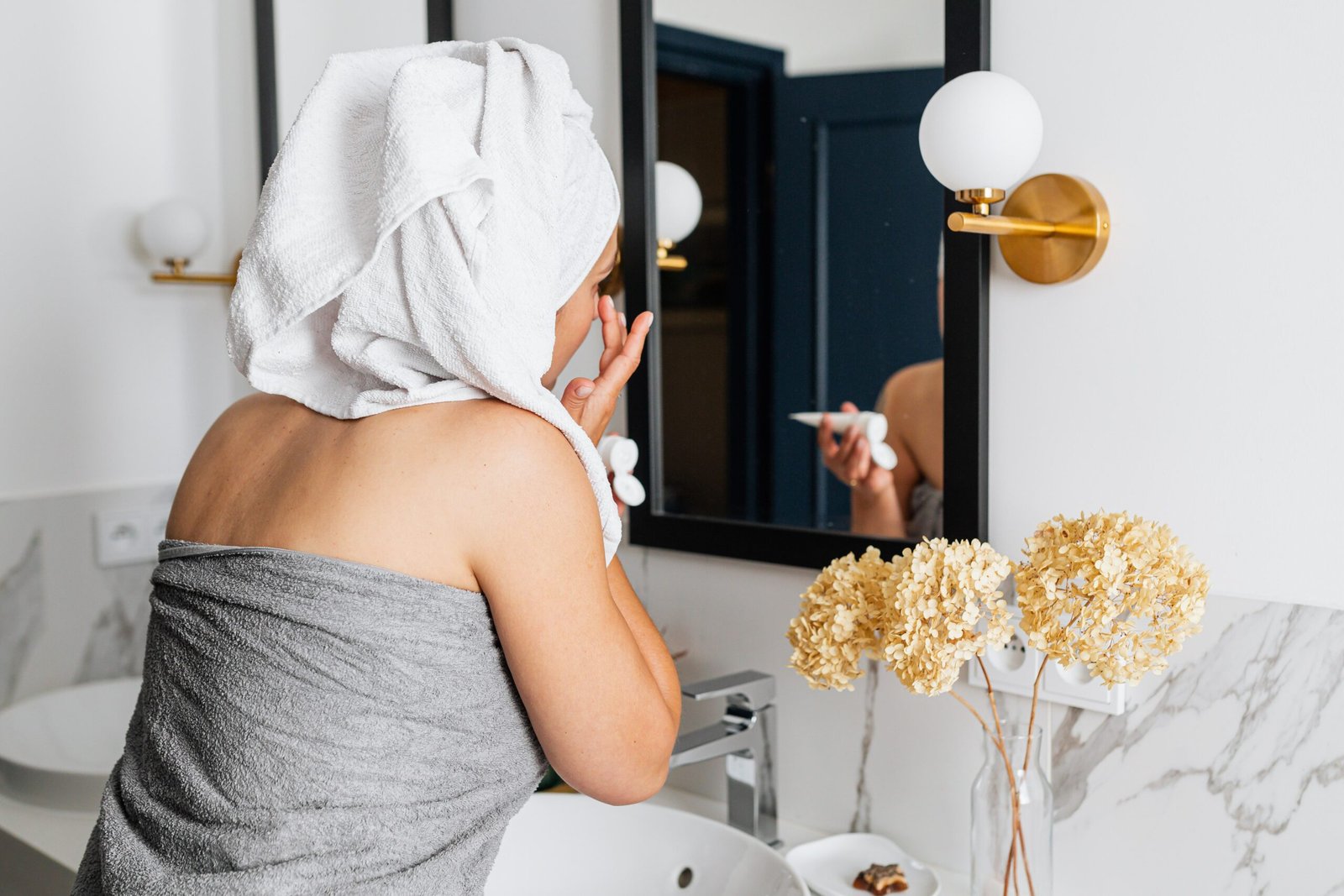
A small amount goes a long way. Warm two to three drops between your hands, then press them onto clean skin. Use it on its own or over your usual moisturiser. Our guide to the best skincare routine for glowing skin shows how to build a simple routine. Our guide to the benefits of face yoga has gentle facial exercises you may like.
Safety and patch testing
Cosmetic oils can still cause a reaction. Before using prickly pear seed oil, patch test it. Put a small amount on the inside of your forearm. Wait 24 hours. Do not use it on your face if the area becomes red, itchy, or swollen.
Avoid broken skin and keep it out of your eyes. Do not use it if you are allergic to it. The NHS advises seeing a GP if you think you or your child may have an allergy. Read more in the NHS allergies guidance.
Stop using it at once and get urgent help if your lips, mouth, or throat swell, if you struggle to breathe or swallow, or if your skin turns blue, grey, or pale. These can be signs of a serious allergic reaction. Call 999.
Frequently asked questions
Is prickly pear seed oil good for your skin?
Some people find it a pleasant, light moisturiser. Its benefits are mainly cosmetic claims from sellers. There is no strong evidence that it treats skin conditions.
Does it help acne?
It is not a proven acne treatment. Some people use it on acne-prone skin, but it is not a substitute for acne treatment from a GP or pharmacist.
Does it help wrinkles or dark spots?
There is no good evidence that it removes wrinkles or dark spots. Protect your skin from the sun and see a GP about a new or changing spot.
Is it safe to use every day?
Most people use it daily on skin, nails, and hair. Patch test first. Stop if your skin becomes red, itchy, or sore.
Why is it so expensive?
Sellers say a large amount of fruit is needed to make a small amount of oil. This makes it costly. The price does not mean it works better than other oils.
Can I use it if I have eczema?
It does not treat eczema. Some people use it on eczema-prone skin, but follow your GP or dermatologist’s advice for eczema.
Sources
The benefits in this article are claims made by sellers. They are not verified by the NHS or Cochrane. For personal advice, check NHS.uk or speak to your GP.