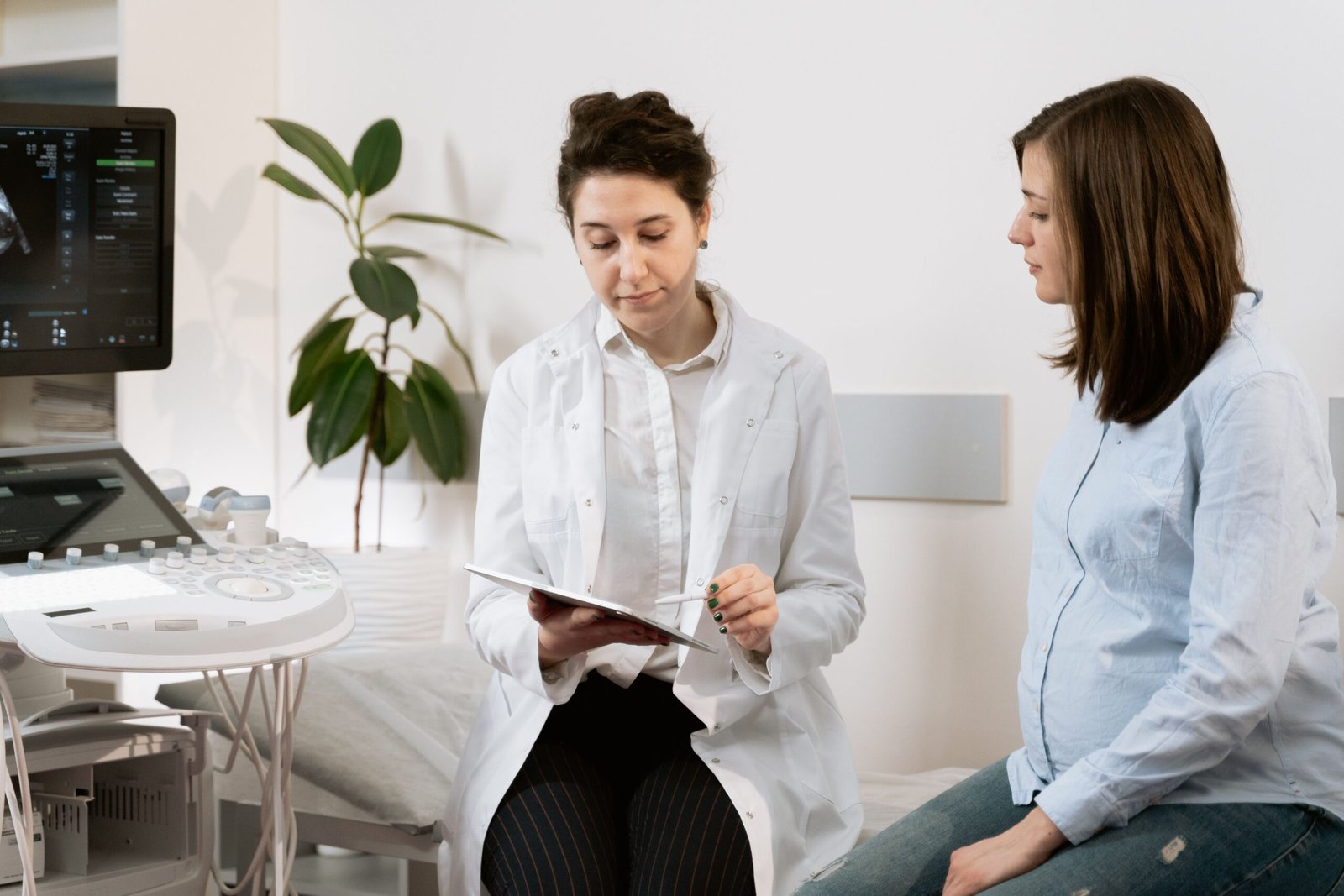
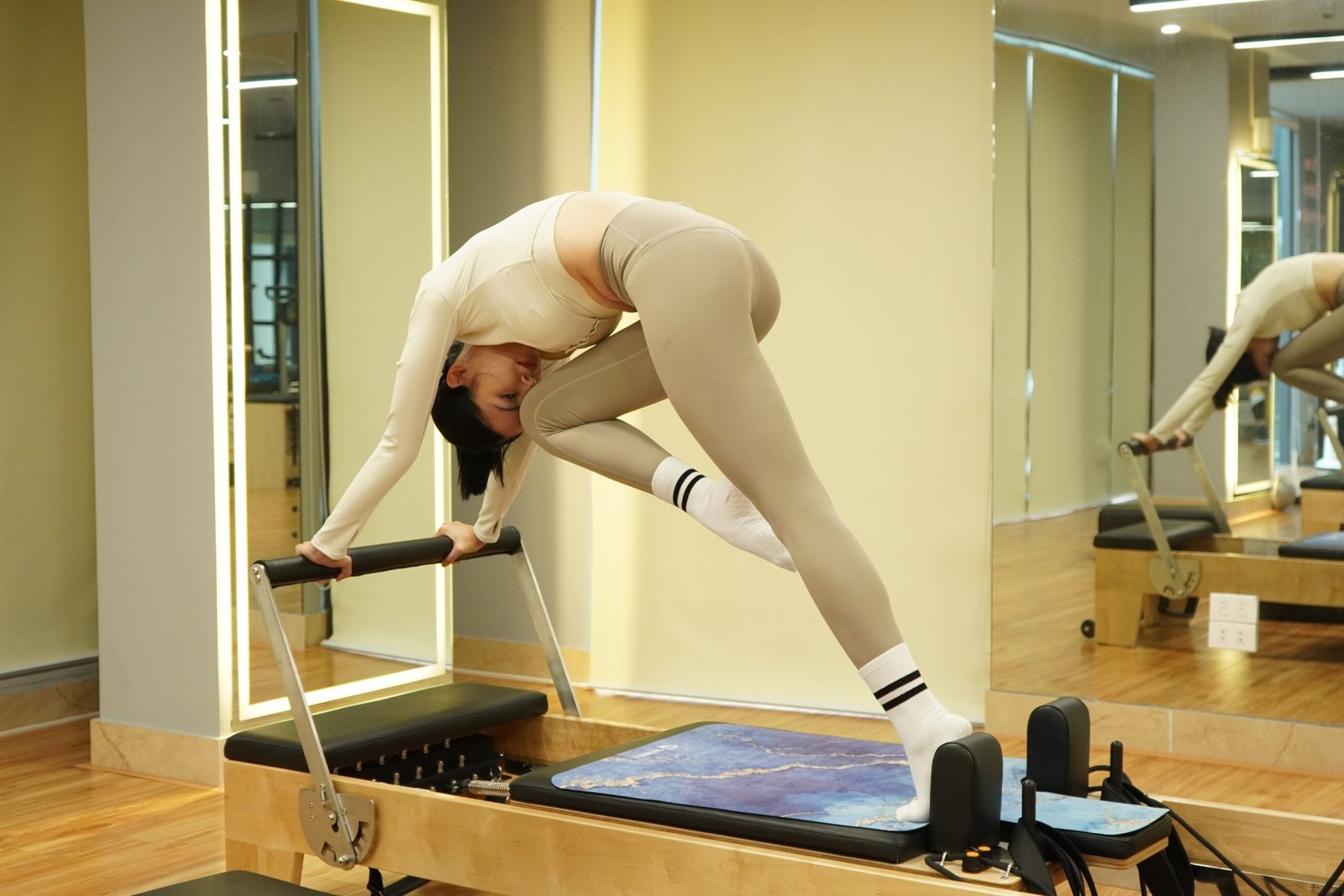
Reformer Pilates is a form of Pilates performed on a spring-loaded machine called a reformer, offering adjustable resistance that mat Pilates cannot provide. It reliably improves strength, flexibility, and functional movement, and its capacity for external loading makes it mechanistically better positioned than mat work to build muscle. However, since it has only been practised by the general public for a few years, the evidence base remains genuinely smaller than many social media claims suggest.
What Is Reformer Pilates?
The reformer is one of five pieces of equipment invented by Joseph Hubertus Pilates, alongside the Cadillac, the Chair, the Barrel and the Spine Corrector. Pilates originally developed his training method during the First World War, using springs from hospital beds as a resistance system to rehabilitate injured, bedridden patients. After emigrating to the US, he opened a studio in 1926 offering rehabilitation training for injured dancers, laying the groundwork for the roughly 500 exercises that make up the pilates method today. A reformer consists of a sliding carriage, adjustable springs for resistance, straps and a footbar, allowing the same core exercises used in mat pilates to be performed with variable, external loading.
Reformer vs Mat Pilates: What the Research Actually Shows
| Outcome | Mat Pilates | Reformer Pilates |
|---|---|---|
| Evidence base | More established, though studies remain small to moderate | More limited, since it has only been widely practised for a few years |
| Muscle mass (hypertrophy) | Minimal effect on lean mass in most studies | Mechanistically better positioned due to external loading, though clinically meaningful gains remain inconsistent |
| Chronic back pain | Moderate improvements documented | A randomised controlled trial found reformer pilates significantly reduced fear of movement after 6 weeks in women with chronic back pain |
| Cost and accessibility | Lower cost, minimal equipment needed | Higher cost, requires access to reformer equipment |
A 2026 narrative review in Quality in Sport concluded that Pilates reliably improves strength and functional outcomes but does not consistently produce robust muscle mass gains, regardless of format. This is an important distinction: reformer pilates can genuinely build strength and functional capacity without necessarily producing the visible muscle growth some marketing implies.
Evidence-Backed Benefits
- Improved core strength and stability: research published in the Journal of Physical Therapy Science links consistent pilates-based training to improved trunk stability and postural alignment
- Reduced fear of movement in chronic back pain: a randomised controlled trial found a twice-weekly, 45-minute reformer programme significantly reduced kinesiophobia after just 6 weeks in women aged 30 to 50
- Better postural alignment: the reformer provides external feedback that helps users feel how their body moves through space, which can accelerate correcting movement patterns compared to mat work alone
- Improved flexibility and balance: consistent with the broader, well-documented benefits of pilates generally across strength, flexibility and functional performance
Where the Evidence Is Genuinely Limited
Compared to conventional forms of exercise, such as structured weight training, the health benefits of pilates overall are not shown to be significantly greater in existing research. Since reformer pilates specifically has a much shorter track record of scientific study than mat pilates, many of the more ambitious claims circulating on social media, dramatic body recomposition, rapid muscle toning, significant fat loss, outpace what current studies actually demonstrate. This doesn’t mean reformer pilates isn’t effective; it means the evidence hasn’t caught up to the format’s recent explosion in popularity.
How Many Calories Does Reformer Pilates Burn?
| Format | Approximate Calories (60-minute session) |
|---|---|
| Reformer pilates | Up to 250 calories |
| Mat pilates | Around 175 calories |
The added resistance from the reformer’s spring system increases metabolic demand compared to bodyweight-only mat work, which is one reason reformer sessions can burn more calories in a comparable timeframe.
Who Reformer Pilates Suits Best
- People wanting external resistance without heavy free weights: the reformer’s spring system offers adjustable loading in a lower-impact format
- People recovering from injury under professional guidance: the format’s rehabilitation roots and controlled movement patterns suit gradual, guided strengthening
- People who benefit from visual and mechanical feedback: the equipment itself signals correct form and resistance, which some people find easier to learn from than internal body awareness alone
- People managing chronic back pain, particularly under a qualified instructor, given the specific evidence for reduced fear of movement
If building strength through progressive resistance is your primary goal, our guide to how to start strength training as a beginner covers the broader principles of progressive overload that complement, and in some cases outpace, what reformer pilates alone can offer for pure hypertrophy.
Who Might Prefer Mat Pilates Instead
- People new to pilates who want to build internal body awareness before introducing equipment
- People on a tighter budget, since mat pilates requires minimal equipment and is generally cheaper to access
- People who want a portable practice they can do anywhere without needing studio access
What a Typical Reformer Session Involves
- A warm-up on the reformer carriage, typically starting with footwork to activate the legs and core
- A sequence of controlled, precise movements using the springs, straps and footbar, often progressing from lying to seated to standing positions
- Continuous emphasis on breath, alignment and control throughout, core principles Joseph Pilates built into every exercise
- A cool-down involving stretches that use the reformer’s resistance to deepen range of motion safely
How Often Should You Do Reformer Pilates?
The randomised controlled trial showing reduced fear of movement in chronic back pain used a twice-weekly, 45-minute programme over 6 weeks, which offers a reasonable evidence-based starting frequency. For general fitness goals, two to three sessions weekly is commonly recommended by instructors, though clinical research specifically validating this exact frequency for other outcomes, such as strength or flexibility gains, remains limited.
Is Reformer Pilates Worth the Higher Cost Compared to Mat Pilates?
This depends on your specific goal. If you want external, adjustable resistance and mechanical feedback that mat work cannot replicate, and you have specific evidence-backed goals like managing chronic back pain, the added cost may be justified. If your goal is general strength, flexibility and functional movement with a lower financial commitment, mat pilates delivers comparable core benefits according to current research, without the equipment cost.
Frequently Asked Questions
Can reformer pilates build noticeable muscle mass?
Current research shows clinically meaningful increases in muscle mass following pilates, including reformer pilates, remain inconsistent across studies. While reformer pilates is mechanistically better positioned than mat work to promote hypertrophy due to its external loading, it should not be expected to match the muscle-building results of dedicated resistance training.
Is reformer pilates good for beginners?
Yes, with proper instruction. The equipment provides support and adjustable resistance that can make certain movements more accessible than unsupported mat exercises, though working with a qualified instructor initially is important for learning correct form on the machine.
Does reformer pilates count as cardio?
Not typically in the traditional sense. While it elevates heart rate somewhat and burns a meaningful number of calories per session, it is generally classified as a low-impact strength and flexibility format rather than a cardiovascular exercise, and pairing it with dedicated cardio is recommended for comprehensive fitness.
Can reformer pilates help with back pain?
There is specific randomised controlled trial evidence showing a twice-weekly reformer programme significantly reduced fear of movement in women with chronic back pain after 6 weeks. As with any exercise programme for back pain, working with a qualified instructor and consulting a doctor or physiotherapist first is recommended.
This article is for general information only and is not a substitute for professional medical or fitness advice. If you have an injury, chronic pain, or an underlying health condition, please consult a doctor or physiotherapist before starting reformer pilates.
About the Author: Written by the Well Ideas editorial team, dedicated to researching and sharing practical, evidence-informed wellness guidance for a healthier everyday life.