
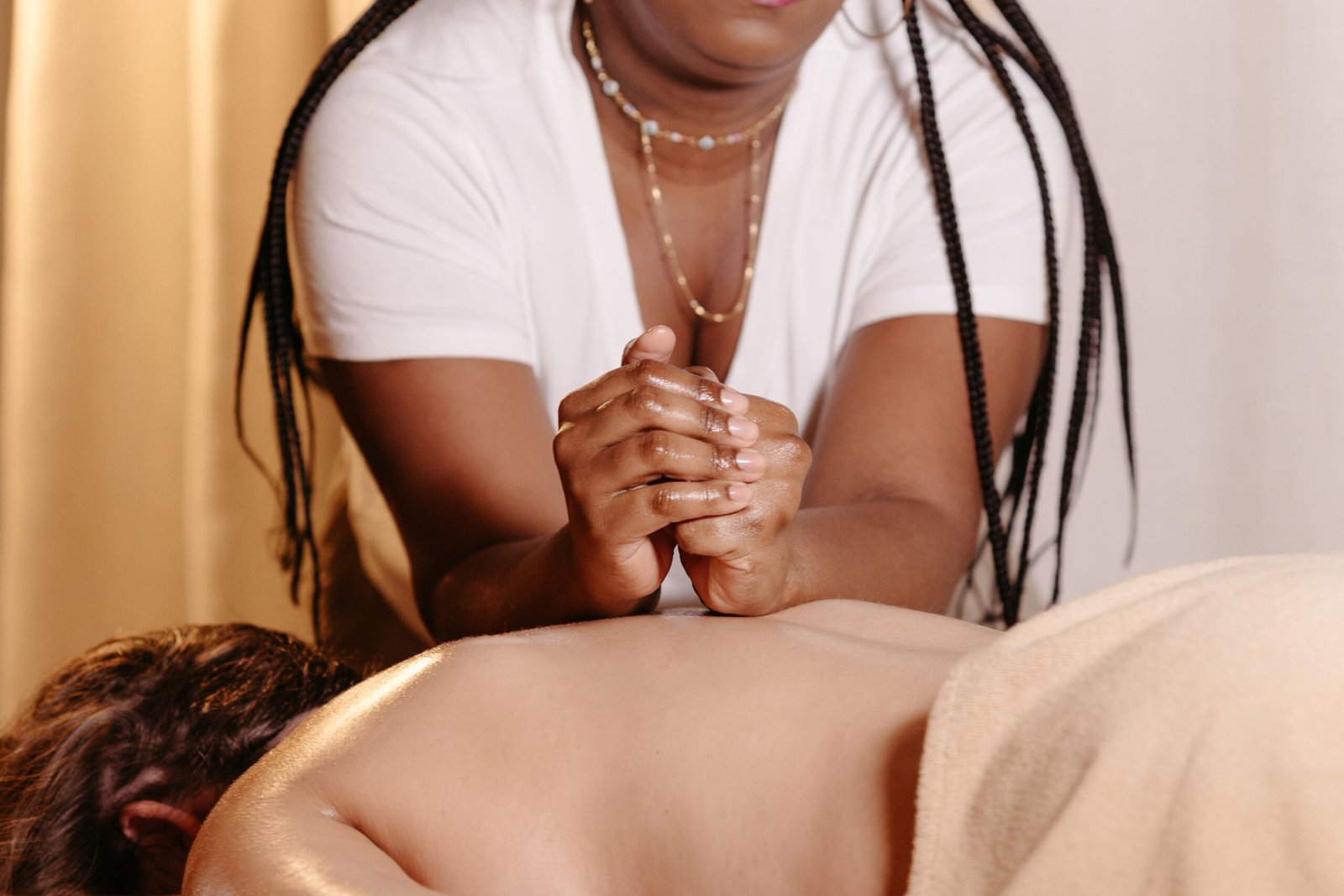
Lymphatic drainage massage is a gentle massage technique that stimulates the lymphatic system, the network of vessels and nodes that carries fluid and waste through the body. It is a proven treatment for lymphedema, a chronic condition where the lymphatic system stops working properly. For healthy people without a diagnosed lymphatic issue, the evidence behind trendy claims about detoxing, weight loss, and a permanent glow is far thinner than social media suggests.
What Is Lymphatic Drainage Massage?
Lymphatic drainage massage, also called manual lymphatic drainage (MLD), uses light, rhythmic pressure to stimulate lymph nodes and vessels that sit just beneath the skin. Unlike deep tissue massage, which works muscle layers, MLD works at the surface, gently stretching skin in specific directions to encourage lymph fluid to move toward working nodes. The technique was developed in the 1930s by Danish doctor Emil Vodder and his wife Estrid, who observed that massaging specific points on the body made lymph nodes more responsive and efficient at reducing swelling.
How the Lymphatic System Works
The lymphatic system is a network of vessels, nodes and organs that carries lymph, a clear fluid containing white blood cells, waste products and excess fluid from tissue, back into the bloodstream. Unlike the circulatory system, which has the heart to pump blood, the lymphatic system relies on muscle movement, breathing and external pressure to keep fluid flowing. When this system is blocked or damaged, fluid can build up in tissue, causing swelling called lymphedema.
What Lymphatic Drainage Massage Is Proven to Help
| Condition | Evidence Strength |
|---|---|
| Lymphedema (following breast cancer treatment) | Established use, though research shows mixed results on whether it outperforms compression bandaging alone |
| Chronic venous insufficiency | Some evidence of temporarily improved blood flow in the legs; long-term benefit unclear |
| Fibromyalgia symptoms | Limited evidence of symptom improvement and quality of life benefit; more research needed |
| Post-surgical swelling and cording | Studies show it can shorten the time cordlike nodules and tightness take to resolve after breast surgery |
Cleveland Clinic notes that lymph drainage massage can be a valuable part of a care plan if you have chronic sinus infections, puffy or swollen ankles and hands, certain skin conditions, or swollen lymph nodes, since these can all signal a congested lymphatic system that genuinely benefits from stimulation.
What the Trending Claims Actually Have Behind Them
Social media “lymphfluencers” claim MLD filters out toxins, causes weight loss, boosts the immune system, reduces cellulite, and gives permanent facial slimming. UCLA Health is direct about the science here: there is no substantial evidence supporting these claims in healthy people. A healthy lymphatic system does not need external help performing its normal functions; the massage can produce a temporary appearance of reduced puffiness and tighter-looking skin, but this effect is not the same as detoxification, and it does not persist without repeated sessions.
Reducing Cellulite and Facial Puffiness: What’s Real
Research into MLD’s effect on cellulite and facial puffiness is extremely limited, often based on studies involving very few participants, when studied at all. What the massage can genuinely do is temporarily reduce fluid retention in a specific area, producing a visibly smoother or less puffy appearance immediately afterward. This is a real, mechanical effect of moving fluid, not evidence of a lasting cosmetic transformation, and the effect fades as fluid naturally redistributes over the following hours or days.
Does Lymphatic Drainage Massage Cause Weight Loss?
No. UCLA Health states plainly that there is no evidence that MLD causes weight loss. Any change on the scale after a session reflects temporary fluid shifts, not fat loss. MLD may indirectly support weight management for people who already have a diagnosed lymphatic system problem, but for someone without an underlying issue, it is not a weight loss tool.
How a Session Works
- The session typically begins with light massage to stimulate the areas of the body that house major lymph nodes, including the neck, underarms and groin
- The therapist then uses gentle, directional strokes to move fluid from congested areas toward these working nodes
- Pressure remains light throughout, since deeper pressure can compress and close the delicate lymphatic vessels rather than open them
- Sessions usually last 45 to 60 minutes and may need to be repeated regularly for a genuine clinical benefit, since the effect is not permanent
Who Should Consider Lymphatic Drainage Massage
- People with diagnosed lymphedema, particularly following cancer treatment involving lymph node removal
- People recovering from certain surgeries, where a doctor recommends it to reduce post-operative swelling
- People with chronic venous insufficiency, under medical guidance, since evidence here remains preliminary
- People with a congested lymph system, indicated by recurring sinus infections, persistent swelling, or certain skin conditions
If puffiness specifically around the eyes is your main concern, our guide to how to reduce under-eye puffiness covers targeted, well-evidenced remedies for that specific area.
Who Should Be Cautious or Avoid It
- People with an active infection or fever, since stimulating lymph flow can spread infection
- People with congestive heart failure or kidney disease, since redirecting fluid can place additional strain on these organs
- People with a blood clot or deep vein thrombosis, without explicit medical clearance
- People with active cancer that hasn’t been assessed by their medical team, since fluid movement in some cases needs careful clinical oversight
Speaking to a doctor before starting is genuinely worthwhile if any of these apply, since MLD is not risk-free despite its gentle reputation.
Lymphatic Drainage vs Other Massage Types
| Type | Pressure Level | Primary Target | Best For |
|---|---|---|---|
| Lymphatic drainage (MLD) | Very light | Lymph vessels just beneath the skin | Swelling, lymphedema, fluid retention |
| Deep tissue massage | Firm to intense | Deep muscle layers | Chronic muscle tension, sports recovery |
| Swedish massage | Light to moderate | Muscles and general relaxation | Stress reduction, general wellbeing |
How Often Should You Get Lymphatic Drainage Massage?
For medically indicated lymphedema treatment, frequency is typically set by a specialist and may involve multiple sessions weekly during an intensive treatment phase, tapering off as swelling improves. For general wellness use without a diagnosed condition, there is no established evidence-based frequency, since the cosmetic and general wellness benefits themselves lack strong supporting research in the first place.
Is Lymphatic Drainage Massage Worth It If You’re Healthy?
If you don’t have a diagnosed lymphatic issue, the honest answer from major medical sources, including UCLA Health and Cleveland Clinic, is that a healthy lymphatic system doesn’t need this kind of external help. The temporary de-puffing and relaxation effect is real, and many people find the massage itself genuinely pleasant and calming, which has its own value. But treating it as a detox, immune booster, or weight loss method isn’t supported by current evidence.
Frequently Asked Questions
Can I do lymphatic drainage massage on myself at home?
Simplified self-massage techniques exist and are generally considered low-risk for general relaxation, but for a diagnosed lymphatic condition like lymphedema, working with a trained MLD specialist is the more evidence-supported approach, since technique and pressure genuinely matter for a clinical outcome.
Is lymphatic drainage massage painful?
No, it should not be painful. The technique specifically uses very light pressure, since deeper pressure can actually compress and close the delicate lymphatic vessels rather than open them and encourage flow.
How long do the effects of a session last?
The temporary reduction in swelling and puffiness typically lasts hours to a few days before fluid naturally redistributes, which is why regular repeated sessions are needed for anyone using it to manage a genuine lymphatic condition.
Can lymphatic drainage massage boost my immune system?
There is no credible evidence supporting this claim in healthy people, according to UCLA Health. Regular exercise, balanced nutrition and staying hydrated are the evidence-backed ways to support a healthy lymphatic and immune system.
This article is for general information only and is not a substitute for professional medical advice. If you have swelling, a lymphatic condition, or an underlying health issue, please consult a doctor before starting lymphatic drainage massage.
About the Author: Written by the Well Ideas editorial team, dedicated to researching and sharing practical, evidence-informed wellness guidance for a healthier everyday life.