Spirulina is a blue-green algae supplement containing 60 to 70% protein by dry weight, along with iron, B vitamins, antioxidants and the pigment phycocyanin, which drives much of its research interest. Evidence supports modest improvements in blood pressure, cholesterol and blood sugar, alongside antioxidant and anti-inflammatory effects. Most human trials remain small, and the US Dietary Supplements Information Expert Committee has given it a Class A safety rating, meaning available evidence does not indicate a serious health risk when properly formulated.
What Is Spirulina?
Spirulina is a cyanobacterium, commonly called blue-green algae despite technically being a photosynthetic bacterium rather than a true algae. The most common species used in supplements are Spirulina platensis and Spirulina maxima. It grows naturally in warm, alkaline lakes and has a long history as a food source, first eaten by the ancient Aztecs, and was later used as a supplement for NASA astronauts on space missions due to its dense nutrient profile in a small volume. Today it’s sold as a powder, tablet or capsule, and added to smoothies, protein bars and juices.
Nutritional Profile
| Nutrient (per tablespoon, ~7g) | Amount |
|---|---|
| Calories | 20 |
| Protein | 4g |
| Fat | 1g |
| Carbohydrates | 2g |
| Iron | Rich source; roughly 28-50mg per 100g dry weight |
By dry weight, spirulina is roughly 60 to 70% protein and contains all nine essential amino acids, a genuinely rare profile for a plant-based source. It’s also rich in B vitamins, beta-carotene, copper, and the omega-6 fatty acid GLA. It’s worth noting these figures describe concentrated dry weight; a realistic daily serving delivers a useful but proportionally smaller absolute amount of each nutrient.
Phycocyanin: The Compound Behind Most of the Research
Phycocyanin is the blue-green pigment that gives spirulina its colour and makes up much of its protein content. It carries strong antioxidant and anti-inflammatory properties, working by blocking the production of molecules that promote inflammation in the body. Most of spirulina’s proposed health effects trace back to phycocyanin’s activity, which is why “blue spirulina,” a more concentrated phycocyanin extract, has grown in popularity alongside standard whole spirulina powder.
Evidence-Backed Benefits
1. Supports Healthier Cholesterol and Blood Pressure
A review of trials in people with metabolic syndrome found spirulina significantly improved several cardiometabolic markers: lowering total cholesterol, LDL (“bad”) cholesterol and triglycerides, while increasing HDL (“good”) cholesterol. These are all recognised risk factors for heart disease, and the consistency of this finding across multiple reviews makes it one of the better-supported benefits in the spirulina literature.
2. May Improve Blood Sugar Control
An eight-week human trial found spirulina supplementation was associated with lower fasting glucose and insulin alongside improved lipid markers, and a systematic review grouping several diabetes trials found consistent glycaemic improvements. However, the same body of research found no significant effect on post-meal blood sugar or HbA1c, the marker used to measure long-term blood sugar control, meaning the benefit appears real but limited in scope.
3. Antioxidant and Anti-Inflammatory Effects
Fatty structures in the body are vulnerable to oxidative damage, a process called lipid peroxidation that drives the progression of many chronic diseases. Research suggests spirulina’s antioxidant compounds may help reduce this process; one small study found spirulina supplementation reduced exercise-induced lipid peroxidation, inflammation and muscle damage in a group of rugby players.
4. Weight Management, With an Important Caveat
A 12-week trial found 6 grams of spirulina daily produced a measurable drop in body weight and BMI, but mainly when combined with exercise; spirulina alone did not consistently move the needle. Its high protein content may support satiety, but current evidence positions it as a support to diet and activity, not a standalone weight-loss agent.
5. Athletic Performance and Recovery
A review focused specifically on athletes found spirulina’s antioxidant, anti-inflammatory and insulin-sensitising properties may benefit exercise performance and recovery, alongside its high, complete-protein content. This makes it a reasonable addition for people combining it with a training programme, though it should complement, not replace, standard sports nutrition.
Emerging Research Areas
| Area | Evidence Status |
|---|---|
| Anti-cancer properties | Promising in animal studies for reducing cancer occurrence and tumour size; human evidence still limited |
| Neuroprotection | Ex vivo and rat studies suggest spirulina may prevent harmful protein accumulation linked to neurodegeneration; not yet confirmed in humans |
| Allergy and immune modulation | Some evidence of benefit; more robust human trials needed |
These areas represent genuine scientific interest rather than confirmed human benefits, and researchers across multiple reviews consistently note that larger, more rigorous human trials are still needed before firmer conclusions can be drawn.
Spirulina vs Chlorella
| Feature | Spirulina | Chlorella |
|---|---|---|
| Colour | Blue-green | Vibrant green |
| Protein content | Higher | Lower |
| Vitamin A and omega-3s | Lower | Higher |
| Vitamin E and K | Higher | Lower |
Both are nutrient-dense algae supplements with overlapping but distinct nutritional strengths, and some people use them together rather than choosing one over the other.
How to Take Spirulina
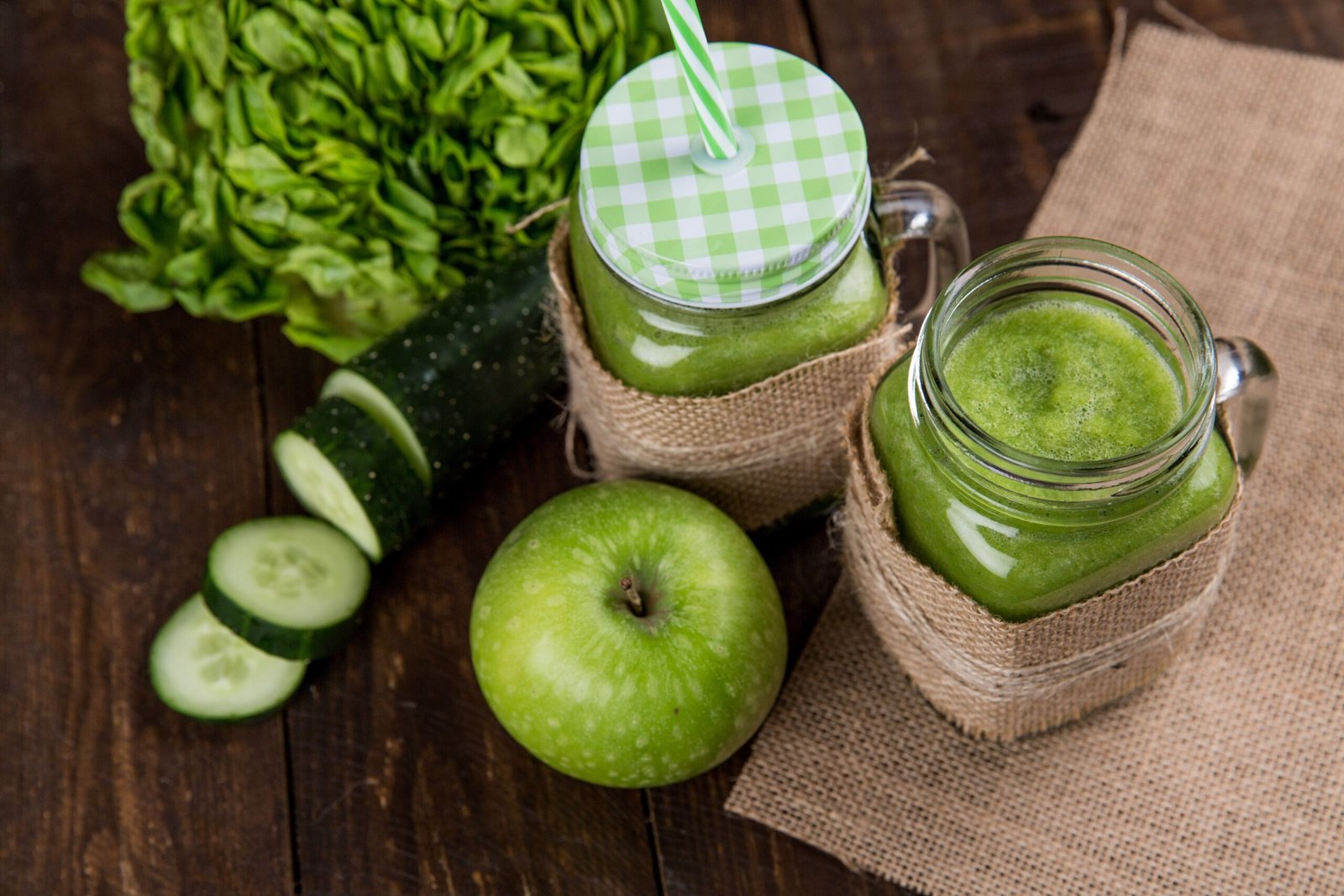
- Powder form: easiest to blend into smoothies, juices or yoghurt; a strong, distinctly earthy taste means many people prefer masking it in a flavoured drink
- Capsule or tablet form: a good alternative if you can’t tolerate the taste, though a “food first” approach is generally preferred when practical
- Typical research doses: studies showing metabolic benefit have generally used around 1 to 8 grams daily, though optimal dosing isn’t yet firmly established across all use cases
If you’re building a broader gut and metabolic health routine, our guide to benefits of probiotics for gut and immune health covers a complementary supplement category with its own well-evidenced mechanisms.
Safety and Side Effects
Spirulina is generally considered safe. The Dietary Supplements Information Expert Committee reviewed its safety in 2011 and unanimously assigned it a Class A rating, indicating available evidence did not show a serious health risk when properly formulated and used. Reported side effects are generally mild and can include difficulty sleeping and digestive discomfort, particularly when starting supplementation.
Who Should Avoid Spirulina
- People with autoimmune conditions, since spirulina may stimulate immune activity in ways that aren’t fully understood in this context
- People with phenylketonuria (PKU), a rare genetic condition, since spirulina naturally contains phenylalanine
- People taking blood thinners, without medical guidance, given spirulina’s potential mild effect on blood clotting
- Anyone sourcing spirulina from unverified suppliers, since contamination with heavy metals or harmful bacteria has been documented in poorly regulated products
Is Spirulina Worth Taking?
Registered dietitian Beth Czerwony of Cleveland Clinic frames it well: whole foods remain the preferred source of nutrients, but spirulina is a reasonable addition for people who struggle to get enough plant protein or specific micronutrients through diet alone. The evidence for modest cardiometabolic and antioxidant benefit is genuinely encouraging, but a healthy, well-balanced diet should be the first step in improving health, not a supplement relied on in isolation.
How Long Does It Take to See Benefits from Spirulina?
Most clinical trials showing measurable improvements in cholesterol, blood sugar or inflammatory markers used consistent daily supplementation for 8 to 12 weeks, suggesting this is a realistic minimum timeframe before benefits become measurable. Shorter-term use is unlikely to produce the same clinical changes seen in these studies.
Frequently Asked Questions
Can spirulina replace a multivitamin?
Not entirely. While spirulina is rich in several nutrients, particularly protein, iron and B vitamins, it doesn’t provide the same comprehensive range of vitamins and minerals as a formulated multivitamin, and shouldn’t be relied on as a full substitute.
Is spirulina safe for vegans and vegetarians?
Yes. Spirulina is plant-based and offers a complete protein profile with all essential amino acids, making it a genuinely useful supplement for people following a vegan or vegetarian diet who want to boost protein and iron intake.
Does spirulina interact with medications?
It can interact with certain medications, including blood thinners and immunosuppressants, due to its effects on blood clotting and immune activity. Speak to a doctor before starting spirulina if you take regular medication.
How do I choose a quality spirulina supplement?
Look for products tested for heavy metal and bacterial contamination, ideally from suppliers with third-party testing or certification, since spirulina grown in poorly controlled conditions has been documented to accumulate contaminants from its environment.
This article is for general information only and is not a substitute for professional medical advice. If you have an autoimmune condition, take regular medication, or are pregnant or breastfeeding, please consult a doctor before taking spirulina.
About the Author: Written by the Well Ideas editorial team, dedicated to researching and sharing practical, evidence-informed wellness guidance for a healthier everyday life.