Yes, diet can lower your cholesterol, and for many people it lowers it by a useful amount. The biggest wins come from four things: cutting saturated fat, eating oats and other soluble fibre every day, eating soya foods and a handful of nuts, and using foods fortified with plant sterols or stanols.
Put together, those four foods form what researchers call the Portfolio diet. In a tightly controlled trial where people were given all their food, it cut LDL cholesterol, the bad type, by about 29 percent in one month. In real life, where people chose their own food, it cut LDL by about 13 percent over six months. Both numbers matter, and this article gives you both, because the gap between them is the gap between a perfect month and real life.
Diet alone may not be enough for everyone. If your cholesterol is very high, if you have heart disease, or if your overall risk is high, your GP may offer you a statin as well. That is not a failure of diet. It is how the two work together.
Your numbers: what to aim for
Table 1: Your cholesterol numbers, and what to aim for.
| Test | Healthy level | What it means |
|---|---|---|
| Total cholesterol | Below 5 mmol/L | The overall amount of cholesterol in your blood |
| LDL cholesterol | Below 3.0 mmol/L | The bad type, which can block blood vessels |
| Non-HDL cholesterol | Below 4 mmol/L | Total cholesterol minus the good type, the number your GP often uses |
| HDL cholesterol | Above 1.0 mmol/L for men, above 1.2 mmol/L for women | The good type, which helps clear cholesterol away |
These are the NHS guide levels for healthy adults. Your own target may be lower. If you have had a heart attack or a stroke, or you have diabetes or kidney disease, your GP will set a lower target for you. Ask your GP what your own numbers should be, rather than comparing them with a figure from another person.
High cholesterol has no symptoms. The only way to know your numbers is a blood test. Our high cholesterol guide explains what each number means and when to get tested.
The four foods that lower cholesterol
Table 2: The four cholesterol-lowering foods, how much a day, and what the evidence shows.
| Food group | How much a day | What the evidence shows |
|---|---|---|
| Viscous fibre: oats, barley, beans, lentils | 3g of beta-glucan a day, from three servings | Beta-glucan binds cholesterol in the gut so it is not absorbed |
| Soya foods: tofu, soya mince, edamame, soya milk | 1 to 3 servings a day, building up to 3 | 30g or more of plant protein a day cuts LDL by about 4 to 5 percent |
| Nuts: almonds, walnuts, peanuts, pistachios | A handful, 30g a day, unsalted | Unsaturated fats and fibre that help lower LDL |
| Plant sterols and stanols: fortified spreads, yogurts, mini drinks | 1.5g to 3g a day from fortified foods | LDL down by 7 to 12.5 percent, seen within two weeks |
Each of these four can lower LDL cholesterol by about 5 to 10 percent on its own. Together they have a greater effect, and that is the whole idea of the Portfolio diet. The amounts in the table are the amounts the trials used, so they are the amounts to aim for, not a guess.
What cholesterol is, and why diet matters
Cholesterol is a fatty substance in your blood. Your liver makes most of it, and the rest comes from food. It is not all bad. Your body needs cholesterol to make hormones, vitamin D and bile. The problem is too much of the wrong type.
LDL cholesterol is the bad type. It sticks to artery walls and builds up into plaques, which narrow the arteries and make a heart attack or stroke more likely. HDL cholesterol is the good type. It carries cholesterol away from the arteries and back to the liver.
Diet matters because what you eat changes both. Saturated fat makes your liver produce more LDL and clear less of it. Soluble fibre, soya, nuts and plant sterols do the opposite: they pull cholesterol out of your blood, block it being absorbed, or replace the saturated fat in your diet.
Close to half of UK adults have total cholesterol above the guideline level of 5 mmol/L, according to the British Heart Foundation. Most of them do not know it, because there are no symptoms. That is why a blood test matters, and why the food on your plate matters too.
Cut saturated fat first
The single biggest dietary change is cutting saturated fat. UK guidelines say the average man should eat no more than 30g of saturated fat a day, and the average woman no more than 20g a day. Most people in the UK eat more than that.
Saturated fat is found in fatty and processed meat, butter, ghee, lard, cream, hard cheese, cakes, biscuits, pastries and pies, and in coconut oil and palm oil. A single sausage roll can have 10g or more. A portion of cheese can have 6g. It adds up fast.
The trick is to swap, not to starve. Butter on toast becomes olive oil or rapeseed oil spread. Full fat mince becomes 5 percent fat mince, or half mince and half lentils. Creamy curry becomes a tomato based curry, such as a tandoori or a madras. A fry up becomes grilled mushrooms, tomatoes, beans and a poached egg, with wholemeal toast.
Check the label when you shop. On the front of the pack, green means low in saturated fat (1.5g or less per 100g), amber means medium, and red means high (5g or more per 100g). Aim for green or amber. Oily fish, nuts, oils and spreads can show red for fat, and that is fine, because those foods are high in the healthy unsaturated fats.
Coconut oil deserves a warning. It has an image as a healthy food, but it is almost entirely saturated fat, and it contains even more saturated fat than butter. HEART UK says to use it sparingly, if at all. The same goes for palm oil, which is in many biscuits, cakes and spreads.
The Portfolio diet in plain English
The Portfolio diet is not a branded plan, a set of superfoods, or a rigid menu. It is a way of eating built around the four food groups in Table 2, on top of a diet that is already low in saturated fat.
It was developed in the early 2000s by Dr David Jenkins at the University of Toronto. The idea was simple: each of the four food groups lowers LDL a little on its own, so eating all four together should lower it a lot. The trials tested that idea.
In the first trial, published in 2003, 46 people with high cholesterol were given all their food for one month. The Portfolio diet cut their LDL cholesterol by 28.6 percent. A statin, lovastatin 20 mg a day, cut it by 30.9 percent. The two were close, and the authors said the diet was comparable to the starting dose of an older statin.
In real life, the effect is smaller, and it is important to say so. In a six month trial of 351 people who chose their own food, LDL fell by 13.8 percent with intensive advice and 13.1 percent with routine advice, against 3.0 percent on a low saturated fat diet alone. Over 12 months, the average fall was about 13 percent, and about a third of the people who stuck to the plan cut their LDL by more than 20 percent.
That is still a real fall, and for many people it is enough to bring their numbers into the healthy range. It is also honest to say that it takes effort. The people who got the biggest falls were the ones who followed the plan most closely, every day, not just on good days.
The 7 day plan
This plan uses UK portions and supermarket food. It is a starting point, not a prescription. Every day includes porridge or oats, a soya food, a handful of nuts, and beans or lentils, so the four Portfolio foods are covered daily. A plant sterol or stanol yogurt drink is included once a day.
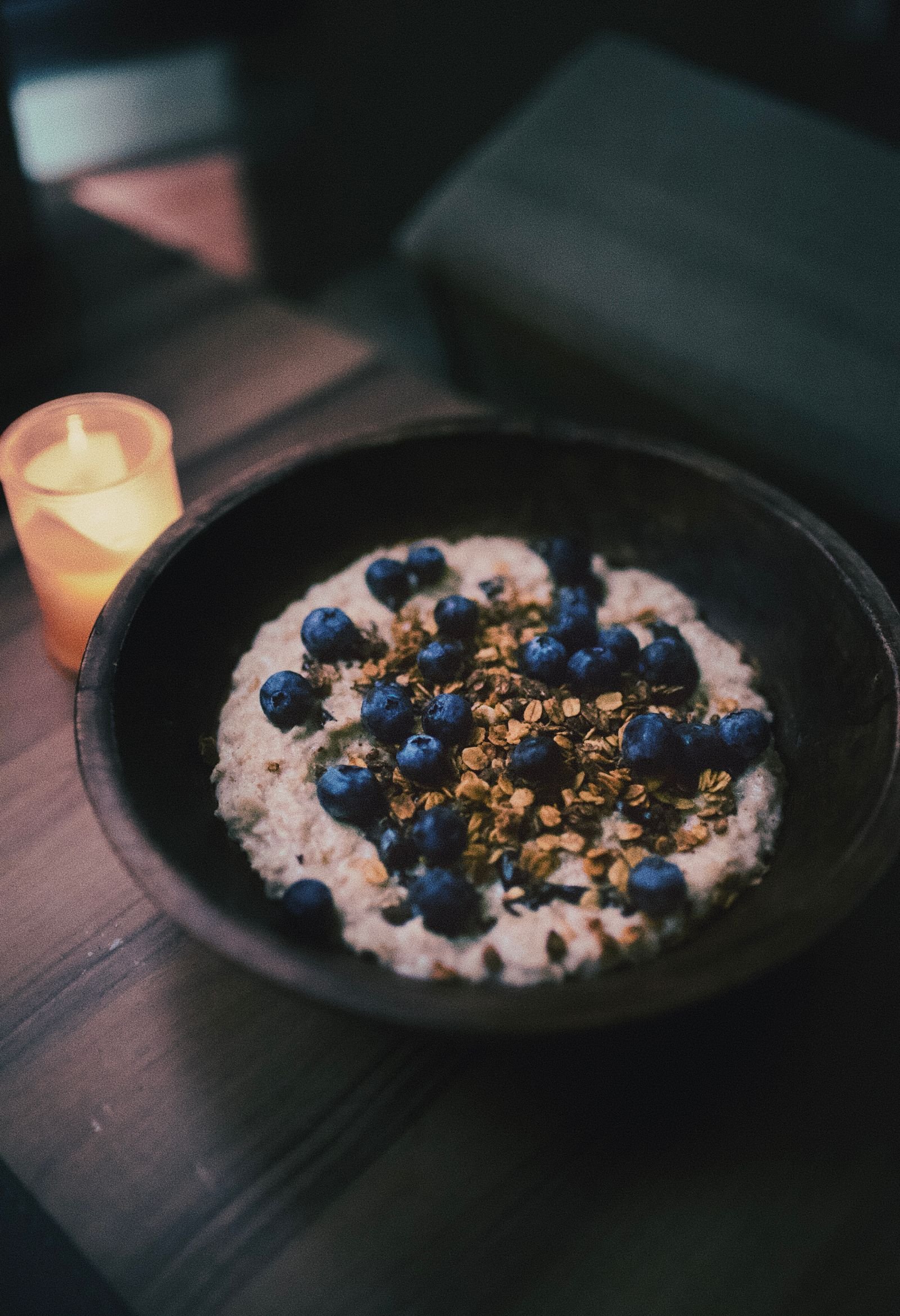
Monday. Breakfast: porridge made with 40g oats and semi-skimmed milk, with a sliced banana and a tablespoon of ground flaxseed. Lunch: lentil soup with two slices of wholemeal bread and a small pot of low fat yogurt. Dinner: grilled salmon, boiled new potatoes, broccoli and carrots. Snack: a handful (30g) of unsalted almonds.
Tuesday. Breakfast: overnight oats made with 40g oats, soya milk and frozen berries. Lunch: wholemeal pitta with hummus, grated carrot, cucumber and a handful of spinach, plus an apple. Dinner: tofu stir fry with peppers, mushrooms and pak choi, served with brown rice. Snack: a plant sterol mini yogurt drink.
Wednesday. Breakfast: porridge with 40g oats, semi-skimmed milk and a handful of blueberries. Lunch: bean chilli made with kidney beans, tomatoes and peppers, with brown rice. Dinner: grilled chicken breast without skin, sweet potato wedges, green beans and a side salad with rapeseed oil dressing. Snack: a handful (30g) of walnuts.
Thursday. Breakfast: wholemeal toast with a boiled egg and a sliced tomato. Lunch: chickpea and vegetable soup with two oatcakes. Dinner: mackerel fillets, boiled potatoes, peas and carrots. Snack: a plant sterol mini yogurt drink and a pear.
Friday. Breakfast: overnight oats with 40g oats, soya milk and a sliced peach. Lunch: wholemeal wrap with soya mince, lettuce, tomato and a spoon of low fat yogurt, plus an orange. Dinner: lentil bolognese with wholewheat spaghetti and a green salad. Snack: a handful (30g) of unsalted peanuts.
Saturday. Breakfast: porridge with 40g oats, semi-skimmed milk and a handful of raspberries. Lunch: baked beans on wholemeal toast with a side salad. Dinner: grilled sardines on wholemeal toast with a tomato salad, followed by a low fat yogurt. Snack: a handful (30g) of mixed nuts.
Sunday. Breakfast: scrambled eggs with mushrooms and wholemeal toast. Lunch: roast chicken without skin, roast potatoes cooked in a little rapeseed oil, carrots, parsnips and broccoli. Dinner: vegetable and bean stew with pearl barley. Snack: a plant sterol mini yogurt drink.
Drink water, tea or coffee without sugar. Keep alcohol to no more than 14 units a week, spread over 3 or more days, with several drink free days. If you smoke, stopping is the single most important change you can make, and your GP can help.
Food: what to eat more of, and what to eat less of
Eat more of these. Oily fish such as mackerel, salmon, sardines, herring and trout, at least once a week. Olive oil, rapeseed oil and spreads made from these oils. Brown rice, wholegrain bread, wholewheat pasta, oats and barley. Nuts and seeds, unsalted. Fruits and vegetables, at least 5 portions a day. Beans, lentils, chickpeas and peas, at least three times a week. Soya foods such as tofu, tempeh, soya mince and fortified soya milk. Low fat dairy, such as semi-skimmed milk and low fat yogurt.
Eat less of these. Meat pies, sausages, bacon, salami and fatty meat. Butter, lard and ghee. Cream and hard cheese. Cakes, biscuits, pastries and doughnuts. Food that contains coconut oil or palm oil. Takeaways and ready meals that are red for saturated fat, salt and sugar. Sugary drinks, which do not raise cholesterol directly but add weight, and weight raises cholesterol.
Aim for at least 30g of fibre a day, from wholegrains, beans, lentils, fruit and vegetables. Keep salt below 6g a day, about a teaspoon. Check labels: a food is high in salt if it has more than 1.5g of salt per 100g.
Beyond food: weight, exercise, smoking and alcohol
Food is the biggest lever, but it is not the only one. Being overweight raises cholesterol, and losing weight lowers it. You do not need to reach a perfect weight. Even a modest loss helps, and the NHS 12 week weight loss plan is a free place to start.
Exercise helps too. Aim for at least 150 minutes of moderate activity a week, or 75 minutes of vigorous activity. Brisk walking counts, and so do swimming and cycling. Exercise raises HDL, the good cholesterol, and lowers non-HDL, as well as helping you lose weight and keep it off.
Smoking makes non-HDL cholesterol stickier, so it clings to artery walls, and it lowers HDL. Stopping smoking is one of the best things you can do for your heart, and your GP can offer help and support.
Alcohol raises triglycerides, another blood fat, and it adds calories that make weight loss harder. Keep to no more than 14 units a week, spread over 3 or more days, with several drink free days each week.
When diet alone is not enough
Diet alone may not be enough, and that is not a failure. Some people have cholesterol that stays high whatever they eat, because their liver makes too much of it, or because it runs in the family.
Your GP will look at your whole risk, not just your cholesterol number. They use a score called QRISK, which estimates your chance of having a heart or circulation problem in the next 10 years, from your age, blood pressure, cholesterol, smoking, diabetes and other factors. NICE guidance says your GP should offer you a statin, atorvastatin 20 mg a day, if your 10 year QRISK score is 10 percent or more. The aim of treatment is to cut your non-HDL cholesterol by more than 40 percent.
Statins work differently from diet. Atorvastatin 20 mg lowers LDL cholesterol by about 43 percent on average. Diet and statins work together, and eating well still matters when you take a statin, because it lowers your risk further and helps your blood pressure and blood sugar too. Our prediabetes guide explains how the same food changes help blood sugar.
Familial hypercholesterolaemia is a separate case. It is an inherited condition where cholesterol is very high from a young age, and it runs in families. Diet alone will not bring it down to a safe level. If your cholesterol is very high, if a parent or sibling had a heart attack young, or if you have lumps on your tendons or a pale ring around the coloured part of your eye, ask your GP about it. It needs a referral and usually medicine, and your family may need testing too.
Do not stop a statin because you have started eating well. If you think your cholesterol has fallen enough to change your treatment, talk to your GP first, and get a blood test to check.
What does not help
Detox teas and juice cleanses do not lower cholesterol. There is no evidence behind them, and they are not a substitute for food, movement and weight change.
Coconut oil does not help. It is almost entirely saturated fat, and it raises LDL cholesterol. The same goes for butter coffee and other high fat fads.
Mega dose supplements do not help more than the right dose. Garlic, fish oil and red yeast rice are often sold for cholesterol, but none of them is NHS recommended for lowering cholesterol, and red yeast rice contains the same active ingredient as a statin, so it can cause the same side effects without a doctor watching. Do not take it without asking your GP.
Crash diets do not help either. Losing weight very fast can bring cholesterol down quickly, but it is hard to keep off, and the evidence supports gradual, sustained loss, not a two week detox.
Waiting does not help. High cholesterol has no symptoms, so it is easy to put off a blood test. But the damage builds silently, year after year. If you are over 40, the NHS recommends a cholesterol check at least every five years, and more often if your numbers are high.
When to see a GP, and when to act sooner
See a GP if your cholesterol is high and you have not had it checked in the last year, if you have started a new diet plan and want to know whether it is working, or if you have a family history of heart disease or high cholesterol. A GP visit for high cholesterol usually includes a blood pressure check as part of the same assessment, and our normal blood pressure guide explains what those numbers mean.
See a GP sooner if you have chest pain, breathlessness, or pain in your legs when you walk, or if you have been told your cholesterol is very high and you have never had it looked at properly. Those are signs to act on, not to wait on.
If you take a statin, tell your GP about any muscle pain, weakness or dark urine, and about any new medicine or supplement you start, because some of them interact with statins.
Frequently asked questions
How much can diet lower cholesterol?
It depends on how closely you follow the plan. In the Portfolio diet trials, LDL cholesterol fell by about 29 percent in one month when people were given all their food, and by about 13 percent over six months when people chose their own food. A single food, such as oats or nuts, lowers LDL by a few percent on its own. The full plan, with all four food groups and less saturated fat, is what gives the bigger fall. No one can promise you a number, and your GP can recheck your blood after a few months to see how you are doing.
How long does it take to lower cholesterol with diet?
Cholesterol changes slowly. Plant sterols and stanols can start to lower LDL within two weeks, but a full blood test after three months of steady change is the usual point to check. That is because your liver takes time to adjust, and because a single test can vary from day to day. Do not expect a big change in a fortnight, and do not give up if the first recheck is smaller than you hoped.
Do I need to cut out all fat?
No, and you should not. Your body needs fat, and unsaturated fat is good for your heart. The aim is to replace saturated fat with unsaturated fat, not to eat no fat at all. Olive oil, rapeseed oil, nuts, seeds, avocado and oily fish are all high in unsaturated fat, and they are part of the plan. What you cut is the saturated fat in butter, fatty meat, cheese, cakes and coconut oil.
Are eggs bad for cholesterol?
Eggs contain cholesterol, but for most people the cholesterol in food has much less effect on blood cholesterol than saturated fat does. The NHS does not set a limit on eggs, and most people can eat them as part of a balanced diet. If you have very high cholesterol or familial hypercholesterolaemia, your GP or dietitian may give you different advice.
Do plant sterol yogurts work?
Yes, for lowering cholesterol, but with limits. Fortified yogurts, mini drinks and spreads that give 1.5g to 3g of plant sterols or stanols a day can lower LDL cholesterol by 7 to 12.5 percent, and the effect can be seen within two weeks. They need to be eaten every day, with a meal, to work. They are not NHS recommended for preventing heart disease, because there is no long term evidence that they prevent heart attacks or strokes, and they should not be given to children under 5 or to women who are pregnant or breastfeeding.
Can I stop my statin if I eat well?
Do not stop a statin without talking to your GP. Diet and statins work together, and stopping a statin can let your cholesterol rise again quickly. If your numbers have fallen a lot, your GP may review your dose, but that decision needs a blood test and a look at your overall risk, not a guess from how well you have eaten.
Sources and disclaimer
This article is general information, not medical advice. It does not diagnose or treat any condition. Speak to your GP if you have high cholesterol, if you have a family history of heart disease, if you have chest pain or breathlessness, or if you are thinking of stopping a medicine your GP has prescribed.
NHS, How to lower your cholesterol
NHS, How to eat less saturated fat
Leeds Teaching Hospitals NHS, Cholesterol and Dietary Changes
HEART UK, Cholesterol SMART Healthy Eating Guide
British Heart Foundation, Cholesterol-lowering foods in the portfolio diet
British Dietetic Association, Food Fact Sheet, Plant stanols and sterols, November 2021