
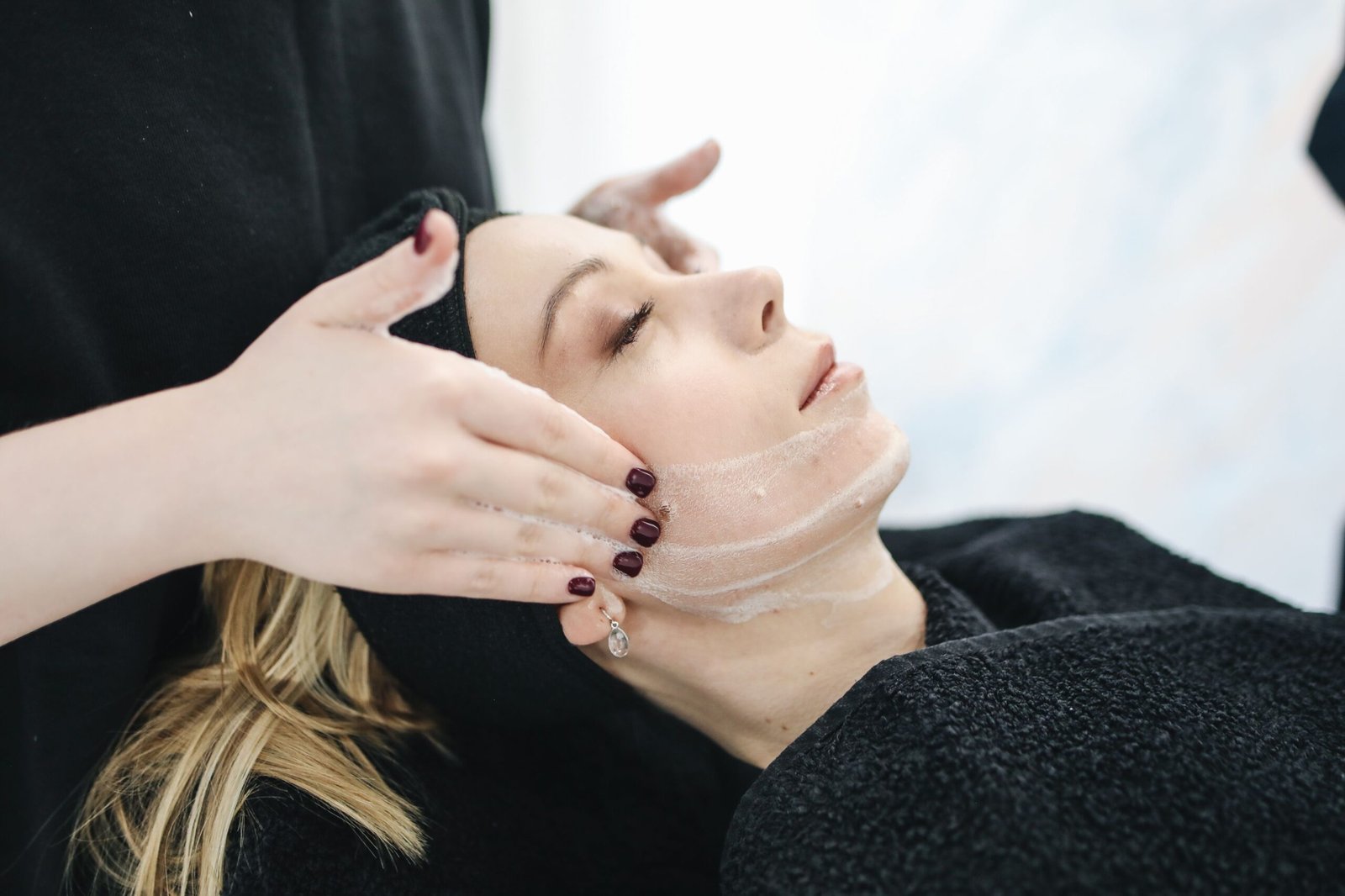
Face yoga is a series of facial exercises, massage, and breathing techniques designed to tone facial muscles and improve skin appearance. The most rigorous study to date, a 2018 trial published in JAMA Dermatology by Northwestern University researchers, found 20 weeks of consistent facial exercises improved mid and lower-face fullness, effectively knocking an estimated three years off participants’ perceived age. Evidence remains limited to small studies overall, but face yoga produces measurable biomechanical changes, not just a subjective impression of working.
What Face Yoga Actually Involves
Face yoga combines facial muscle contractions, stretching, massage, and breathing exercises designed to strengthen and tone the muscles of the face and neck. Dr Joshua Zeichner, a dermatologist at the Icahn School of Medicine at Mount Sinai, compares the mechanism to bodybuilding: repeatedly moving the same facial muscles causes them to become larger and firmer over time, similar to how resistance training builds muscle elsewhere in the body.
The Science Behind How It Works
- Muscle activation: targeted exercises make specific facial muscles stronger or fuller, which can give the face a subtly lifted appearance
- Increased circulation: gentle massage and movement boost blood flow, temporarily brightening skin tone
- Volume replacement: bulked-up facial muscles can help fill in some of the volume depleted by age-related loss of fat, muscle, and collagen
- Relaxation and tension release: releasing chronic tightness in the jaw, forehead, or around the eyes may reduce expression lines caused by habitual muscle tension
- Lymphatic drainage: certain techniques encourage fluid movement, which may reduce facial puffiness
What the Research Actually Shows
| Study | Key Finding |
|---|---|
| 2018 JAMA Dermatology trial (Northwestern University) | 27 women aged 40-65 completed 20 weeks of facial exercises; results showed improved mid and lower-face fullness, participants appeared roughly 3 years younger |
| Systematic review of facial exercise research | Found increased skin elasticity, facial muscle thickness and cross-sectional area, and cheek fullness, though overall evidence level remains low |
| 2018 study on older adults | Facial exercises improved mental health, facial expressions, and tongue muscle power in older participants |
| Review in International Journal of Environmental Research and Public Health | Voluntary facial muscle exercise may improve depressive symptoms, mood, and reduce chronic stress |
The Northwestern study, while the most cited and methodologically strongest to date, had real limitations the researchers themselves acknowledged: a small sample, exclusively middle-aged women, several dropouts, and no control group. A separate 2021 review of 11 studies and a 2013 review of nine studies both concluded that larger, more rigorous randomised controlled trials are still needed before face yoga can be confidently recommended as a proven anti-ageing method.
Mental Health and Stress Benefits
Face yoga’s benefits may extend beyond appearance. It can tap into the parasympathetic nervous system, the “rest and digest” branch responsible for relaxation, which helps lower heart rate and blood pressure and contributes to overall wellbeing. Movement in general has been shown to release endorphins and reduce stress, and facial-specific movement appears to offer this benefit alongside its potential cosmetic effects. Our guide to benefits of deep breathing exercises covers the same parasympathetic mechanism in more depth, since many face yoga routines specifically incorporate breathing techniques for this reason.
How to Get Started: Exercises With the Most Research Support
Based on the Northwestern study protocol, these movements showed particular promise:
- The “O” shape: open your mouth to form an “O,” then fold your upper lip over your teeth
- Happy cheeks sculpting: smile to lift the cheek muscles, place your fingers on top of your cheeks, then release and lower slowly
- Eyebrow lifter: raise the eyebrows while gently resisting with your fingertips, targeting the forehead muscles
- Temple developer: press fingertips gently at the temples while smiling with a closed mouth to engage the upper cheek area
A Realistic Time Commitment
The Northwestern study protocol involved two live 90-minute training sessions with a certified instructor, followed by a daily routine of 32 facial exercises for eight weeks, then reduced frequency to three to four times weekly through week 20. This is a genuinely significant time commitment, and it’s worth setting realistic expectations: face yoga is not a quick fix, and the evidence base assumes consistent practice over months, not days.
Do Results Last?
Results appear to depend on ongoing consistency, similar to any exercise routine. Like other muscle-building activity, if facial exercises are stopped, the muscles may gradually lose tone and the benefits may diminish over time. Practitioners generally recommend combining face yoga with a broader supportive routine, a diet rich in antioxidants, adequate hydration, and effective skincare, to help sustain results rather than relying on facial exercises alone.
Is Face Yoga a Substitute for Skincare or Cosmetic Procedures?
No. Face yoga is best understood as a low-cost, non-invasive complement to, not a replacement for, evidence-backed topical skincare or professional cosmetic treatments. Physical facial ageing involves multiple layers, skin, soft tissue, muscle, and bone structure, and facial exercises primarily target the muscle layer. For comprehensive skin support, pairing face yoga with ingredients that have stronger individual evidence, such as retinol or vitamin C, addresses the skin layer directly. Our guide to the benefits of retinol for anti-ageing covers one of the most well-evidenced topical options to use alongside a facial exercise routine.
How Long Does Face Yoga Take to Show Results?
The most rigorous available research used a 20-week protocol to demonstrate measurable improvement in facial fullness and perceived age. Some participants and practitioners report noticing subtle changes, like improved circulation and a temporary brightening effect, within the first few weeks, but the structural improvements documented in clinical research require sustained practice over several months, not a short trial period.
Frequently Asked Questions
Is face yoga safe for everyone?
Face yoga is generally considered low-risk for most people, since it involves no invasive procedures or products. As with starting any new exercise regimen, it’s reasonable to consult a health practitioner first if you have a specific medical condition affecting the face, jaw, or facial muscles.
Can face yoga help reduce acne scars?
There is some limited evidence suggesting stretching and massage techniques used in face yoga might have a positive impact on reducing the appearance of scars, though this is an area with far less research than the facial fullness and wrinkle findings from larger trials.
How is face yoga different from facial massage at a spa?
A spa facial massage typically focuses on relaxation and circulation over a single session, while face yoga is a structured, repeated exercise practice specifically designed to build muscle tone over weeks or months, more comparable to a workout routine than a one-off treatment.
Does face yoga work for men too?
The available research to date, including the Northwestern study, has focused primarily on women. The underlying mechanism, muscle activation and toning, applies physiologically regardless of gender, but dedicated research specifically studying face yoga’s effects in men remains limited.
This article is for general information only and is not a substitute for professional dermatological advice. If you have a medical condition affecting your face or jaw, please consult a health practitioner before starting a facial exercise routine.
About the Author: Written by the Well Ideas editorial team, dedicated to researching and sharing practical, evidence-informed wellness guidance for a healthier everyday life.