Under-eye puffiness happens when fluid collects in the thin, delicate tissue beneath the eyes, most often from sleep position, high salt intake, allergies, or the natural ageing process. Cold compresses, adequate sleep, reduced sodium, and caffeine-based eye creams all have genuine evidence behind them for temporary relief, while for persistent or genetic puffiness, longer-lasting change usually requires either consistent lifestyle habits or a dermatologist-guided treatment.
What Causes Under-Eye Puffiness?
| Cause | Mechanism |
|---|---|
| Fluid retention overnight | Lying flat for hours allows fluid to pool in the under-eye area rather than draining as it does while upright |
| High sodium intake | Excess salt causes the body to retain water, which shows up first in thin, delicate areas like under the eyes |
| Lack of sleep | Poor sleep is linked to increased fluid retention and dilated blood vessels around the eyes |
| Allergies | Inflammation and congestion from allergic reactions increase swelling, often worsened by eye-rubbing |
| Genetics | Under-eye fat pad position and skin thickness are significantly inherited, meaning puffiness can run in families regardless of lifestyle |
| Ageing | Skin loses collagen and elasticity over time, while the muscles supporting under-eye fat weaken, allowing fat to shift forward and appear as puffiness |
| Alcohol | Causes mild dehydration, which can make surrounding puffiness and discoloration more pronounced |
Quick Fixes: Fast Temporary Relief
1. Cold Compress
Cooling the under-eye area constricts blood vessels and reduces fluid buildup almost immediately. A chilled spoon, cold damp washcloth, or a gel eye mask kept in the fridge all work; apply for 10 to 15 minutes while lying down for the most noticeable effect.
2. Chilled Tea Bags
Caffeine, applied topically, has astringent and anti-inflammatory properties that help constrict blood vessels and reduce puffiness. Steep two tea bags, let them cool in the refrigerator for around 20 minutes, then apply for 15 to 30 minutes with eyes closed.
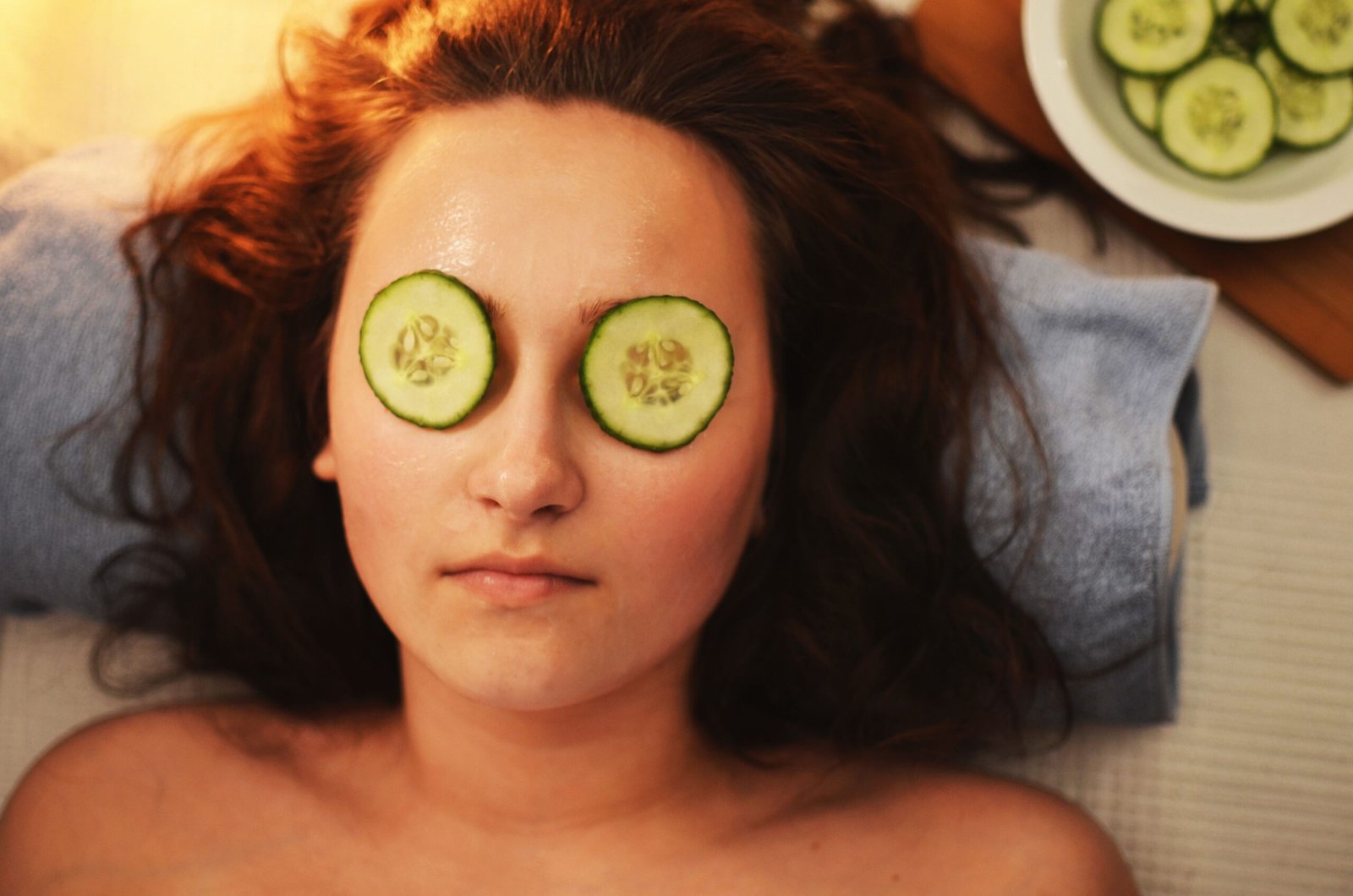
3. Cucumber Slices
Cucumbers combine a cooling effect with antioxidants and flavonoids that help calm inflammation and reduce swollen tissue. Chill slices, then apply over closed eyes for 10 to 15 minutes for a gentle, effective option that also feels soothing.
4. Caffeine Eye Creams
Topical caffeine tightens blood vessels and reduces fluid buildup, which is why it’s one of the most consistently recommended active ingredients specifically for puffiness, distinct from ingredients aimed at dark circles or fine lines. Storing the product in the fridge enhances its cooling, depuffing effect on application.
Longer-Term Prevention
- Sleep 7 to 9 hours nightly: consistent, adequate sleep reduces fluid retention and dilated blood vessels around the eyes over time
- Sleep with your head slightly elevated: an extra pillow or a slightly raised bed head prevents fluid from settling in the under-eye area overnight
- Reduce sodium intake: cutting back on processed and salty foods reduces the water retention that shows up first in this thin, sensitive area
- Avoid drinking fluids right before bed: reduces overnight fluid pooling, complementing the effect of head elevation
- Manage allergies: antihistamines or allergy treatment, discussed with a doctor if symptoms are frequent, address a root cause rather than just the resulting puffiness
- Limit alcohol: reducing intake minimises the mild dehydration that can make puffiness and surrounding discoloration more noticeable
Topical Ingredients Worth Looking For
| Ingredient | What It Does |
|---|---|
| Caffeine | Constricts blood vessels, reduces fluid buildup |
| Retinol | A 2022 study found retinol cream reduced puffiness, wrinkles and dark circles after 12 weeks of use; use cautiously and check with a doctor if pregnant |
| Peptides | Support collagen production, helping firm the thin under-eye skin over time |
| Hyaluronic acid | Hydrates without adding puffiness, useful for dehydration-related under-eye concerns |
Apply eye products by gently patting or tapping rather than rubbing, since the under-eye skin is significantly thinner and more delicate than the rest of the face and can be easily irritated by dragging motions.
Lymphatic Drainage Massage
Gentle lymphatic drainage helps move built-up fluid away from the under-eye area toward the lymph nodes for elimination, which can reduce swelling and fluid retention. Using the ring finger, the lightest-pressure finger, apply gentle pressure starting from the inner corner of the eye and sliding outward toward the temple. This can be done daily as a quick massage or incorporated into a broader skincare routine.
When Puffiness Signals a Medical Issue
Occasional puffiness is rarely a health concern, but see a doctor if swelling is accompanied by redness, pain, or doesn’t improve within a day, since these signs can point to an underlying issue such as an eye infection, chronic sinusitis, or thyroid disease rather than simple fluid retention. Persistent, unexplained swelling that doesn’t respond to standard remedies is also worth a professional assessment.
Medical and Professional Treatments
| Treatment | Best For |
|---|---|
| Dermal fillers | Puffiness caused by volume loss or a hollow appearance beneath the fat pad |
| Chemical peels | Firming skin and reducing mild puffiness alongside texture concerns |
| Laser resurfacing | Stimulating collagen for firmer, less puffy-looking under-eye skin |
| Radiofrequency microneedling | Reducing fat and fluid while tightening skin for a firmer surface |
| Blepharoplasty (eyelid surgery) | Persistent, genetic under-eye bags unresponsive to non-surgical options |
These treatments require consultation with a board-certified dermatologist or oculoplastic surgeon, since the right option depends heavily on the specific underlying cause of the puffiness.
Why Won’t My Under-Eye Puffiness Go Away?
Persistent puffiness that doesn’t respond to sleep, hydration, or cold compresses is often genetic or age-related, meaning it stems from fat pad position or reduced skin elasticity rather than a temporary, correctable cause like fluid retention. In these cases, at-home remedies can reduce the appearance temporarily, but longer-lasting improvement typically requires targeted topical treatment over several weeks or a dermatologist-guided procedure.
Frequently Asked Questions
Does drinking more water help with under-eye puffiness?
Yes, in cases linked to dehydration. Puffiness can sometimes result from the body retaining water when overall hydration is low, so maintaining consistent water intake throughout the day can help reduce puffiness caused by this specific mechanism.
Can under-eye puffiness be a sign of a health condition?
Occasionally. Chronic sinusitis, thyroid disease, and untreated allergies can all contribute to persistent under-eye swelling. If puffiness is new, worsening, or accompanied by other symptoms like fatigue or pain, it’s worth mentioning to a doctor.
Is it normal for puffiness to be worse in one eye?
Mild asymmetry is common and often relates to sleep position, since lying more on one side overnight can cause slightly more fluid pooling on that side. Significant, sudden asymmetry, particularly with pain or redness, warrants a medical check.
How long do at-home remedies take to show results?
Cold compresses, tea bags and cucumber slices typically show a visible difference within 10 to 20 minutes for temporary puffiness. Longer-term interventions, like consistent sleep changes or caffeine eye creams, generally take a few weeks of regular use before producing a noticeable, lasting improvement.
This article is for general information only and is not a substitute for professional dermatological or medical advice. If puffiness is accompanied by pain, redness, or doesn’t improve, please consult a doctor or dermatologist.
About the Author: Written by the Well Ideas editorial team, dedicated to researching and sharing practical, evidence-informed wellness guidance for a healthier everyday life.