Your liver detoxifies itself continuously and doesn’t need a special diet, tea, juice cleanse, or supplement to do its job. This is not a matter of opinion: Healthgrades, backed by peer-reviewed research from the National Institutes of Health, states plainly that there is little evidence-based research supporting liver detox teas, juices, or supplements, and some products may actually be unhealthy for liver function. What genuinely supports liver health is a set of unglamorous, well-evidenced habits: limiting alcohol, eating a balanced diet, staying active, sleeping enough, and avoiding unnecessary exposure to environmental toxins.
Why the Liver Doesn’t Need a “Detox”
The liver performs over 500 essential functions, including filtering blood, metabolising nutrients, producing bile, and converting toxins into less harmful substances your body can safely excrete. It does this work continuously, 24 hours a day, through a complex, built-in chemical process, without needing an external product to activate or assist it. Unless you have an existing liver disease, your liver is already fully capable of detoxifying your body without a special diet or supplement regime.
Common Liver Detox Myths, Debunked
| Myth | Fact |
|---|---|
| The liver needs help detoxifying | The liver has a built-in detoxification system that functions independently unless disease is present |
| Detox diets can repair liver damage | No evidence supports this; a healthy diet supports liver health generally, but short-term detoxes don’t reverse existing damage |
| Juice cleanses improve liver function | Juice cleanses often lack adequate protein and healthy fats; relying solely on juice isn’t a proven way to improve liver health |
| Herbal supplements are automatically safe because they’re “natural” | Some herbal supplements can interfere with medications or actively damage the liver, particularly at high doses or with prolonged use |
| Extended fasting “resets” the liver | Long-term fasting without proper nutrition can drain necessary nutrients and place additional strain on liver function |
| Detox products help with long-term weight loss | No evidence supports this; any weight loss is typically temporary water weight or from calorie restriction alone |
What Actually Supports Liver Health
1. Limit Alcohol
Alcohol is processed almost entirely by the liver, and excessive or prolonged intake is one of the most well-established causes of liver damage, ranging from fatty liver disease to cirrhosis. Reducing or avoiding alcohol is consistently cited across the clinical literature as one of the single most impactful things you can do for liver health.
2. Eat a Balanced, Fibre-Rich Diet
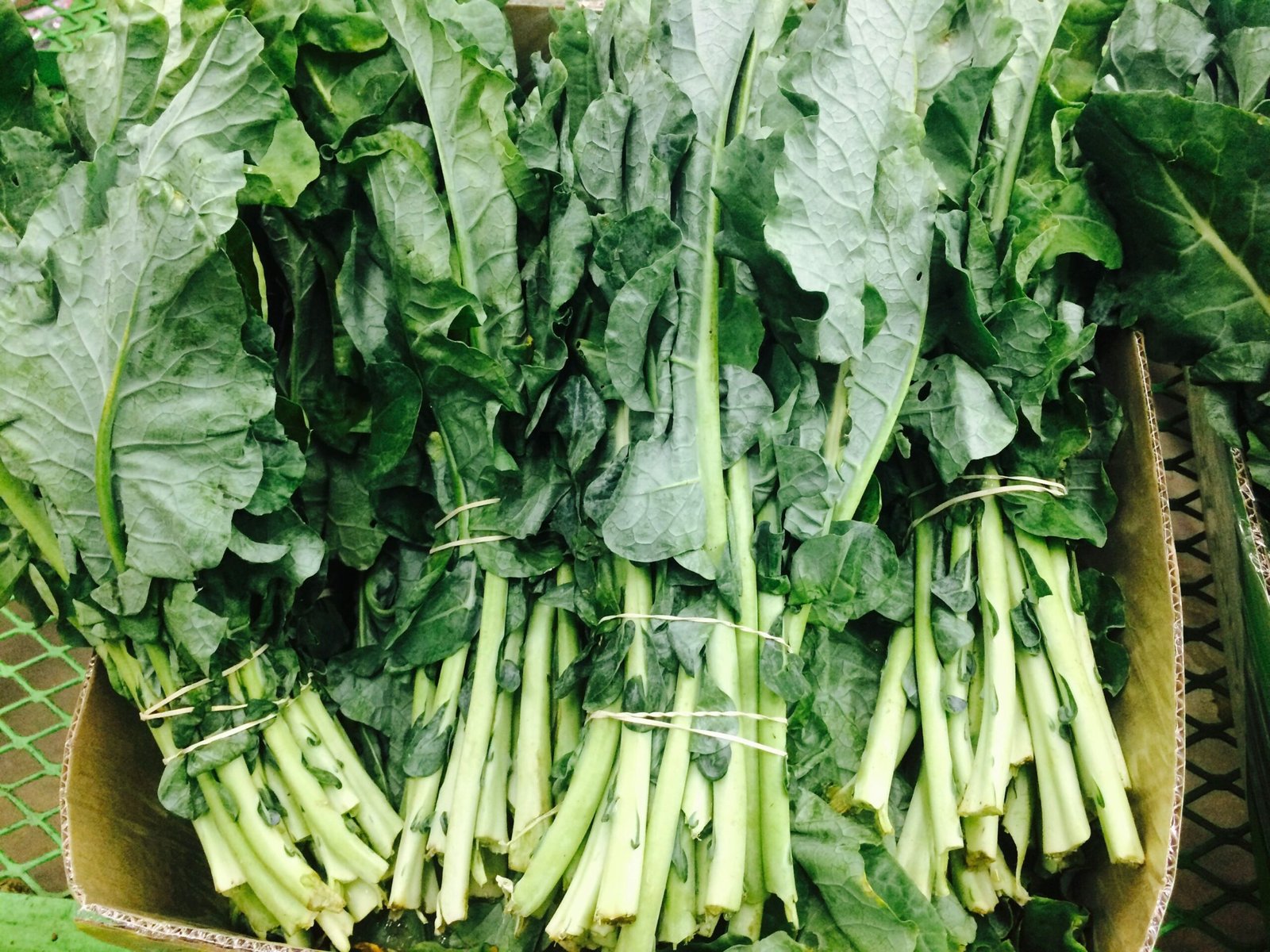
Fibre-rich foods, including oats, lentils and leafy greens, support the liver’s natural filtering processes, while antioxidant-rich foods like berries, beets, nuts and avocado provide compounds that support the liver’s existing detoxification pathways. This isn’t about a specific “liver diet”; it reflects the same balanced eating pattern generally recommended for overall health.
3. Exercise Regularly
Regular physical activity supports overall metabolic health and specifically helps prevent conditions like fatty liver disease, which develops when excess fat accumulates in liver cells, often linked to obesity, insulin resistance and a sedentary lifestyle.
4. Prioritise Sleep
The body’s repair processes, including those in the liver, are most active during sleep. Consistent, adequate sleep supports the liver’s ongoing regeneration and function alongside its broader role in whole-body recovery.
5. Stay Hydrated
Adequate water intake supports the liver’s natural filtering processes, working alongside the kidneys to help the body clear waste products efficiently. Our guide to signs of dehydration covers how to recognise if inadequate fluid intake might already be undermining this and other bodily functions.
6. Limit Unnecessary Medication and Supplement Use
Some over-the-counter medications, including excessive paracetamol/acetaminophen use, can strain or damage the liver, as can certain herbal supplements taken in high doses or combined carelessly with prescription medications. Always follow dosing guidance and consult a doctor or pharmacist before combining supplements with existing medications.
7. Avoid Unnecessary Toxin Exposure
Limiting exposure to environmental toxins, including certain chemicals in cleaning products, pesticides, and cigarette smoke, reduces the overall burden on the liver’s detoxification workload over time.
8. Practise Safe Health Behaviours
Avoiding risky behaviours such as unprotected sex and sharing needles reduces exposure to hepatitis viruses, a significant and preventable cause of liver disease.
Are Any Detox Supplements Worth Considering?
A 2024 JAMA survey study of nearly 10,000 adults found widespread use of herbal and dietary supplements marketed for liver health, including turmeric and green tea extract, despite limited rigorous evidence for most. Turmeric specifically has some research support for liver-protective properties in preliminary studies, but “natural” doesn’t automatically mean safe: certain herbal supplements have been linked to liver damage in case reports, particularly at high doses or with prolonged use. If you’re considering any supplement marketed for liver health, discussing it with a healthcare professional first, particularly if you take other medications, is a reasonable precaution rather than an overreaction.
Signs of Poor Liver Health Worth Taking Seriously
- Persistent fatigue without a clear cause
- Yellowing of the skin or eyes (jaundice)
- Abdominal pain or swelling, particularly in the upper right area
- Dark urine or pale, clay-coloured stools
- Unexplained itching
- Easy bruising or bleeding
These are not symptoms a detox product should be relied on to address. If you notice any of these signs, they warrant a conversation with a doctor and proper testing, not a cleanse.
What Does Actually Help If You’re Worried About Liver Health?
If you’re specifically concerned about liver health, whether from past alcohol use, medication history, or family history of liver disease, the most useful step is a conversation with your GP about liver function testing, not a detox product. A doctor can assess your actual liver function through blood tests and offer personalised guidance based on real data, rather than the generic promises made by detox marketing.
Do Liver Detox Diets Actually Work?
No, not in the way they’re marketed. Peer-reviewed research consistently finds no evidence that detox diets, juices, teas or supplements meaningfully cleanse the liver or repair existing damage, since the liver already performs this function continuously and efficiently on its own, provided it isn’t already diseased. The habits genuinely linked to liver health, limiting alcohol, eating well, exercising, sleeping adequately, and avoiding unnecessary toxin exposure, are consistent, unglamorous, and supported by real evidence, unlike short-term detox products.
Frequently Asked Questions
Does lemon water detox the liver?
No. While staying hydrated does support the liver’s natural filtering processes, there’s no specific evidence that lemon water provides any detoxification benefit beyond what plain water already offers.
Can a short detox diet reverse liver damage from alcohol?
No. There’s no evidence that short-term detox diets repair existing liver damage. A consistently healthy diet and, most importantly, reducing or stopping alcohol intake are what support genuine liver recovery over time, under medical guidance if damage is significant.
Are liver detox teas safe?
Not necessarily. Some detox products, including certain teas and supplements, have been linked in case reports to liver strain or damage rather than benefit, particularly with prolonged or high-dose use. “Natural” does not guarantee safety.
How do I know if I actually need to worry about my liver?
Risk factors include heavy or long-term alcohol use, obesity, type 2 diabetes, viral hepatitis, or a family history of liver disease. If any of these apply to you, or if you notice symptoms like jaundice or persistent fatigue, speak to a doctor about liver function testing rather than relying on a detox product.
This article is for general information only and is not a substitute for professional medical advice. If you have concerns about liver health or symptoms of liver disease, please consult a doctor for proper testing and guidance.
About the Author: Written by the Well Ideas editorial team, dedicated to researching and sharing practical, evidence-informed wellness guidance for a healthier everyday life.