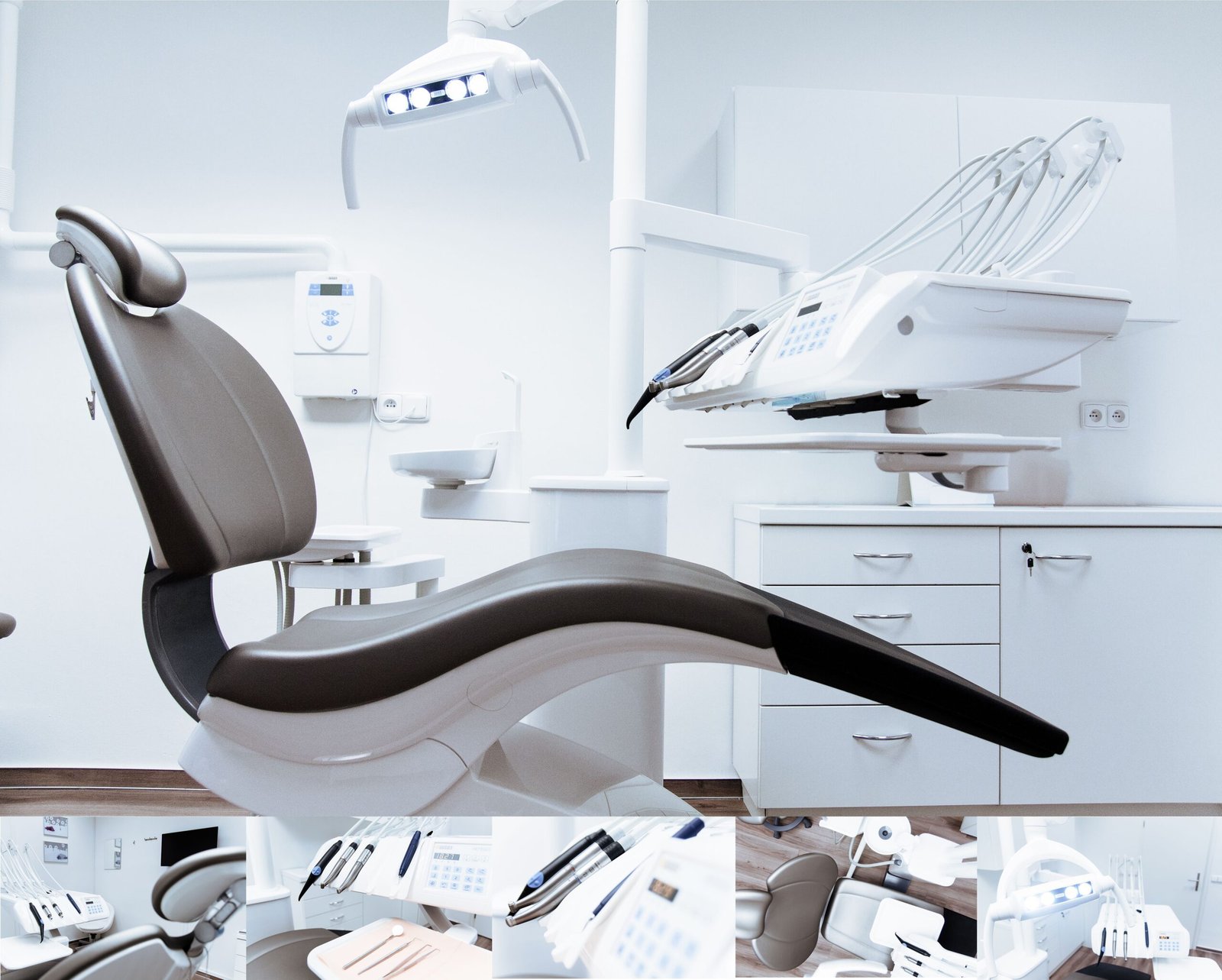
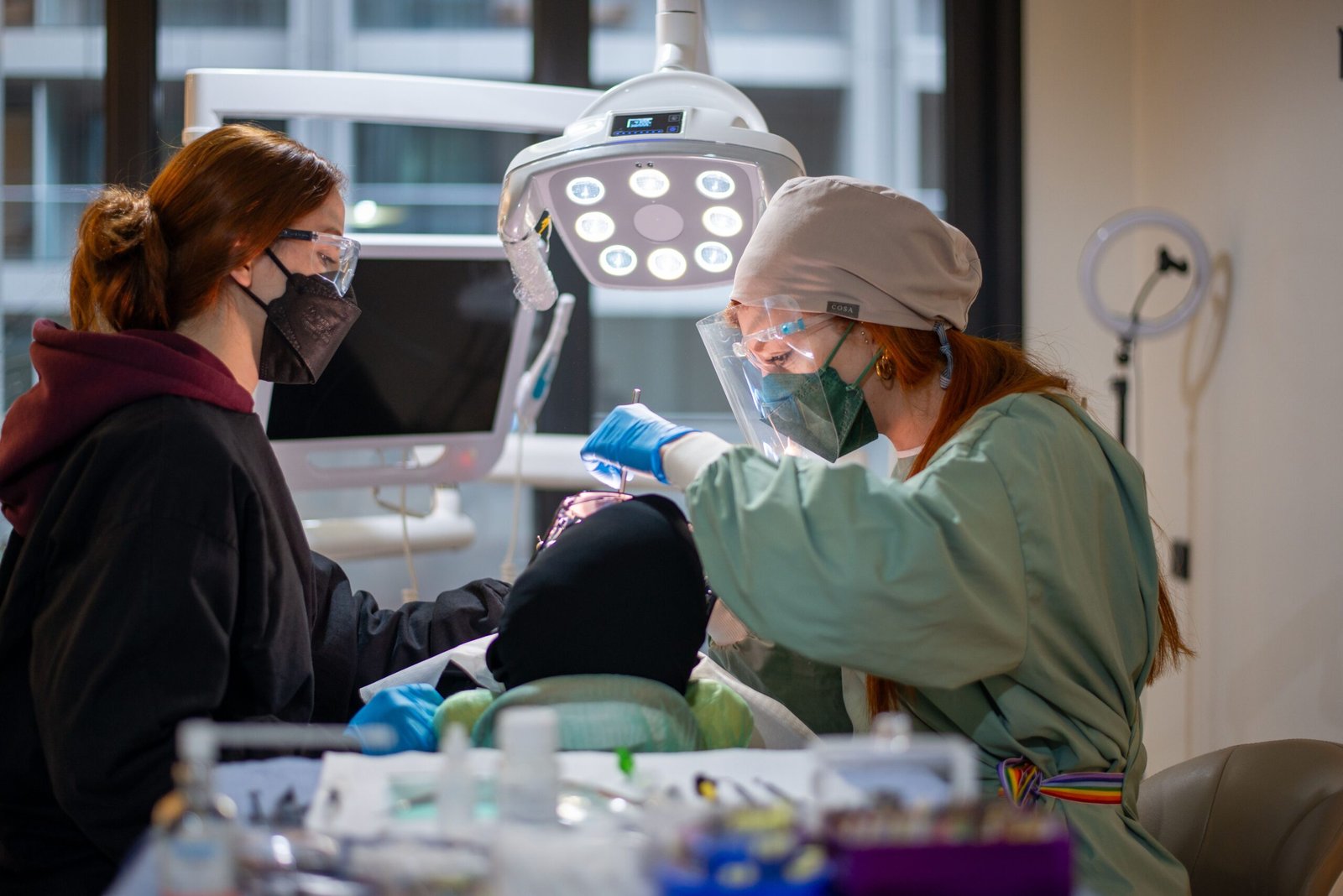
An urgent NHS dental appointment in England costs 27.90 pounds from 1 April 2026. Call your own dentist first if you have one. If you cannot get an appointment, call NHS 111 or use 111 online. NHS 111 will assess your symptoms and direct you to urgent dental care. You should be offered treatment within 24 hours or 7 days, depending on your symptoms. A knocked-out adult tooth should be seen within 1 hour, or as soon as possible.
Is it urgent, or can it wait until morning?
Use this table first. It follows the NHS timescales.
| Problem | How soon you should be seen |
|---|---|
| A knocked-out adult tooth | Within 1 hour, or as soon as possible |
| Severe tooth or mouth pain that affects your sleep or daily activities | Within 24 hours |
| A broken or loose filling, denture, crown, bridge or veneer | Within 24 hours or 7 days, depending on your symptoms |
| Swelling, bleeding, or an abscess that is getting worse | Within 24 hours, or go to A and E if the signs below apply |
| Toothache that lasts more than 2 days, or does not settle with painkillers | Contact a dentist or NHS 111, do not wait for a routine place |
The NHS lists these as reasons to ask for an urgent appointment, or to contact NHS 111: a knocked-out tooth, severe tooth or mouth pain affecting your sleep or daily activities, and a broken or loose filling, denture, crown, bridge or veneer.
Toothache on its own is not an A and E problem. A and E is for the injuries and symptoms in the A and E section below. If you are unsure, call NHS 111. NHS 111 is free, and it is open 24 hours a day, 7 days a week.
What the 27.90 pound urgent charge covers
In England, urgent NHS dental treatment costs 27.90 pounds. This is the same as Band 1. It covers one urgent course of treatment, to deal with the immediate problem. The NHS says urgent treatment can include: examination, assessment and advice; X-rays, if clinically needed; dressing of teeth, which is a temporary filling; emergency partial root canal treatment, for example pulpectomy or vital pulpotomy; management of a knocked-out tooth, or any necessary treatment needed for an injury; refixing inlays, crowns and bridges; removing up to 2 teeth; aftercare, including treatment for infections; adjustment and alteration of false teeth, dentures, or orthodontic appliances such as braces; urgent treatment for severe conditions that come on suddenly, such as ulcers and herpetic lesions; treatment of sensitive teeth which affects parts of the tooth called the cementum or dentine; draining a dental abscess and treating any infection; 1 urgent filling. Routine and non-urgent fillings are a Band 2 treatment.
Out of hours care costs no more than the Band 1 rate, so an evening or weekend appointment through NHS 111 carries the same 27.90 pound charge in England.
What it does not cover, and what follow-up costs
An urgent appointment deals with the immediate problem only. It does not cover routine follow-up treatment. You may need further dental treatment after your urgent appointment, which may have additional costs.
| Follow-up treatment | What you pay in England |
|---|---|
| A permanent filling, root canal treatment, or an extraction as a new course | Band 2, 76.60 pounds |
| A crown, denture, or bridge as a new course | Band 3, 332.10 pounds |
| Further treatment in the same band, or a lower band, within 2 months of finishing a course | Nothing extra |
| Further treatment in a higher band within 2 months | The higher band fee only, not the lower band fee as well |
| Further treatment after 2 months have passed | The full charge for the new course |
Some things carry no charge at all: having stitches removed, stopping bleeding from your mouth, for example after a tooth extraction, and repairing false teeth, dentures, if they can be repaired. If they cannot be repaired, you will have to pay for new ones.
Our guide to NHS dental bands explains what each band covers and the one charge per course rule: NHS Dental Bands Explained
Who pays nothing
You get free NHS dental treatment in England if, at the time you start treatment, you are under 18, or under 19 in full-time education, pregnant or have had a baby in the last 12 months, or you receive a qualifying benefit, including a qualifying award of Universal Credit, Income Support, income-based Jobseeker’s Allowance, income-related Employment and Support Allowance, or Pension Credit Guarantee Credit. You may also qualify through the NHS Low Income Scheme with an HC2 certificate.
Take proof of any exemption with you, such as a maternity exemption certificate or an HC2 certificate. If you do not have proof, the form may be marked as no evidence seen, and it will be checked later. If you are not sure you qualify, the NHS leaflet HC11 says to pay and claim a refund on form HC5(D) within 3 months.
Our free dental care guide covers every route in full: Free and Low-Cost Dental Care in the UK
How to get an appointment, step by step
Follow these steps in order.
- Call your own dentist first, if you have one. Ring as soon as the practice opens. Ask for an urgent NHS appointment today. Some practices keep urgent slots, and they will provide care if it is clinically necessary.
- If your own dentist cannot see you, or you do not have one, call NHS 111 or use 111 online. Say which symptom you have. NHS 111 will assess your symptoms and direct you to urgent dental care, including evenings and weekends.
- If NHS 111 directs you to an urgent dental service, go to the appointment it gives you. It may not be at your usual practice. You may be directed to an urgent dental care centre or another practice offering urgent slots.
- If you need routine care after the urgent visit, book it as a routine course. Do not wait for the practice to call you. Use our guide to finding a dentist taking new patients: How to Find an NHS Dentist Accepting New Patients in the UK
You do not need to be registered with a dentist first to get urgent NHS care. The NHS says you can contact any NHS dentist and ask for an appointment if you have symptoms. Do not contact your GP for urgent dental care. A GP cannot offer emergency or out of hours dental care.
What to say when you phone
Use this script for a practice. It takes about one minute.
“Hello, I need an urgent NHS dental appointment. I have severe tooth pain, and it is affecting my sleep. Are you taking urgent NHS patients today? If not today, when is your next urgent appointment? If you cannot see me, can you tell me who I should call next?”
Then ask these follow-up questions, and write the answers down.
- Is this an NHS urgent appointment, and is the charge 27.90 pounds?
- What time should I arrive, and how long should I allow?
- What should I bring with me?
- If the pain gets worse before then, should I call you, or call NHS 111?
Use this script for NHS 111. Say which symptom you have, in plain words.
“Hello, I need urgent dental help. I have severe tooth pain, and it is affecting my sleep. I do not have a dentist who can see me today. Can you direct me to urgent dental care?”
NHS 111 will ask about your symptoms. Answer in plain words. It will tell you what to do next, and it can book you into an urgent dental service.
What to do in the first 15 minutes while you wait
Do these things while you wait for your appointment, or for NHS 111 to call back.
- Stay calm, and do not drive yourself if you are in severe pain or you feel unwell. Ask someone to drive you, or call 999 if the A and E signs below apply.
- Ask a pharmacist for advice on pain relief while you wait. A pharmacist can advise on painkillers, and on problems affecting your teeth and mouth, such as toothache, bleeding gums, and mouth ulcers that you have had for less than two weeks.
- Put a cold compress on the outside of your cheek, if it helps the swelling. Do not put ice directly on a tooth.
- Rinse your mouth with warm salt water, if it helps, and do not try to remove a broken tooth or a filling yourself.
- Gather what to bring: proof of any exemption, a list of medicines you take, and your NHS number if you know it. Take your phone, so you can call NHS 111 again if the pain gets worse.
- Keep a note of who you called, the time, and what they said. Re-check your appointment time, and leave enough time to travel.
If you notice bleeding gums, persistent bad breath, a loose filling, or a tooth that is sensitive to hot or cold for more than a few days, call NHS 111 for advice, even if you do not yet have a dentist. Our plaque guide explains the difference between soft plaque and tartar, and what a gum score means: How to Remove Plaque From Teeth and Improve Gum Health
When to go to A and E or call 999
Go to A and E, or call 999, for these signs. Do not wait for a dental appointment.
- A serious injury to your face or jaw
- Heavy bleeding from your mouth which will not stop
- Severe swelling of the mouth, lips, throat or neck, with difficulty breathing, or difficulty opening one or both eyes
- Any head or face injury causing loss of consciousness, vomiting, or double vision
Do not drive yourself to A and E. Ask someone to drive you, or call 999 for an ambulance. Toothache on its own goes to NHS 111 or a dentist, not to A and E.
How England, Wales, Scotland and Northern Ireland differ
Dental charges are devolved. The England figures in this guide do not apply in the other UK nations.
| Nation | Urgent dental charge |
|---|---|
| England | 27.90 pounds for urgent treatment, the same as Band 1 |
| Wales | 37.50 pounds for its urgent care package, from 1 April 2026 |
| Scotland | The examination itself is free for residents, and other treatment costs 80 percent of the fee, up to 384 pounds a course |
| Northern Ireland | 80 percent of the dentist’s fee, up to 384 pounds a course, and out of hours emergency treatment is listed among Health Service treatments |
Wales, Scotland and Northern Ireland use different charging systems. Check your own nation’s NHS site before you act, and do not use England prices to plan treatment in another nation.
NHS or private emergency appointment, what the price difference buys
If you cannot get an NHS urgent appointment, a private emergency appointment is an option, but it costs much more, and the fee may not include the treatment.
Private emergency appointment fees published by Bupa Dental Care, checked 22 to 23 October 2026, were 74 pounds at Partick West in Glasgow, from 110 pounds in Islington, 123 pounds in Newtownabbey, 139 pounds in Sale, and 170 pounds in Trowbridge. The price lists show treatments as separate items, so ask what the emergency fee includes before you book. For example, at Trowbridge, if a tooth extraction from 190 pounds is charged on top of the 170 pound appointment, the visit costs at least 360 pounds.
Compare that with the NHS urgent course in England, which costs 27.90 pounds and covers the examination, X-rays, a temporary filling, draining an abscess, and removing up to 2 teeth. A private emergency slot before trying NHS 111 is the most common mistake that costs money. Try your own dentist first, then NHS 111, before you book a private slot.
Our NHS versus private guide explains the price, waiting time and material differences: NHS vs Private Dental Care
Frequently Asked Questions
How much does an emergency NHS dentist cost?
An urgent NHS dental appointment in England costs 27.90 pounds from 1 April 2026. The urgent charge covers assessment, X-rays, a temporary filling, removing up to 2 teeth, draining an abscess, and one urgent filling. Anyone exempt from NHS dental charges pays nothing.
Can I see an emergency dentist if I do not have a dentist?
Yes. The NHS says you can get advice from NHS 111, or contact any NHS dentist and ask for an appointment if you have symptoms. You do not need to be registered with a dentist first. You pay the 27.90 pound urgent charge in England, unless you are exempt.
How do I get an emergency dentist appointment out of hours?
Call NHS 111 or use 111 online. NHS 111 is free, and it is open 24 hours a day, 7 days a week. It will assess your symptoms and direct you to an urgent dental service, including evenings and weekends. Out of hours care costs no more than the Band 1 rate in England, so the charge is still 27.90 pounds.
Should I go to A and E for toothache?
No, toothache on its own goes to NHS 111 or a dentist, not to A and E. Go to A and E, or call 999, for a serious injury to your face or jaw, heavy bleeding which will not stop, severe swelling with difficulty breathing, or a head or face injury causing loss of consciousness, vomiting, or double vision.
What if I need more treatment after the emergency visit?
You may need further dental treatment after your urgent appointment, which may have additional costs. A permanent filling, root canal treatment, or an extraction as a new course is Band 2, 76.60 pounds. A crown, denture, or bridge as a new course is Band 3, 332.10 pounds. If the further treatment is in the same band, or a lower band, within 2 months, you pay nothing extra.
Is a knocked-out tooth an emergency?
Yes. The NHS lists a knocked-out tooth as an urgent symptom for NHS 111, and says an adult with a knocked-out tooth should be offered emergency dental care within 1 hour, or as soon as possible. Contact a dentist or NHS 111 straight away. Management of a knocked-out tooth is part of the 27.90 pound urgent course in England.
Conclusion
An urgent NHS dental appointment in England costs 27.90 pounds, and it deals with the immediate problem only. Call your own dentist first, then call NHS 111 or use 111 online if you cannot get an appointment. Use the script in this guide, take proof of any exemption, and write down what you are told. If you need follow-up treatment, check the band before you agree to it, and use the two month rule. If you have the A and E signs in this guide, go to A and E or call 999 now, and do not wait for a dental appointment.
Sources: NHS, How much NHS dental treatment costs ; NHS Business Services Authority, What are the NHS dental charges ; NHS Business Services Authority, Help with NHS dental costs ; NHS, Find a dentist
This article is for general information only and is not a substitute for professional dental advice. If you have tooth pain, swelling, bleeding that will not stop, or difficulty breathing or swallowing, seek urgent care.