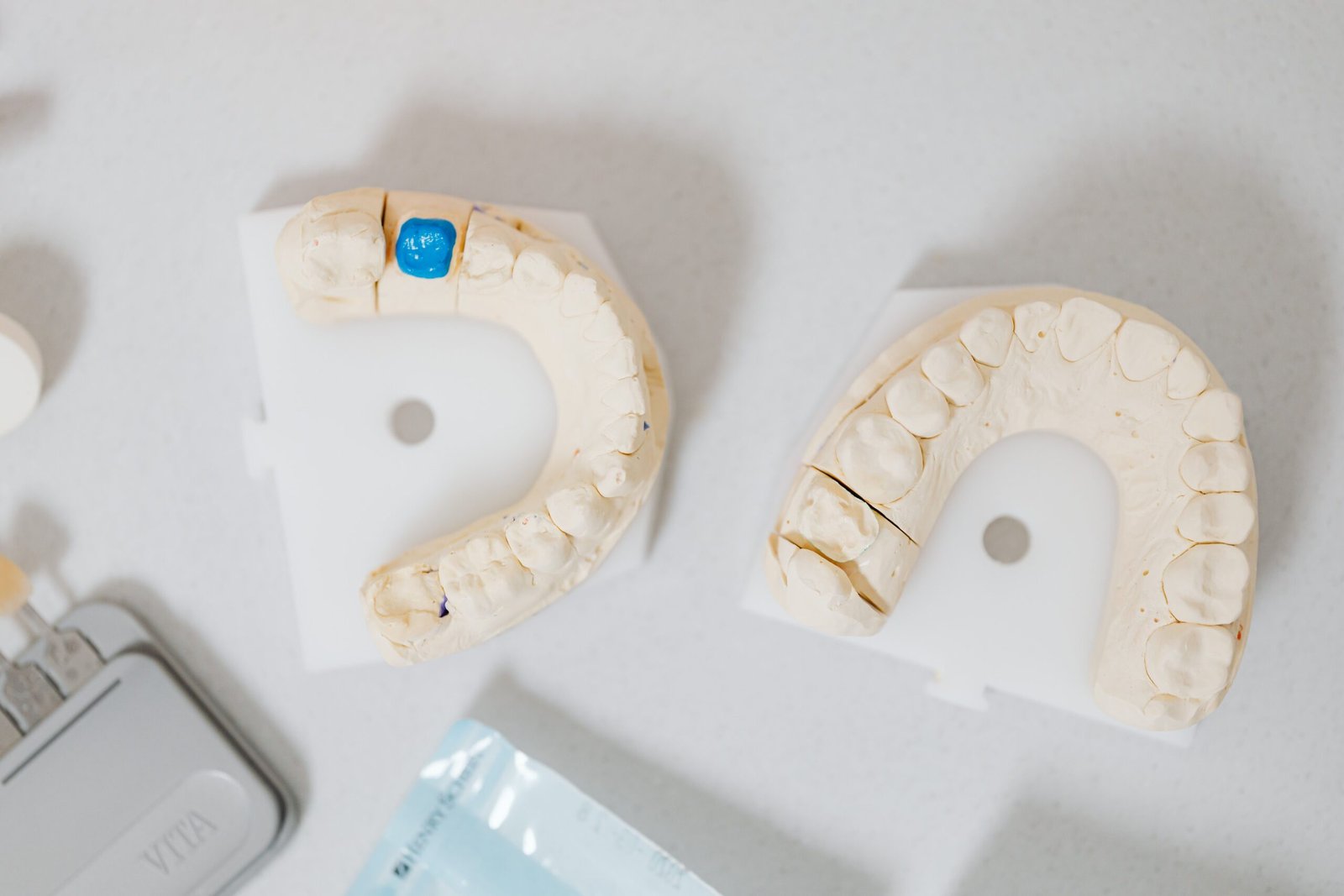
Use the NHS Find a dentist service in England, then phone the practice to confirm. Search by town, city or postcode, make a shortlist of practices that say they are accepting new NHS patients, and ask for adults and children separately. In England there is no GP style registration, so a listing is not an appointment. If no practice can take you, contact your local Integrated Care Board.
Start with the NHS Find a dentist service
In England, start with the official NHS Find a dentist service. Search by town, city or postcode. The service lists practices near you and shows whether each practice says it is accepting new NHS patients for routine check-ups, or offering urgent or specialist care. Use this link: NHS Find a dentist
Treat the result as a starting point, not a guarantee. A practice can fill its NHS places between updates. Always phone to confirm before you travel.
Make a shortlist of three or four practices you can realistically reach for regular visits. You do not have to use the nearest practice. There is no catchment area for NHS dentists in England, so you can try a practice near work, near family, or in the next town.
Write down for each practice: the name, the phone number, the date you called, the name of the person you spoke to, and what they said. This record matters if you need to call back, join a waiting list, or contact your Integrated Care Board later.
What accepting new patients really means
Accepting new patients usually means the practice is taking people for routine NHS check-ups at the time it last updated its listing. It does not mean you have an appointment. It does not mean the practice will keep a place for you in future.
Ask the practice to confirm three things: that it is taking new NHS patients now, whether that covers adults and children, and whether you will get an appointment or join a waiting list first.
Some practices offer NHS and private care at the same practice. Say NHS at the start of the call. If you do not, you may be offered a private appointment by mistake.
At your first visit, the practice may ask you to fill in a form headed registration. In England, this is an administrative form for that course of treatment. It does not give you a permanent right to NHS care at that practice in future. Once your course of treatment ends, the practice is not required to keep you on its NHS list.
Scotland is different. In Scotland, you normally register with a dental practice and stay registered unless you or the practice asks for that registration to end. Check the Scotland section below before you use the England steps.
What to ask when you phone a practice
Use this script. It takes about two minutes, and it avoids the most common mistake, which is to accept a private appointment when you wanted NHS care.
“Hello, I am looking for an NHS dentist. Are you taking new NHS patients at the moment? I need an NHS check-up for [an adult / a child / two adults and one child]. If you are not taking new patients now, do you have an NHS waiting list I can join? If so, how long is the wait likely to be, and will you contact me, or should I call back?”
Then ask these follow-up questions, and write the answers down.
- Are you taking new NHS adults, new NHS children, or both?
- Is the first appointment a routine check-up, and how soon could it be?
- If I join a waiting list, what is my position, and what date should I call back?
- What should I bring to the first appointment?
- If I am in pain while I wait, should I call you, or call NHS 111?
Call in mid-morning or mid-afternoon if you can. Reception desks are often busiest first thing in the morning. Be polite and direct. If the answer is no, thank them, ask about the waiting list, and move to the next practice on your list. Do not wait for one practice to call you back before you try the others.
Ask about adults and children separately
Always ask about adults and children separately. This is one of the most useful steps in this guide, and it is easy to miss.
Some practices take NHS children when they are not taking NHS adults. Some take adults only. A practice that says no to an adult may still have a place for a child, and the reverse can also be true.
Children under 18 get free NHS dental treatment in England. Children under 19 in full-time education also get free treatment. Ask what proof the practice needs, and ask what happens if your child turns 18 during a course of treatment. Our guide to free and low-cost dental care explains the age rules and the proof to take: Free and Low-Cost Dental Care in the UK
If you are searching for a child, ask these two questions as well: do you take NHS children for routine check-ups, and do you offer NHS orthodontic assessment if it is needed? Orthodontics is assessed on clinical need, not on request alone.
Waiting lists and what joining one does not guarantee
A waiting list is not an appointment. Joining a waiting list does not guarantee you an NHS appointment at that practice in future, and it does not give you a place in a queue that the practice must honour by a set date.
Join more than one waiting list if you can. There is no rule in England that stops you joining waiting lists at more than one practice. Keep a note of each list, the date you joined, and the date you were told to call back.
Ask the practice: how long is the wait likely to be, will you contact me when a place opens, and should I call back in four weeks if I hear nothing? If the practice cannot give a time, ask if it can suggest another practice that is taking patients now.
Re-check the NHS Find a dentist service once a week while you wait. Availability changes quickly. A practice that was full last week may have a place this week, and a practice that was listed as accepting patients may have filled its places by the time you call.
If no practice near you is taking patients
If you have called three or four practices and none can take you, do not stop there. Use these steps in order.
- Widen the search. Try the next town, a practice near work, or a practice on a bus or train route you use. Distance matters less than getting a place.
- Contact your local Integrated Care Board in England. Integrated Care Boards commission NHS dental services in their area. The NHS says an Integrated Care Board may be able to tell you where you can get a local appointment. Find your local board through NHS England, and ask specifically about NHS dental availability, not general dental advice.
- Contact your local Healthwatch in England. Healthwatch is an independent champion for health and social care. Your local branch often knows which practices in your area have recently opened their NHS lists.
- Ask about a dental school or community dental service if you live near one. Dental schools offer supervised student treatment, often free or at low cost, but appointments take longer and waiting lists can be long. Community dental services are for people who cannot use an ordinary high street practice because of additional needs, and access is usually by referral.
- Keep your name on waiting lists, and re-check the NHS finder weekly.
If you are in pain while you wait, do not wait for a routine place. Call NHS 111 or use 111 online. NHS 111 can direct you to urgent dental care, even if you are not registered with a dentist. Urgent NHS treatment in England costs 27.90 pounds, the same as Band 1. That charge covers the urgent course, not routine follow-up treatment, which may carry a separate charge.
For severe swelling of the face or neck, heavy bleeding that will not stop, or difficulty breathing or swallowing, go to A and E or call 999.
How England, Wales, Scotland and Northern Ireland differ
Dental care is devolved. The England steps above do not apply in the same way in the other UK nations.
| Nation | How to find an NHS dentist | Registration |
|---|---|---|
| England | Use NHS Find a dentist, then phone the practice. Contact your Integrated Care Board if no practice can take you. | No GP style registration. You are accepted for a course of treatment. |
| Scotland | Use NHS Inform to find a dentist, then contact the practice about registration. Contact your local NHS health board if you need help. | You normally register with a practice and stay registered unless you or the practice asks for that to end. |
| Wales | Use the NHS Wales Dental Access Portal to register your interest in routine NHS dental care. Local health boards use it to offer places. For urgent help, call NHS 111 Wales. | Apply through the Dental Access Portal. You need to be 16 or over, or a parent or guardian can apply for a younger child. |
| Northern Ireland | Use the Health and Social Care service finder, then contact practices directly about registration. | Patients normally register with a Health Service dentist for continuing care. |
Charges also differ. In England, from 1 April 2026, Band 1 costs 27.90 pounds, Band 2 costs 76.60 pounds, and Band 3 costs 332.10 pounds. Our guide to NHS dental bands explains what each band covers and the one charge per course rule: NHS Dental Bands Explained
Wales, Scotland and Northern Ireland use different charging systems. Do not use England prices to plan treatment in another nation.
What it costs, and who pays nothing
Most adults in England pay for NHS dental treatment. The charge depends on the band, not on the number of items in that course.
| Band | England charge from 1 April 2026 | What it covers |
|---|---|---|
| Band 1 | 27.90 pounds | Examination, diagnosis, X-rays if clinically needed, advice, and simple gum treatment if clinically needed |
| Band 2 | 76.60 pounds | Everything in Band 1, plus fillings, root canal treatment, extractions, and extensive gum treatment |
| Band 3 | 332.10 pounds | Everything in Bands 1 and 2, plus crowns, dentures, bridges, and orthodontic treatment |
| Urgent treatment | 27.90 pounds | Urgent care to relieve pain or stop a problem getting worse |
You pay one charge per course of treatment, even if that course needs more than one appointment. If you need further treatment from the same or a lower band within two months of finishing a course, you pay nothing extra. If it is a higher band, you pay the difference up to the new band charge.
You get free NHS dental treatment in England if, at the time you start treatment, you are under 18, or under 19 in full-time education, pregnant or have had a baby in the last 12 months, or you receive a qualifying benefit, including a qualifying award of Universal Credit, Income Support, income-based Jobseeker’s Allowance, income-related Employment and Support Allowance, or Pension Credit Guarantee Credit. You may also qualify through the NHS Low Income Scheme with an HC2 certificate.
Check your eligibility before you tick an exemption box. If you claim free treatment and you are not entitled to it, you can face a penalty charge. Our free dental care guide covers every route in full: Free and Low-Cost Dental Care in the UK
If you cannot find an NHS dentist and you are considering private care as a temporary step, compare the costs first. Our NHS vs private guide explains the price, waiting time and material differences: NHS vs Private Dental Care
What to do while you wait for routine care
Waiting for a routine place does not mean doing nothing. These steps keep your teeth and gums in the best state you can manage while you wait, and they reduce the chance that a small problem becomes urgent.
Brush twice a day for two minutes with fluoride toothpaste, and clean between your teeth every day with floss or interdental brushes. Do not try to remove hardened tartar at home. Only a professional scale and polish removes tartar safely. Our plaque guide explains the difference between soft plaque and tartar, and what a gum score means: How to Remove Plaque From Teeth and Improve Gum Health
If you notice bleeding gums, persistent bad breath, a loose filling, or a tooth that is sensitive to hot or cold for more than a few days, call NHS 111 for advice, even if you do not yet have a dentist. Do not wait for a routine appointment if pain is getting worse, swelling is spreading, or you have a fever with tooth pain.
Keep a simple note on your phone: the practices you called, the dates, what each one said, and the next date to call back. Re-check the NHS finder once a week. If a practice offers you a place, take it, even if the first appointment is a few weeks away. You can change practice later if a nearer practice opens a place.
Frequently Asked Questions
Do I need to register with an NHS dentist like a GP?
No, not in England. There is no GP style registration for NHS dentists in England. You contact a practice directly and ask for an NHS appointment. A form headed registration at your first visit is for that course of treatment only, and it does not guarantee future NHS care at that practice. Scotland is different, and you normally register with a practice there.
Can I use any NHS dentist, or only the one nearest my home?
You can contact any NHS dentist in England. There is no catchment area. You can use a practice near work, near family, or in the next town, as long as it has NHS capacity to take you.
What should I say when I phone a dental practice?
Say you want an NHS appointment, and ask if the practice is taking new NHS patients now. Ask about adults and children separately, ask if there is a waiting list, and ask how long the wait is likely to be. Use the script in the phone section above, and write the answers down.
What if no NHS dentist near me is taking new patients?
Widen your search, join more than one waiting list, contact your local Integrated Care Board in England, and contact your local Healthwatch. Re-check the NHS Find a dentist service weekly. For pain or urgent problems, call NHS 111. Do not wait for a routine place if you need urgent care.
Is NHS dental treatment free for children?
Yes, in England, children under 18 get free NHS dental treatment. Children under 19 in full-time education also get free treatment. Ask the practice what proof it needs, and what happens if your child turns 18 during a course of treatment.
How much is a first NHS dental check-up in England?
A first check-up is normally Band 1, which costs 27.90 pounds in England from 1 April 2026, unless you qualify for free treatment. If the dentist finds work that falls in a higher band during that course, you pay the higher band charge only, not the Band 1 charge as well.
Conclusion
Finding an NHS dentist is a search and phone task, not a registration task in England. Use the NHS Find a dentist service to build a shortlist, phone each practice, ask for NHS care by name, and ask about adults and children separately. Join more than one waiting list, keep a note of every call, and re-check weekly. If no practice can take you, contact your Integrated Care Board and your local Healthwatch. If you are in pain, call NHS 111 now, and do not wait for a routine place.
Sources: NHS Find a dentist ; NHS England How to find an NHS dentist ; NHS Business Services Authority Help with NHS dental costs ; NHS Business Services Authority What are the NHS dental charges
This article is for general information only and is not a substitute for professional dental advice. If you have tooth pain, swelling, bleeding that will not stop, or difficulty breathing or swallowing, seek urgent care.