Quail eggs contain slightly more protein, fat and key micronutrients per gram than chicken eggs, including more vitamin B12, riboflavin and iron. But because a quail egg weighs roughly a fifth of a chicken egg, you’d need three to five to match the nutrition of one chicken egg, meaning the practical, whole-diet difference is genuinely modest for most people. Their real distinguishing features are a lower allergen profile for some people, and a growing body of preliminary research into their bioactive compounds.
What Are Quail Eggs?
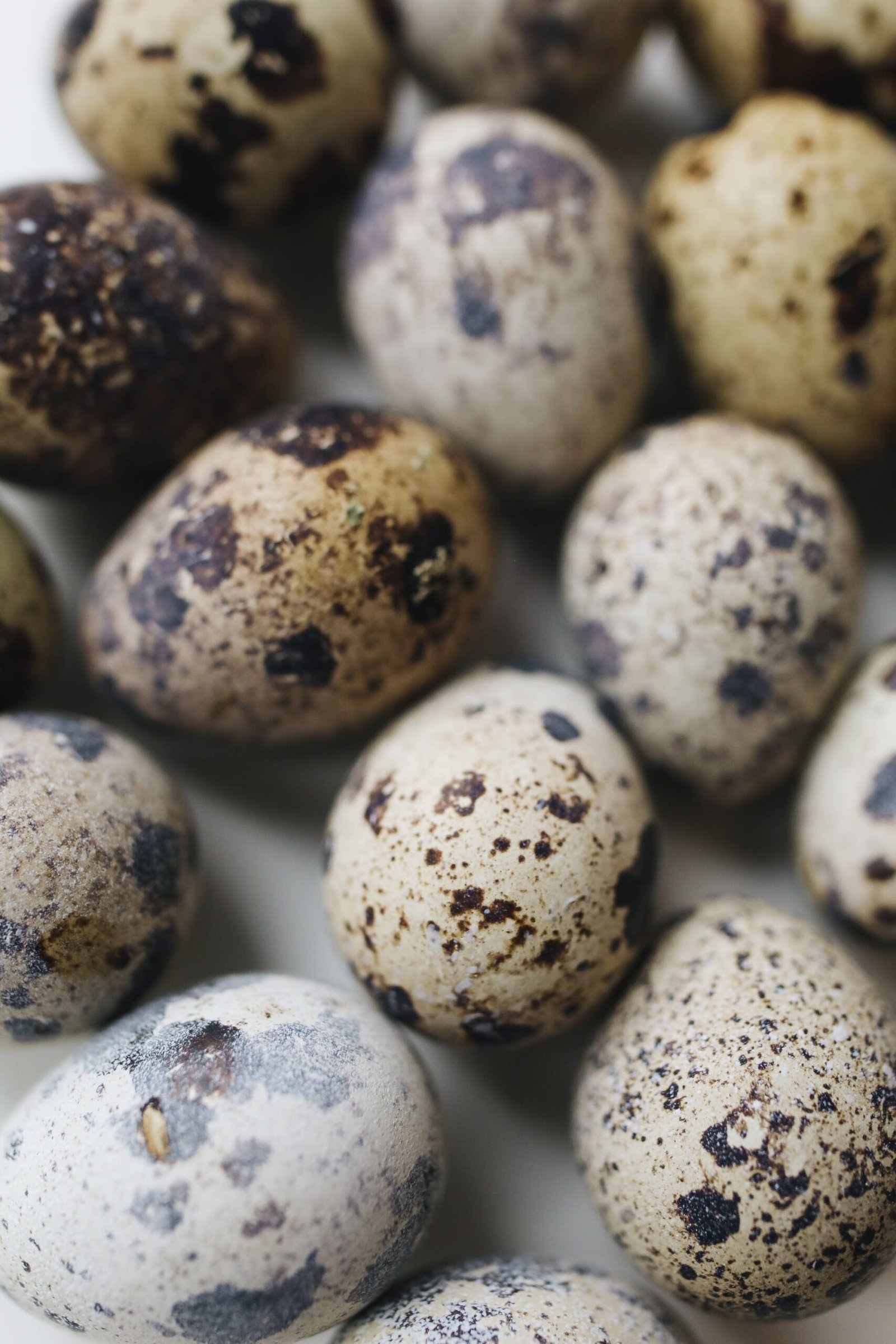
Quail eggs are the eggs of quail, small birds in the pheasant family, recognisable by their distinctive speckled, mottled shells. Considered a delicacy in many parts of the world, they’ve long featured in Japanese sushi and bento, Filipino street food, Vietnamese beer snacks, and Korean grocery staples. Each egg weighs roughly 10 to 15 grams, about a fifth the size of a standard chicken egg, with a noticeably higher yolk-to-white ratio that gives them a richer, creamier flavour.
Nutritional Comparison: Quail Eggs vs Chicken Eggs
| Nutrient (per 100g) | Quail Eggs | Chicken Eggs |
|---|---|---|
| Protein | Slightly higher | Slightly lower |
| Fat | Slightly higher | Slightly lower |
| Iron | Notably higher per gram | Lower |
| Vitamin B12 | Higher per gram | Lower |
| Cholesterol | ~844mg | ~372mg |
According to USDA FoodData Central figures, quail eggs contain slightly more protein, fat and key micronutrients like vitamin B12, riboflavin and iron per gram than chicken eggs. A 2014 study published in the Bangladesh Journal of Nutrition specifically confirmed quail eggs have higher protein and mineral content than chicken eggs on a like-for-like basis. However, because quail eggs are so much smaller, you’d typically need three to five of them to match the protein in a single chicken egg, which is why researchers and dietitians consistently describe the practical, whole-diet difference as modest for most people.
Does Higher Cholesterol Make Quail Eggs Less Heart-Healthy?
Quail eggs contain considerably more cholesterol per 100g than chicken eggs, roughly 844mg compared to 372mg. This sounds alarming at first glance, but current nutrition science treats dietary cholesterol very differently than it did a decade ago. Research indicates cholesterol gained from diet has a minimal relationship to heart disease for most people, and a 2020 meta-analysis published in the BMJ found no consistent link between egg intake and heart disease risk once overall diet quality was accounted for. This means the higher cholesterol figure alone isn’t a strong reason to avoid quail eggs for most healthy adults, though anyone with an existing cholesterol condition should still discuss egg intake specifically with their doctor.
Are Quail Eggs Genuinely Lower in Allergens?
One of the more interesting, evolving areas of research concerns allergies. Quail eggs are naturally lower in certain allergenic proteins, including ovomucoid, compared to chicken eggs, which is why some people with mild chicken egg sensitivities tolerate quail eggs more comfortably. A 2018 study published in Scientific Reports found that quail egg consumption was associated with alleviating allergic symptoms such as sneezing, a runny nose and congestion in some participants. This remains an early area of research, and the study’s authors themselves note that further investigation is still needed before firm conclusions can be drawn.
Bioactive Compounds: What’s Genuinely Being Studied
Beyond basic nutrition, scientists have identified bioactive peptides and antioxidants in quail eggs that may help protect cells from oxidative stress. A 2018 laboratory study by Frossard and colleagues found that quail egg homogenate reduced inflammation markers in a mouse model. This is preliminary, mechanistic research, not evidence of a proven human health outcome, but it does point to genuinely active compounds worth further study, rather than purely marketing-driven “superfood” claims.
What’s Genuinely Well-Established vs Preliminary
| Claim | Evidence Status |
|---|---|
| Slightly higher protein and minerals per gram than chicken eggs | Well established, confirmed by USDA data and peer-reviewed comparison studies |
| Dietary cholesterol has minimal impact on heart disease for most people | Well supported by recent large-scale meta-analyses (BMJ, 2020) |
| Lower allergen profile for some individuals with mild chicken egg sensitivity | Emerging, based on preliminary human and laboratory research |
| Anti-inflammatory and antioxidant effects | Preliminary, currently based on laboratory and animal studies, not confirmed in humans |
How to Cook and Use Quail Eggs
- Boiled: since quail eggs are much smaller, they cook in roughly half the time of a chicken egg; a common street food snack across several countries
- Fried or as a garnish: their small size and creamy yolk make them a popular topping for salads, ramen and gourmet dishes
- Pickled: their small size means they absorb brine quickly, making them a popular pickling choice for bite-sized, flavourful snacks
- Raw or lightly cooked: used in some cuisines, including as tamago in sushi; note that quail eggs sold commercially aren’t always pasteurised, so thorough cooking is generally advised for food safety
Practical Considerations
- Cost: quail eggs typically cost more per dozen than chicken eggs, given their smaller size and lower yield per bird
- Availability: increasingly available at supermarkets, specialty markets and farmers’ markets, though still less ubiquitous than chicken eggs
- Food safety: unlike commercially sold chicken eggs in some regions, quail eggs aren’t always pasteurised, so thorough cooking is recommended, particularly for anyone immunocompromised or pregnant
If you’re focused on protein density from other whole-food sources, our guide to pistachio benefits covers another nutrient-dense food with a well-researched, rigorously studied evidence base worth considering alongside quail eggs.
Are Quail Eggs Actually Healthier Than Chicken Eggs?
The honest answer, echoed across multiple nutrition sources, is that studies show quail and chicken eggs are nutritionally nearly identical once you account for portion size. Quail eggs edge out chicken eggs on a per-gram basis for several nutrients, but the practical difference disappears once you adjust for how many quail eggs you’d need to eat to match a single chicken egg. The better choice for most people comes down to accessibility, cost, culinary use, and in some cases, individual allergy tolerance, rather than one being definitively “healthier” than the other.
Frequently Asked Questions
Can people with a chicken egg allergy safely eat quail eggs?
Not automatically. While quail eggs are lower in certain allergenic proteins and some people with mild sensitivities tolerate them better, cross-reactivity between bird egg allergies is possible. Anyone with a diagnosed chicken egg allergy should consult a doctor or allergist before trying quail eggs, rather than assuming they’re a safe alternative.
How many quail eggs equal one chicken egg?
You generally need three to five quail eggs to match the nutritional content, particularly protein, of one standard chicken egg, given the significant size difference between the two.
Do quail eggs need to be refrigerated?
Quail eggs can be stored similarly to chicken eggs, either refrigerated or at room temperature depending on whether they’ve been washed. Their thicker shells and intact natural protective coating can help them stay fresh slightly longer when left unwashed.
Are quail eggs safe to eat raw?
Some cuisines use quail eggs raw or lightly cooked, but because they aren’t always commercially pasteurised, thorough cooking is the generally recommended, safer approach, particularly for pregnant women, young children, older adults, or anyone with a weakened immune system.
This article is for general information only and is not a substitute for professional medical or dietary advice. If you have an egg allergy or are pregnant, please consult a doctor before adding quail eggs to your diet.
About the Author: Written by the Well Ideas editorial team, dedicated to researching and sharing practical, evidence-informed wellness guidance for a healthier everyday life.