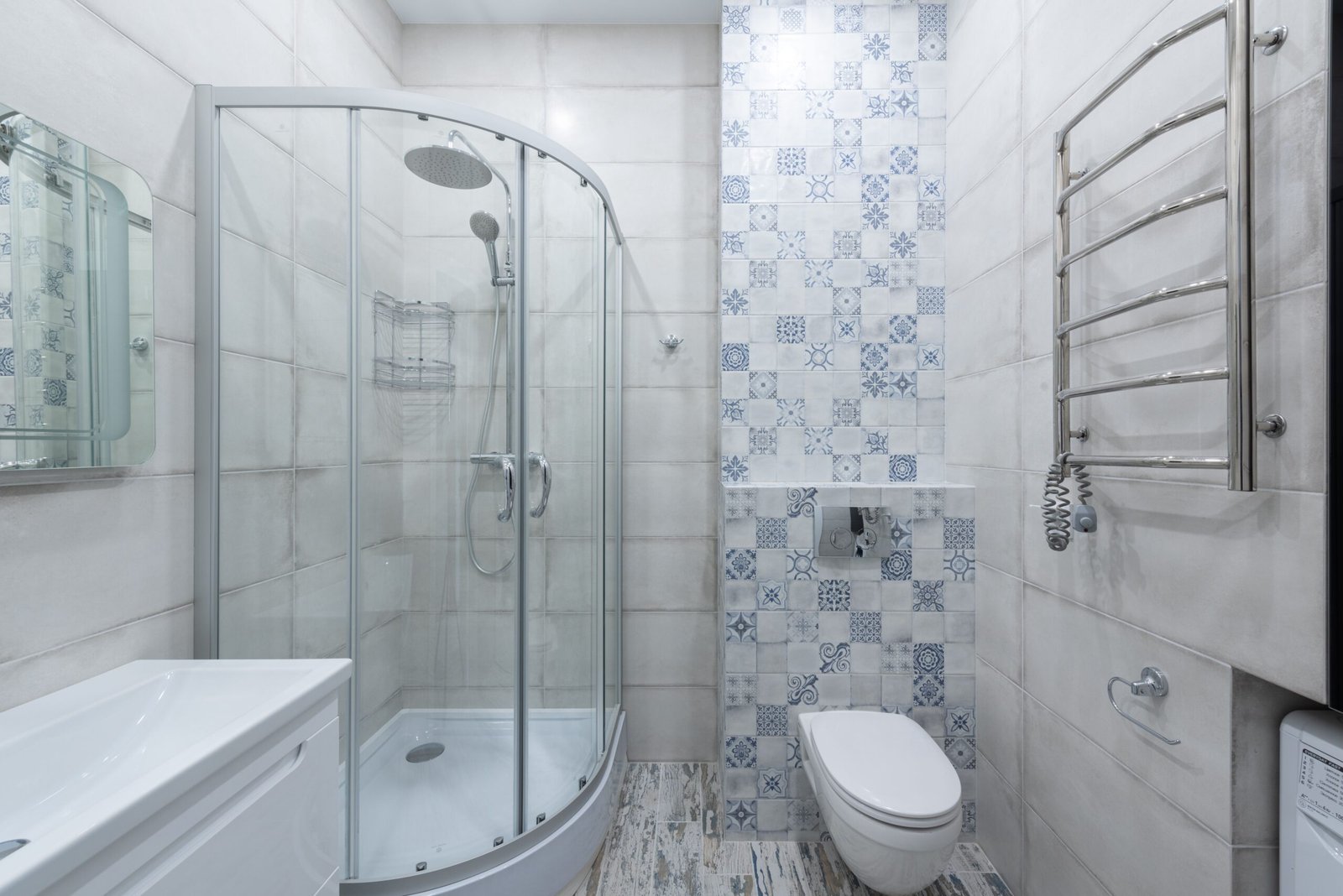
Loofah sponges exfoliate the skin effectively, but their porous, fibrous structure also creates an ideal environment for bacterial growth. Natural loofahs can harbour bacteria including Pseudomonas aeruginosa and Staphylococcus aureus, particularly when left wet in the shower. This doesn’t mean you need to stop using one; drying it daily, cleaning it weekly, and replacing it every four to six weeks addresses the risk while keeping the genuine exfoliation benefits.
What Is a Loofah?
A natural loofah comes from the dried, fibrous interior of the Luffa aegyptiaca or Luffa cylindrica plant, a member of the cucumber family that’s actually grown as a vegetable when young. As the fruit matures and dries, its fibrous skeleton is harvested, cleaned and cut into sponges. This is distinct from synthetic “loofahs” or mesh puffs, which are plastic and offer a different, though related, exfoliating texture.
Why Loofahs Trap Bacteria
By their nature, loofah sponges have lots of nooks and crannies, and they’re very porous, explains Cleveland Clinic dermatologist Dr Melissa Piliang. When you use a loofah to scrub off dead skin cells, those cells become lodged in those small spaces, and combined with soap residue and consistent moisture, this sets the stage for what she describes as a bacterial playground. A widely cited estimate from dermatological research suggests loofahs can harbour up to 10 million bacteria per square inch after just two to three weeks of improper use, though this figure originates primarily from vendor and industry sources rather than a single peer-reviewed study, so it’s worth treating as a directional warning rather than a precise measurement.
Genuine Skin Risks From a Dirty Loofah
- Folliculitis: inflammation of hair follicles, which can develop from bacteria transferred during scrubbing
- Skin rashes and irritation: from prolonged contact with a contaminated surface
- Worsened acne and breakouts: bacteria and trapped dead skin cells in loofah fibres can aggravate existing acne, particularly on the back and chest
- Body odour: bacteria transferred from a dirty loofah back onto skin can contribute to unwanted odour, somewhat counterproductive given the loofah’s cleansing purpose
How to Clean and Dry a Loofah Properly
| Method | How To Do It |
|---|---|
| Daily drying | Hang the loofah outside the shower, or in a well-ventilated spot, so it dries fully between uses |
| Weekly vinegar soak | Soak in equal parts water and white vinegar for about 10 minutes, then rinse thoroughly with warm water |
| Microwave sanitising | Dampen the loofah and microwave for about 30 seconds; the heat helps kill bacteria and germs |
| Boiling water | Immerse the loofah in boiling water for 5 to 10 minutes to disinfect before the next use |
| Bleach decontamination | Research published in the Journal of Clinical Microbiology specifically recommends periodic bleach decontamination alongside at least two weeks of complete drying to meaningfully reduce bacterial load |
Moisture is the real enemy here, not the loofah material itself; even in an apparently dry environment, bacteria embedded in the fibres can survive and resume growing as soon as the sponge becomes hydrated again.
How Often Should You Replace a Loofah?
Most guidance converges on replacing a natural loofah every three to six weeks with regular use, depending on how consistently it’s dried and cleaned between uses. Signs it’s time for a new one include a persistent slimy texture that doesn’t resolve after washing, a lingering odour even after cleaning, or visibly fraying, thinning, or crumbling fibres, since degraded fibres both exfoliate less effectively and harbour more bacteria in their damaged structure.
Loofah vs Alternatives
| Option | Bacterial Risk | Exfoliation Level |
|---|---|---|
| Natural loofah | Higher if not dried/cleaned properly, due to porous fibre structure | Firm, effective exfoliation |
| Silicone body scrubber | Lower; non-porous surface resists bacterial colonisation and antimicrobial by nature | Gentler, adjustable pressure |
| Sea sponge | Lower; naturally occurring antibacterial properties, grown in fresh bodies of water | Softer, more gentle |
| Washcloth | Can retain moisture for longer than a properly maintained, quick-drying loofah | Milder exfoliation |
Dermatologist guidance from Cleveland Clinic specifically notes silicone bath scrubbers and sea sponges as reasonable alternatives with lower bacterial risk, useful options if you find the maintenance routine for a natural loofah difficult to keep up consistently.
Where Not to Use a Loofah
Avoid using a loofah on sensitive areas including the face and genitals. Facial skin is thinner and more delicate than body skin, making it more prone to irritation from a loofah’s firmer texture, while genital skin carries its own specific hygiene and sensitivity considerations that a shared body sponge isn’t designed for.
Genuine Exfoliation Benefits
- Removes dead skin cells, supporting smoother-feeling skin
- Improves circulation to the skin’s surface during use
- Helps body wash or soap create a fuller lather, which some people find enhances the sensory experience of showering
- Biodegradable when made from natural plant fibre, unlike plastic mesh alternatives
If your primary goal is supporting skin barrier health alongside exfoliation, our guide to signs of skin barrier damage covers how to recognise when exfoliation, from a loofah or otherwise, has tipped into overuse and needs a pause.
A Practical Weekly Loofah Routine
- After each use, rinse thoroughly and squeeze out excess water
- Hang in a dry, well-ventilated spot outside the direct shower spray
- Once weekly, do a vinegar soak or brief microwave/boiling sanitisation
- Inspect for sliminess, odour, or fraying, and replace if any of these are present
- Set a calendar reminder for full replacement every four to six weeks regardless
Is a Loofah Actually Bad for Your Skin?
No, not inherently. A properly dried and regularly cleaned loofah offers genuine, effective exfoliation with manageable risk for most people. The concern isn’t the loofah itself, but the common habit of leaving it wet in a humid shower indefinitely without cleaning or replacing it, which is exactly the condition that allows bacteria to accumulate to problematic levels.
Frequently Asked Questions
Can a loofah cause acne?
A poorly maintained, bacteria-laden loofah can worsen existing acne or contribute to breakouts, particularly on the back and chest, since trapped bacteria and dead skin cells in the fibres transfer back onto skin during use. A clean, well-dried loofah is much less likely to cause this problem.
Are synthetic mesh puffs safer than natural loofahs?
Not necessarily. Research indicates both natural loofahs and synthetic mesh sponges create favourable conditions for bacterial growth when kept moist, since both trap water and organic material in their fibres. The same drying and cleaning principles apply regardless of material.
How long can a loofah safely last with proper care?
With consistent daily drying and regular cleaning, a natural loofah can reasonably last six to eight weeks, though replacing every three to six weeks is the more commonly recommended baseline, particularly for anyone prone to acne, sensitive skin, or a compromised immune system.
Should children use loofahs?
A softer natural loofah variety can be appropriate for children under supervision, and patch testing on a small area first helps identify any individual sensitivity before full use. The same drying and replacement guidance applies equally to children’s loofahs.
This article is for general information only and is not a substitute for professional dermatological advice. If you develop a skin rash, infection, or persistent irritation, please consult a dermatologist.
About the Author: Written by the Well Ideas editorial team, dedicated to researching and sharing practical, evidence-informed wellness guidance for a healthier everyday life.