
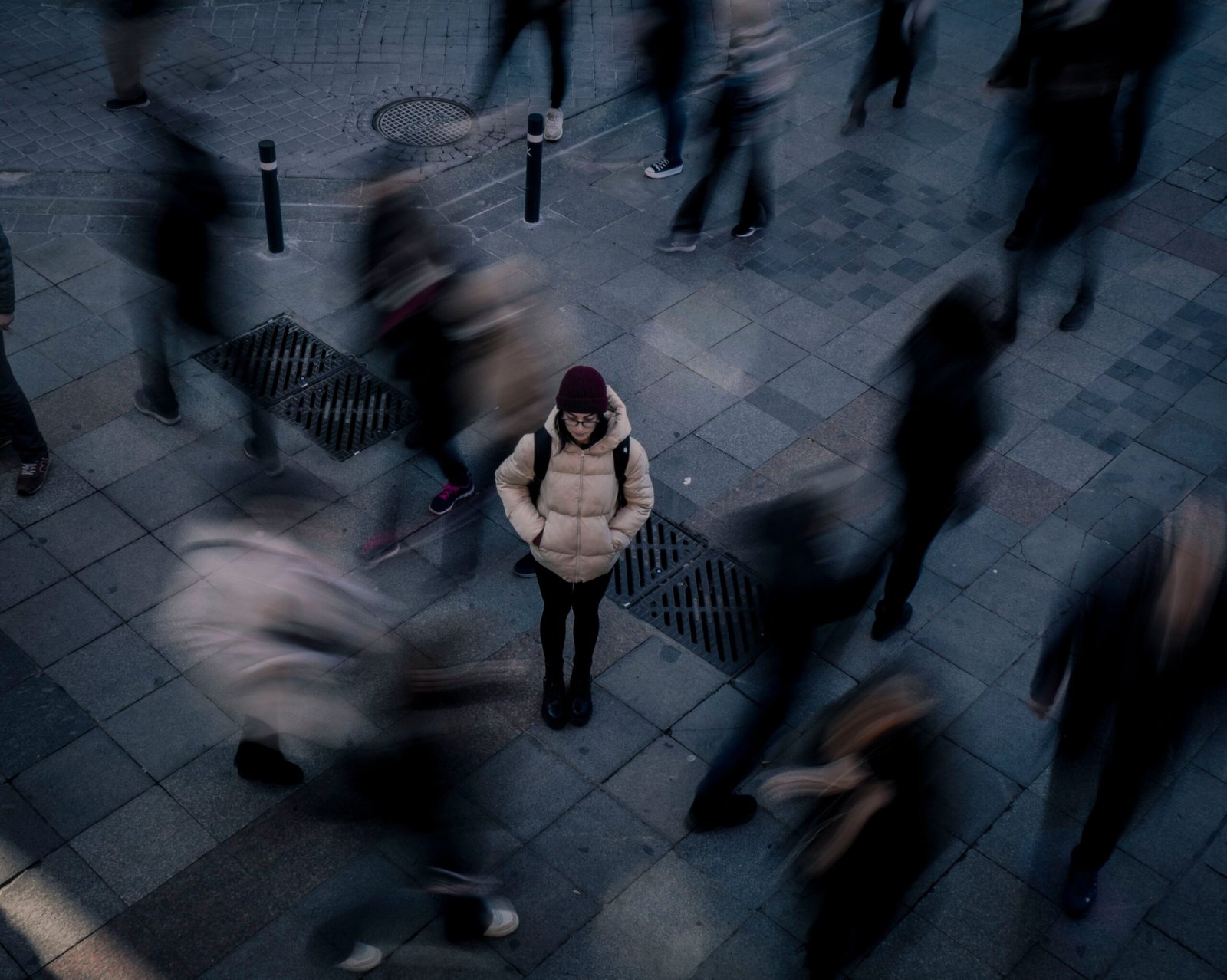
Social anxiety disorder causes an intense fear of being judged, embarrassed, or scrutinised in social situations, marked by physical symptoms like blushing and a racing heart, avoidance of social settings, and anticipatory worry that can start weeks before an event. It affects roughly 15 million American adults and up to 7% of adults annually, making it one of the most common anxiety disorders. Diagnosis requires symptoms causing significant distress or impairment for at least six months, distinguishing it from ordinary shyness or nervousness.
What Is Social Anxiety Disorder?
Social anxiety disorder (also called social phobia) is a persistent, intense fear of social or performance situations where a person believes they may be watched, judged, or negatively evaluated by others. It typically begins in the teenage years, though it can develop at any age, and occurs roughly twice as often in women as in men. Unlike everyday nervousness before a big event, social anxiety disorder is defined by its persistence and impact: it interferes meaningfully with work, school, relationships, or daily functioning, and doesn’t resolve once the immediate situation passes.
Physical Signs
- Blushing, sweating, or trembling
- Rapid heartbeat or heart palpitations
- Nausea or an upset stomach
- Dizziness or lightheadedness
- A rigid body posture or muscle tension
- Difficulty speaking, or a voice that becomes overly soft or shaky
- Feeling like your mind has “gone blank” mid-conversation
Emotional and Psychological Signs
- Intense fear of embarrassment or humiliation, even in low-stakes interactions
- Excessive self-consciousness and constant awareness of how you might appear to others
- Anticipatory anxiety that builds for days or weeks before a social event
- Overanalysing past interactions in search of mistakes or awkward moments
- A persistent feeling that “all eyes are on you,” even in situations where you’re not actually the focus
- Recognising the fear is disproportionate, but feeling unable to control it
Behavioural Signs
- Avoiding social situations entirely, or enduring them with significant distress
- Difficulty making eye contact or initiating conversation
- Trying to blend into the background at gatherings you can’t avoid
- Needing alcohol or another substance to “get through” a social situation
- Missing school, work, or events specifically because of anxiety about the social component
- Difficulty maintaining relationships or a job that requires regular social interaction
Generalised vs Performance-Only Social Anxiety
| Type | What It Involves |
|---|---|
| Generalised social anxiety | Fear extends across most or all social situations, meetings, parties, casual conversations |
| Performance-only social anxiety | Fear is limited to specific performance situations, public speaking, playing music, competing, while other social interactions feel manageable |
Social Anxiety vs Shyness
| Feature | Shyness | Social Anxiety Disorder |
|---|---|---|
| Intensity | Mild discomfort in new or unfamiliar situations | Intense fear disproportionate to the actual situation |
| Duration | Often eases as familiarity increases | Persistent, typically 6+ months, often worsening without treatment |
| Impact on daily life | Generally manageable, doesn’t prevent participation | Significantly disrupts work, school, or relationships |
| Physical symptoms | Mild or absent | Often prominent: racing heart, sweating, nausea |
If your anxiety extends beyond social situations into general, persistent worry across many areas of life, our guide to anxiety symptoms in women covers the broader range of anxiety presentations, since social anxiety disorder is one specific type among several.
What Causes Social Anxiety Disorder?
- Genetics: anxiety disorders run in families, suggesting a heritable component
- Brain structure: an overactive amygdala, the brain’s fear-processing centre, is linked to heightened social fear responses
- Negative experiences: bullying, humiliation, rejection, or a traumatically embarrassing social event can trigger or worsen the condition
- Temperament: children who are naturally shy, timid, or behaviourally inhibited face a higher risk of developing the disorder later
- New social or performance demands: starting a new job, giving a major presentation, or other significant life transitions can trigger onset
How Social Anxiety Disorder Is Diagnosed
Diagnosis follows DSM-5 criteria: continuing, intense fear or anxiety about social situations due to concern over negative judgement, avoidance of those situations or enduring them with significant distress, and symptoms persisting for six months or longer while causing meaningful impairment. A doctor will also rule out other conditions that can mimic social anxiety symptoms, including thyroid disease, heart conditions, or other anxiety disorders like panic disorder or agoraphobia.
Treatment Options
| Treatment | How It Works |
|---|---|
| Cognitive behavioural therapy (CBT) | Identifies and restructures the distorted thoughts driving social fear; typically 8-12 sessions |
| Exposure therapy | Gradually and safely confronts feared social situations to reduce avoidance over time |
| Medication (SSRIs) | Antidepressants can reduce the intensity of anxiety symptoms, often used alongside therapy |
| Support groups | Connecting with others who share similar experiences reduces isolation and normalises the condition |
CBT specifically helps identify and challenge the distorted thinking patterns that fuel social anxiety, similar to the techniques covered in our guide to how to stop negative self-talk, which are frequently used alongside exposure-based treatment for social anxiety.
What Happens Without Treatment?
Untreated social anxiety disorder tends to persist and can worsen over time, since avoidance provides short-term relief but prevents the positive social experiences that would otherwise help reduce the fear. Long-term consequences can include social isolation, reduced achievement at work or school, strained relationships, and an increased risk of depression, substance misuse, and other anxiety disorders. With appropriate treatment, however, most people see significant improvement in symptoms and quality of life.
How Do You Know if It’s Social Anxiety and Not Just Shyness?
The clearest distinguishing factor is impact: shyness causes mild discomfort but doesn’t typically prevent participation in social life, while social anxiety disorder causes significant distress that leads to avoidance and measurably disrupts work, school, or relationships. If social fear has persisted for six months or more and is holding you back from things you’d otherwise want to do, it’s worth discussing with a GP or mental health professional rather than assuming it will simply pass.
Frequently Asked Questions
Can social anxiety disorder develop suddenly in adulthood?
It’s less common but possible. Social anxiety disorder typically begins during childhood or adolescence, though a significant life change, new social demands, or a traumatic social experience can trigger onset in adulthood for some people.
Is social anxiety the same as introversion?
No. Introversion is a personality trait related to preferring solitary or low-stimulation environments; it doesn’t inherently involve fear or distress. Social anxiety disorder is a clinical condition marked by intense fear of judgement, which can affect introverts and extroverts alike.
Can children have social anxiety disorder?
Yes, though it’s harder to diagnose in children, since they often can’t describe their anxiety as clearly as adults. It may show up as tantrums, clinginess, or refusal to speak in specific social settings, sometimes described as selective mutism when severe.
Does alcohol help with social anxiety?
It may reduce anxiety in the moment, but relying on alcohol to manage social situations is a recognised risk factor for developing a co-occurring substance use problem, and it doesn’t address the underlying anxiety, which often returns once the alcohol wears off.
This article is for general information only and is not a substitute for professional mental health advice. If social anxiety is significantly affecting your daily life, please speak to a GP or qualified therapist. If you are in crisis, contact a crisis support service immediately.
About the Author: Written by the Well Ideas editorial team, dedicated to researching and sharing practical, evidence-informed wellness guidance for a healthier everyday life.