
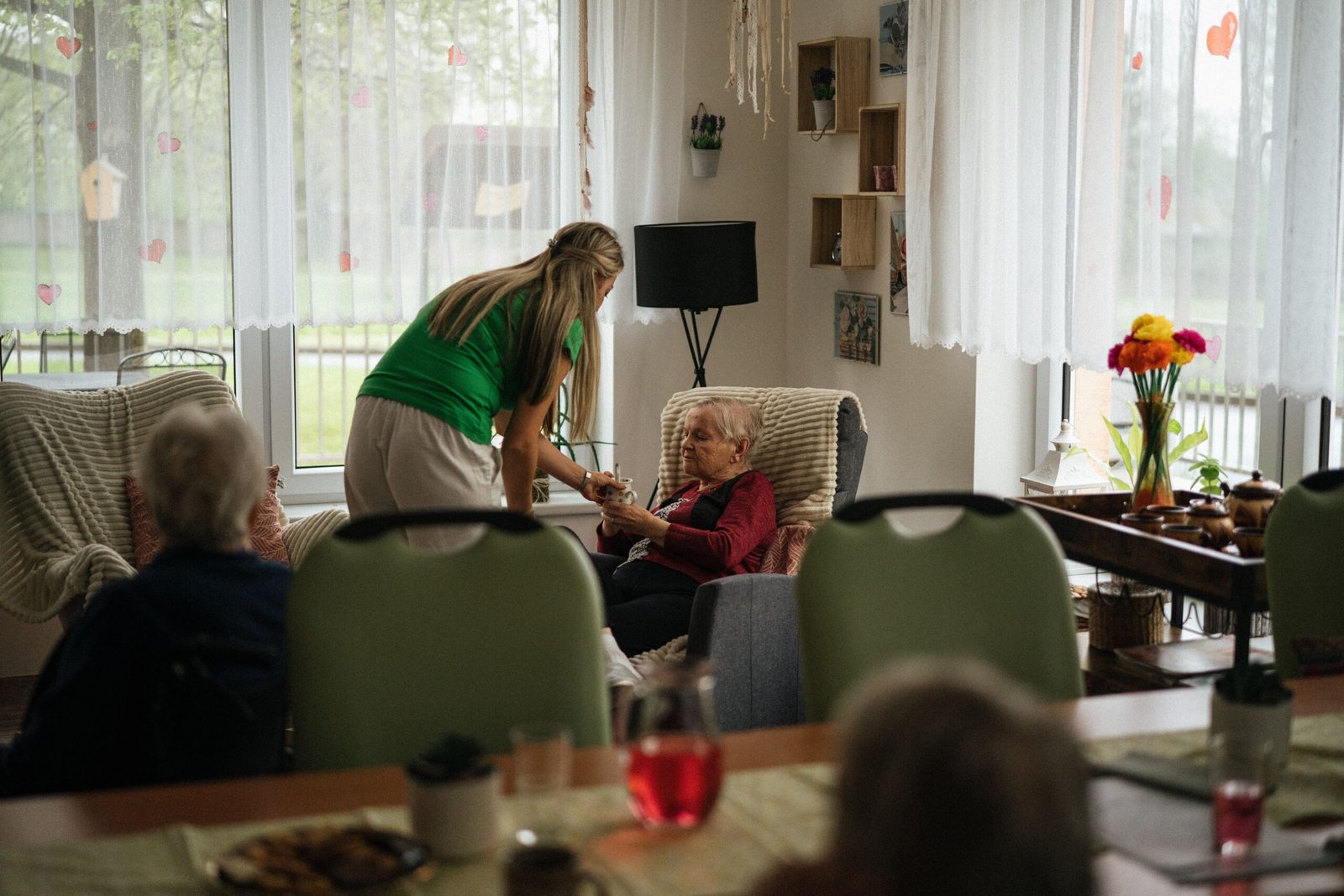
Compassion fatigue is the emotional and physical exhaustion that develops from repeated exposure to other people’s suffering, most common among healthcare workers, therapists, social workers, first responders, and family caregivers. It causes a diminished ability to empathise, emotional numbness, irritability, and physical symptoms like headaches and sleep disturbance. Unlike general burnout, compassion fatigue can develop suddenly rather than gradually, and it specifically stems from absorbing the trauma of those you’re caring for, sometimes called secondary traumatic stress.
What Is Compassion Fatigue?
Compassion fatigue is the physical, emotional and psychological toll that results from helping others through trauma or suffering over an extended period. It’s sometimes called secondary traumatic stress, secondhand shock, or vicarious trauma, all terms that point to the same underlying mechanism: caregivers absorb the emotional weight of the pain they witness, even though it isn’t happening to them directly. Compassion fatigue can affect up to 86% of animal care and lab animal workers at some point in their careers, and it’s similarly widespread among human healthcare and caregiving professions.
Compassion Fatigue vs Burnout: What’s the Difference?
| Feature | Compassion Fatigue | Burnout |
|---|---|---|
| Cause | Absorbing others’ trauma and suffering directly | Prolonged workload and job-related stress |
| Onset | Can develop suddenly | Develops gradually over time |
| Empathy | Diminished ability to empathise is a defining feature | Empathy often remains intact longer |
| Recovery | Often quicker with proper self-care and support | Typically requires more time and effort |
The two conditions frequently coexist and can worsen each other; left unaddressed, compassion fatigue can progress into full burnout. Our guide to signs of burnout covers the broader pattern that unaddressed compassion fatigue can eventually develop into.
Emotional and Psychological Signs
- Diminished ability to empathise: a reduced capacity to connect with or feel for those you’re caring for, the hallmark sign that distinguishes compassion fatigue from general stress
- Emotional numbness or detachment: feeling disconnected from the suffering around you, sometimes described as a protective shutdown
- Feelings of helplessness or hopelessness, particularly around your ability to make a meaningful difference
- Irritability and mood swings, often triggered by minor stressors that wouldn’t normally provoke a strong reaction
- Guilt, frequently tied to feeling that you’re not caring enough, or not strong enough to keep giving without limit
- Reduced sense of personal accomplishment and dissatisfaction with caregiving work that once felt meaningful
Physical Signs
- Headaches and general physical tension
- Insomnia or disrupted sleep
- Chronic exhaustion that doesn’t improve with rest
- Digestive issues and gastrointestinal discomfort
- Rapid pulse and general tension in the body
- Weakened immune function, leading to more frequent illness
Behavioural Signs
- Avoidance: choosing to work late, daydreaming about no longer providing care, or actively avoiding time with the person you care for
- Difficulty concentrating and reduced effectiveness at work or in daily tasks
- Compulsive coping behaviours: overspending, overeating, gambling, or increased alcohol or drug use as ways to manage overwhelming emotion
- Social withdrawal, pulling away from friends and family outside the caregiving role
- Poor self-care, often because all available energy is directed toward the person being cared for
In more severe or unaddressed cases, compassion fatigue can lead to uncharacteristic reactions toward the person being cared for, including uncharacteristic anger or neglect. This is a sign of a caregiver in genuine crisis, not a personal failing, and it signals an urgent need for support and respite.
Who Is Most at Risk?
| Group | Why the Risk Is Elevated |
|---|---|
| Healthcare workers and nurses | Regular, direct exposure to patient suffering, trauma, and death |
| Therapists and counsellors | Absorb the emotional weight of clients’ trauma over repeated sessions |
| Family caregivers | Combine the emotional intensity of caregiving with a personal relationship to the person suffering |
| First responders | Repeated exposure to crisis and traumatic events |
| Social workers and child protection workers | Regular exposure to abuse, neglect, and family crisis |
People who are naturally highly empathic, or who have unresolved trauma of their own, may be particularly vulnerable, since their generous and caring nature can heighten susceptibility to absorbing others’ pain.
How to Cope With Compassion Fatigue
1. Set Boundaries
Learning to say no to additional responsibilities, and asking for help when needed, protects the emotional reserves that caregiving depends on. Our guide to how to set healthy boundaries covers the specific communication techniques that make boundaries stick, particularly relevant for caregivers who struggle with guilt around limiting their availability.
2. Prioritise Genuine Self-Care
This isn’t a luxury add-on; it’s a functional requirement for sustainable caregiving. Regular breaks, adequate sleep, movement, and time away from caregiving responsibilities all directly support the emotional capacity caregiving demands.
3. Process Emotions Rather Than Suppressing Them
Journaling, talking with a mental health professional, or connecting with a peer support group all provide an outlet for the pent-up emotion that compassion fatigue accumulates. Suppressing these feelings tends to intensify symptoms over time rather than resolve them.
4. Seek Peer Support
Connecting with others in similar caregiving roles, who understand the specific emotional weight involved without needing lengthy explanation, reduces the isolation that often compounds compassion fatigue.
5. Consider Professional Support
A mental health professional can help process secondary trauma directly and provide structured tools for managing ongoing exposure to others’ suffering, particularly important if symptoms are severe or persistent.
What to Do If You Notice Concerning Behaviour in Yourself
If you notice yourself reacting toward the person you’re caring for in ways that feel out of character, including anger, neglect, or avoidance you wouldn’t normally engage in, treat this as an urgent signal to seek respite care and support immediately, not as evidence of personal failure. Compassion fatigue exists on a continuum, and reaching out for help at this stage protects both you and the person depending on your care.
How Quickly Does Recovery Happen?
Recovery from compassion fatigue is often quicker than recovery from burnout when addressed with proper self-care and support, since compassion fatigue’s roots in specific, absorbed trauma can respond well to targeted processing and rest. That said, timelines vary considerably by individual and severity; consistent boundary-setting, self-care and, where needed, professional support all support a more sustainable pace of recovery than trying to simply push through.
What Is the Difference Between Compassion Fatigue and Caring Too Much?
Compassion fatigue doesn’t mean you care too much; it means you’ve cared for too long without adequate rest and support. The condition results from an imbalance between the emotional output caregiving demands and the recovery time available to replenish it, not from having too much empathy in the first place. This distinction matters because it reframes the solution: the answer isn’t caring less, but building sustainable rest and support into a caregiving role that, by its nature, asks a great deal.
Frequently Asked Questions
Can compassion fatigue happen to family caregivers, not just professionals?
Yes. Family caregivers, particularly those caring for a loved one with a chronic illness, dementia, or a terminal condition, are at significant risk of compassion fatigue, often compounded by the personal relationship and emotional stakes involved.
Is compassion fatigue the same as secondary traumatic stress?
They’re very closely related, and the terms are frequently used interchangeably. Secondary traumatic stress specifically describes trauma symptoms that develop from being exposed to someone else’s traumatic experience, which is a core mechanism underlying compassion fatigue.
How is compassion fatigue different from PTSD?
Compassion fatigue shares some symptoms with PTSD, including hypervigilance and emotional numbing, but it develops specifically from repeated exposure to others’ trauma in a caregiving context, rather than from a direct personal traumatic experience.
Can compassion fatigue affect job performance?
Yes, significantly. Reduced concentration, decreased empathy, and emotional exhaustion all directly impair the quality of care a person can provide, which is part of why addressing compassion fatigue early benefits both the caregiver and the people depending on their care.
This article is for general information only and is not a substitute for professional mental health advice. If compassion fatigue is significantly affecting your wellbeing or your ability to provide safe care, please speak to a GP, mental health professional, or your workplace’s employee support services.
About the Author: Written by the Well Ideas editorial team, dedicated to researching and sharing practical, evidence-informed wellness guidance for a healthier everyday life.