What should women in the UK know about their health?
Knowing what to look out for can help you act early. The key areas are cervical screening, breast awareness, heart health, and bone health. This guide uses NHS guidance for a UK audience. It also explains when to contact a GP.
No single article can cover every condition. If a change worries you, speak to your GP. You know your body best.
Cervical screening
Cervical screening checks the health of your cervix. It looks for a virus called HPV and for cell changes that could lead to cancer if not treated.
In England, people with a cervix aged 25 to 64 are invited for cervical screening. The NHS sends an invitation letter when your test is due. Screening is not a test for cancer. It is a way to prevent it.
Go when you are invited. If you missed your last test, contact your GP practice to book one. If it is not yet due and you have symptoms, such as bleeding between periods, bleeding after sex, or bleeding after the menopause, contact your GP. Do not wait for your next screening appointment.
Breast awareness
Breast awareness means knowing what is normal for you. Check your breasts or chest about once a month. A good time is a few days after your period, or on the first day of each month if you no longer have periods.
Look at your breasts in a mirror, then feel them with the pads of your fingers. Use a circular motion and cover the whole breast, up to your collarbone and into your armpit.
Contact your GP if you notice a new lump, a change in the size or shape of a breast, a change in the skin such as dimpling or redness, a nipple that turns in, discharge from a nipple, or pain that does not go away. Most lumps are not cancer, but they should always be checked.
Heart health
Heart disease affects women as well as men. The risk rises as you get older. Smoking, high blood pressure, high cholesterol, and diabetes can raise your risk.
You can lower your risk by not smoking, keeping active, eating a balanced diet, and keeping your weight within a healthy range. Have your blood pressure checked at a pharmacy or a GP appointment. Our guide to how to lower blood pressure naturally explains the steps in more detail.
Call 999 for chest pain or pressure that lasts, or for chest pain with breathlessness or sweating. Do not drive yourself to hospital.
Bone health
Bones can weaken with age. This is called osteoporosis. Many people do not know they have it until they break a bone.
After the menopause, levels of the hormone oestrogen fall. Oestrogen helps to protect bones. This makes bone loss more likely. Our guide to perimenopause symptoms explains more about this change.
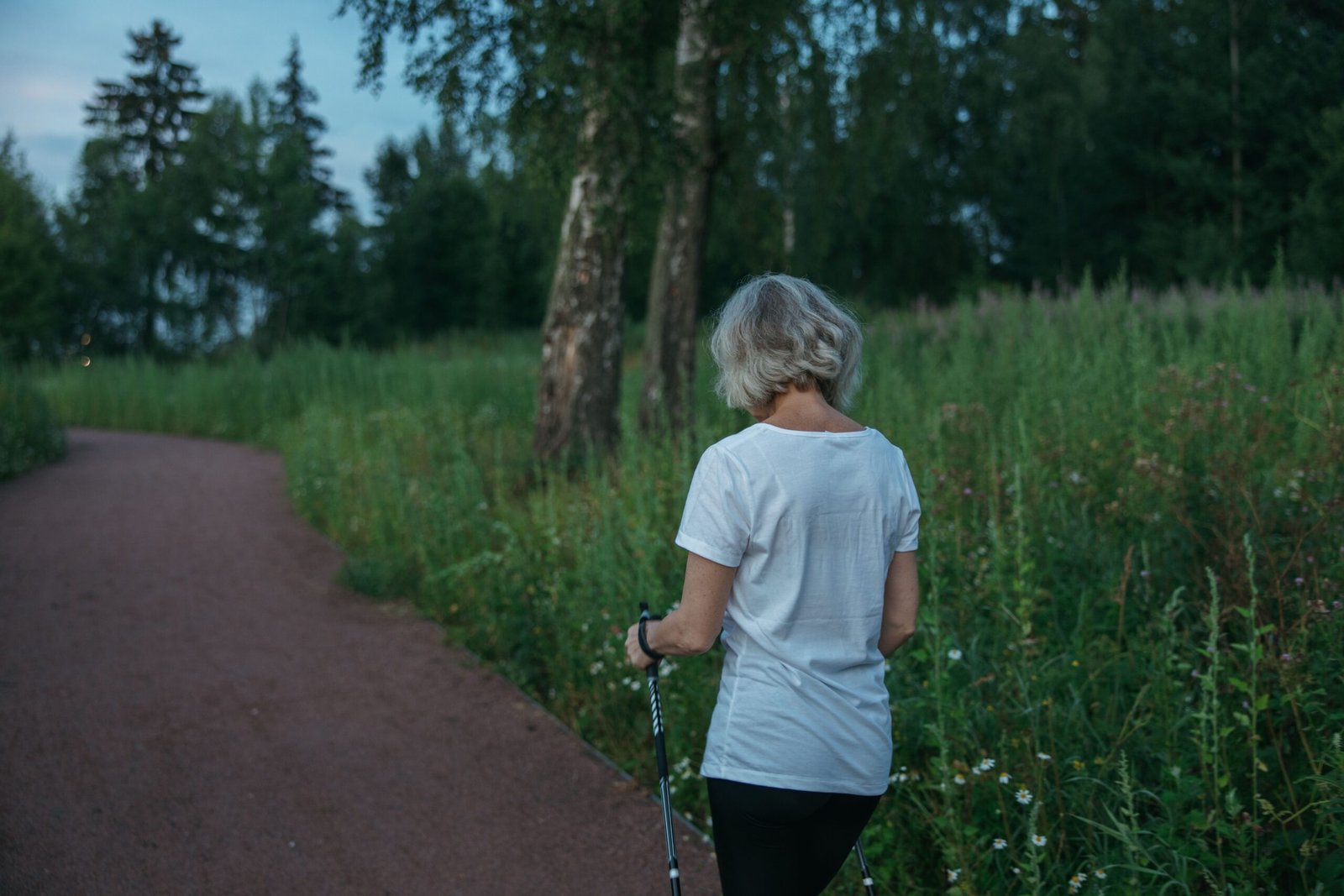
To protect your bones, eat calcium-rich foods such as milk, yoghurt, cheese, and leafy greens. Get enough vitamin D. Our guide to vitamin D deficiency symptoms explains who may need extra vitamin D. Take regular weight-bearing exercise, such as walking. Do not smoke. Keep alcohol within low-risk levels. The NHS has more on this in its osteoporosis guidance.
Other health areas to watch
Diabetes is a common condition that raises the risk of heart and kidney problems. Symptoms can include feeling very thirsty, peeing more than usual, and feeling very tired. If you notice these, see your GP.
Mental health matters too. Anxiety is common in women. Our guide to anxiety symptoms in women explains the signs and where to get help.
When to contact a GP
Contact your GP if you notice any of the following:
- Bleeding between periods, after sex, or after the menopause
- A new breast lump or a change in a breast
- Chest pain or pressure
- Breathlessness that is new or worse
- Unexplained weight loss
- A change in your body that worries you and does not settle
Do not wait to see if it goes away. GPs would rather see you early. Call NHS 111 if you need advice and cannot wait for a GP appointment. In an emergency, call 999.
Frequently asked questions
Who is invited for cervical screening in England?
People with a cervix aged 25 to 64 are invited. The NHS sends a letter when your test is due. Ask your GP practice if you missed your last test.
How often should I check my breasts?
About once a month. The aim is to know what is normal for you, so you can spot a change early.
What are the signs of heart problems in women?
Chest pain or pressure is the main sign. Breathlessness, sweating, and pain in the arm or jaw can also happen. Call 999 for chest pain that lasts.
How can I protect my bones after the menopause?
Eat calcium-rich foods, get enough vitamin D, take regular weight-bearing exercise such as walking, do not smoke, and keep alcohol within low-risk levels.
When should I see a GP about a health change?
See a GP if a change is new, does not settle, or worries you. This includes unusual bleeding, a new lump, or unexplained weight loss. Call NHS 111 for urgent advice, or 999 in an emergency.
Sources
If a claim in this article cannot be verified from the NHS, it is left out. For personal advice, check NHS.uk or speak to your GP.