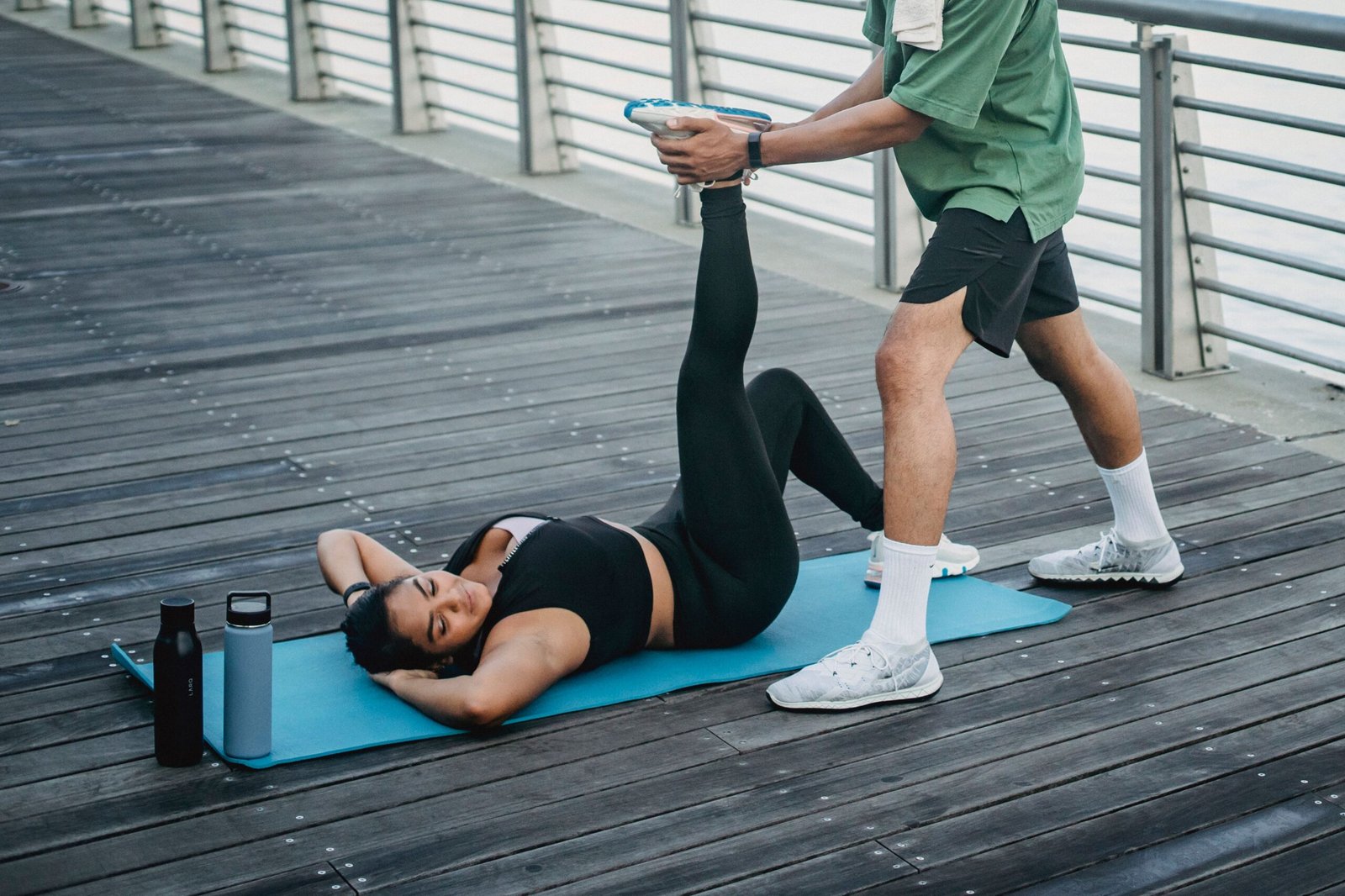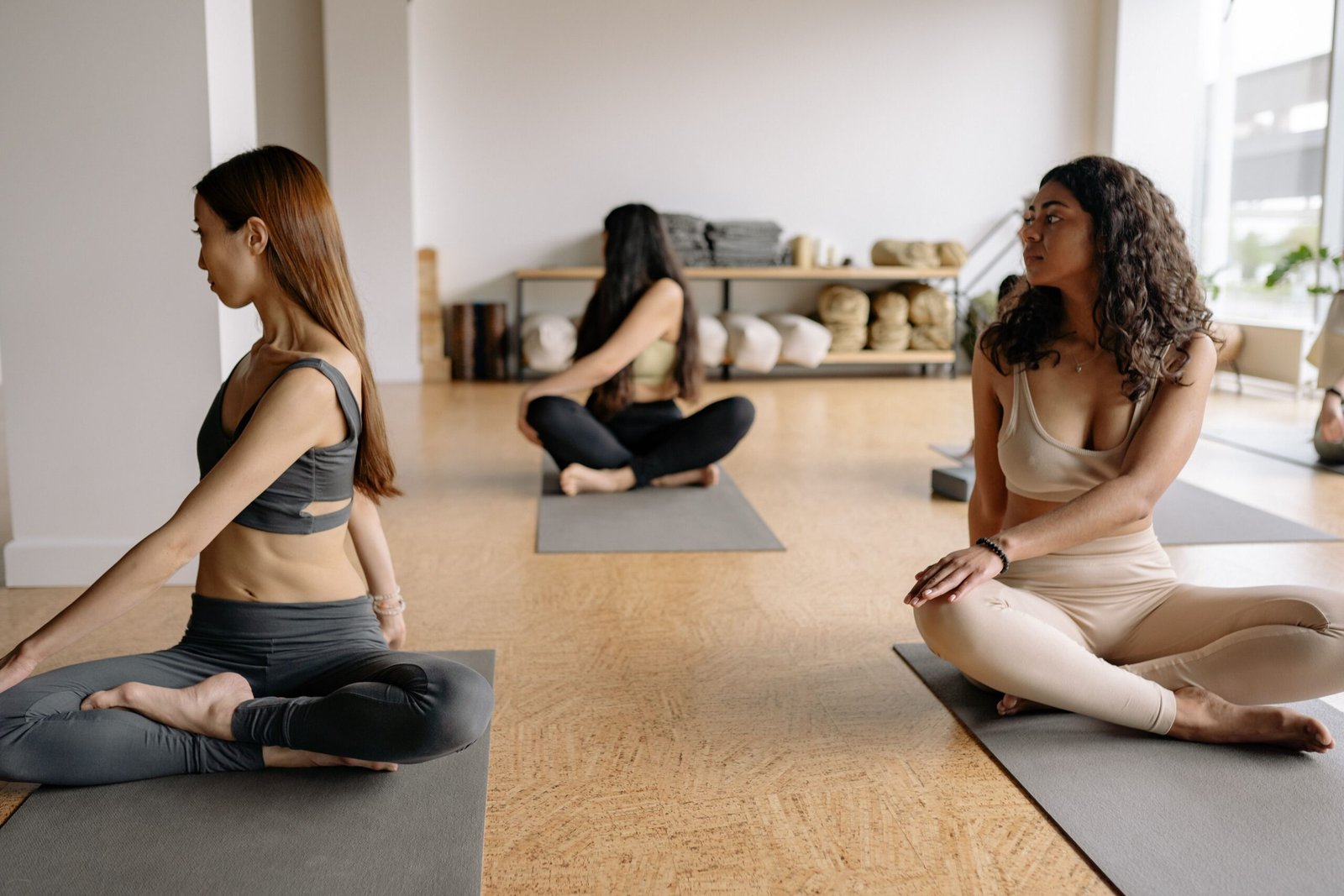
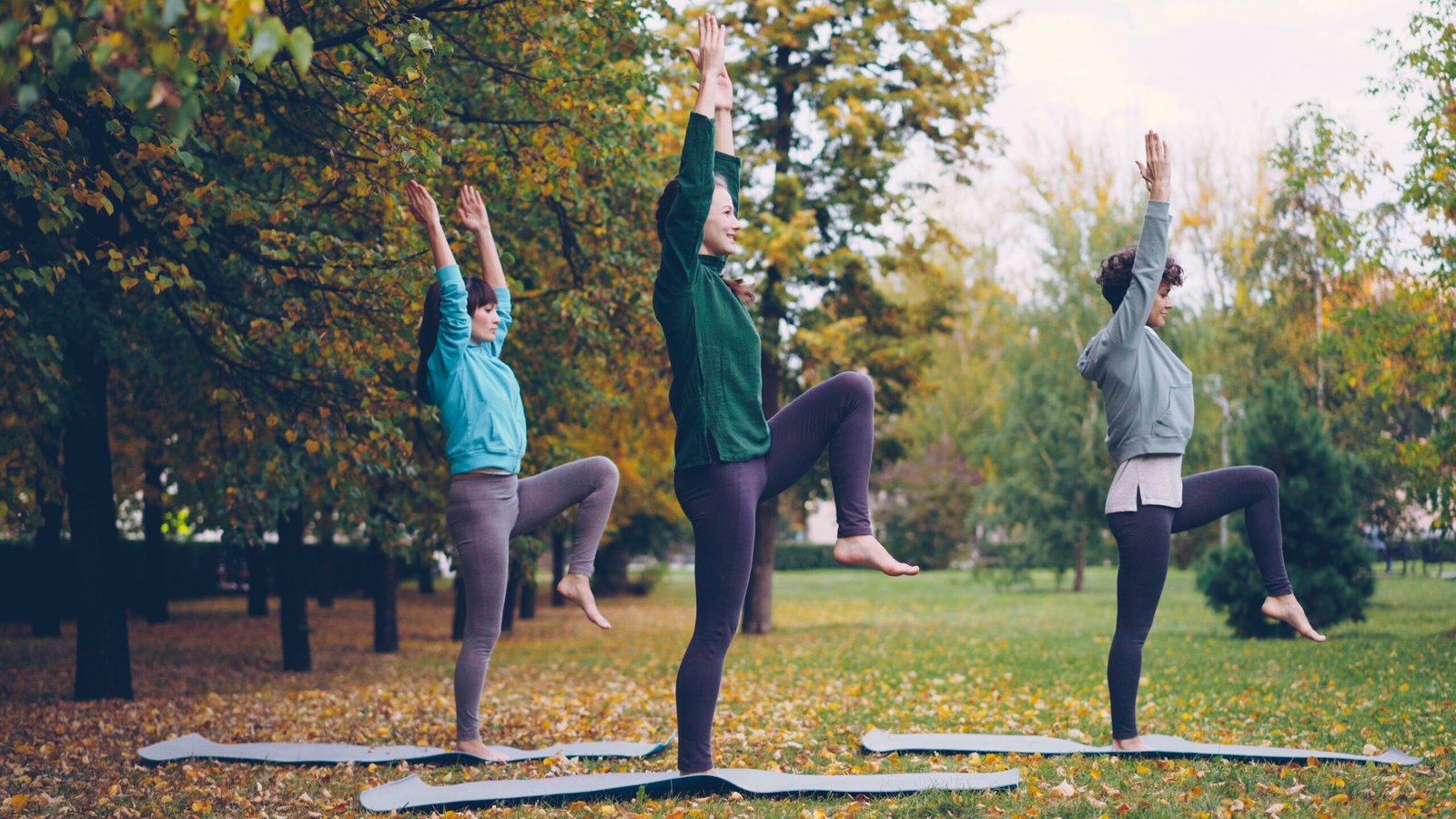
3 person yoga poses are postures built for three practitioners working together, using defined roles of base, flyer and spotter to create shapes impossible to hold alone. Also called trio yoga or three-way yoga, this practice blends traditional asana with acroyoga principles, building balance, core strength and trust between practitioners at the same time.
What Is 3 Person Yoga?
3 person yoga is a cooperative practice where three people combine strength, balance and coordination to hold a single connected pose. Unlike solo yoga, success depends on shared weight distribution and constant communication between all three participants. Most poses assign each person a specific role:
- Base: the person with the most contact with the ground, providing stability and support
- Flyer: the person lifted, balanced, or supported by the other two
- Spotter: the person positioned to assist with alignment and catch the flyer if balance is lost
Benefits of Practising Yoga with Two Partners
- Increased flexibility: partner support allows deeper stretches than solo practice permits
- Improved strength: holding shared weight builds core, arm and leg strength in ways solo poses do not
- Better balance and coordination: three-way weight distribution demands constant micro-adjustment, sharpening proprioception
- Trust and communication: every transition requires clear, ongoing communication between all three people
- Social connection: shared physical effort and synchronised breathing build bonds that solo practice does not offer
Beginner 3 Person Yoga Poses
1. Triple Tree Pose
All three stand side by side, each lifting one foot to rest against the inner ankle, calf or thigh of the standing leg (never directly on the knee joint). The outer two link their outside hands with the middle person’s raised hands for extra stability. This builds balance without requiring any weight-bearing between partners.
2. Seated Circle Forward Fold
Sit in a triangle formation with legs extended and feet meeting in the middle, holding hands with the person on each side. On an inhale, all three sit tall; on an exhale, one partner folds forward while the other two gently support with a light backward lean. This releases tension in the hamstrings and lower back while building trust through shared, gentle movement.
3. Triangle Trio
Stand in a triangle formation roughly an arm’s length apart, facing inward. Each person extends one arm to clasp hands with a partner while raising the other arm overhead, forming a connected triangle shape. This stretches the hamstrings, hips and shoulders simultaneously while requiring only light contact between partners.
4. Simple Side Bend Trio
Stand side by side facing the same direction. The middle person rests their arms on the shoulders of the two outer partners. All three bend gently to one side together, reaching the free arm overhead, then switch sides. The middle person’s contact point helps guide the bend and keep the movement synchronised.
Intermediate 3 Person Yoga Poses
5. Triple Downward Dog
The first person forms a standard downward dog. The second person places their hands on the first person’s lower back and steps their feet up to form their own downward dog on top. The third person repeats this on the second person’s back, creating a stacked formation. This builds significant core and shoulder strength and requires a genuinely stable base.
6. Double Warrior with Support
Two partners stand side by side in a deep warrior lunge, supporting each other’s extended arms for balance. The third partner acts as a spotter, standing behind to assist with alignment and provide a stabilising hand at the hips if needed. This strengthens the legs and core while encouraging synchronised breathing between the two warriors.
Advanced 3 Person Yoga Poses
7. Three-Person Plank Stack
The base holds a standard plank on the ground. The second person places their hands on the base’s ankles and holds their own plank on top. The third person repeats this on the second person’s ankles. This pose demands significant core strength from all three and should only be attempted once each participant can comfortably hold a solo plank for 60 seconds.
8. Acroyoga Leaning Tower
One base lies on their back, feet raised, supporting the flyer in an L-basing position, while the third person acts as the spotter, standing to the side ready to assist with balance. This advanced pose combines strength, trust and precise weight distribution, and should only be attempted with prior acroyoga or partner yoga experience.
Safety Guidelines for 3 Person Yoga
- Practice on a non-slip surface with enough space for three people to move freely without bumping into each other
- Warm up together as a group before attempting any weight-bearing poses
- Agree on a stop signal in advance so any partner can pause the pose immediately if something feels unsafe
- Assign roles based on strength and stability, not simply by preference; the base needs a genuinely stable, grounded position
- Move slowly and communicate every shift in weight before it happens, rather than adjusting silently
- Anyone with recent injuries, balance disorders, or joint problems should consult a healthcare professional before attempting weight-bearing trio poses
3 Person Yoga vs Partner Yoga vs Acroyoga
| Style | Number of People | Focus |
|---|---|---|
| Partner yoga | 2 | Deeper stretches, mutual support, connection |
| 3 person / trio yoga | 3 | Shared balance, defined base/flyer/spotter roles, group trust |
| Acroyoga | 2 or more | Acrobatic lifts and inversions, higher skill and risk level |
If joint stability is a concern for anyone in your trio, our guide to hypermobility and yoga covers modifications worth understanding before attempting weight-bearing partner poses.
How to Prepare for a Trio Yoga Session
- Choose a spacious, clutter-free area with enough room for three mats and full range of motion
- Discuss goals, comfort levels and any physical limitations before starting
- Start with grounded, seated poses before progressing to standing or weight-bearing formations
- Keep sessions to 15-25 minutes when starting out, building duration as trust and coordination improve
How Often Should You Practise 3 Person Yoga?
Two to three sessions a week is enough to build noticeable improvements in balance, coordination and trust between practitioners. Consistency matters more than session length; a focused 20-minute trio practice produces better results than an infrequent, longer session.
Frequently Asked Questions
Do all three people need to be the same fitness level?
No. Clear communication and defined roles matter more than matched fitness levels for most beginner and intermediate poses. For advanced weight-bearing poses, similar strength between the base and flyer becomes more important for safety.
Can beginners try 3 person yoga poses?
Yes. Poses like Triple Tree, Seated Circle Forward Fold and Triangle Trio require minimal weight-bearing and are specifically designed as entry points for groups new to trio practice.
Is 3 person yoga the same as acroyoga?
Not exactly. Acroyoga specifically incorporates acrobatic lifts and inversions and typically involves two people, though it can extend to three. 3 person yoga is a broader term that includes gentler, ground-based trio poses alongside more advanced acro-style formations.
What is the biggest risk in trio yoga poses?
Loss of balance during weight-bearing poses, particularly stacked formations like Triple Downward Dog or the Plank Stack, carries the highest injury risk. A dedicated spotter and slow, communicated transitions significantly reduce this risk.
This article is for general information only and is not a substitute for professional guidance. If you have an injury, balance disorder, or joint condition, please consult a healthcare professional or qualified yoga instructor before attempting weight-bearing partner poses.
About the Author: Written by the Well Ideas editorial team, dedicated to researching and sharing practical, evidence-informed wellness guidance for a healthier everyday life.