Balance board exercises improve balance, boost coordination, and increase core and lower limb strength, according to research reviewed by Dr Edward Laskowski, co-director of Mayo Clinic Sports Medicine. A large review of 7 randomised controlled trials involving 3,726 participants found proprioceptive training using a balance or wobble board can reduce the risk of a first-time or recurrent ankle sprain, giving this popular fitness tool genuine clinical backing beyond its trending appeal.
What Is a Balance Board?
A balance board is typically a wooden platform with a flat top and an unstable, often dome-shaped, base that intentionally allows for controlled wobble in one or more directions. Rocker boards move in a single plane and require less skill to operate, while wobble boards allow multi-directional movement, offering a greater balance challenge. You’ll find them in gyms, physical therapy clinics, and increasingly in home fitness setups, used for everything from rehabilitation to athletic conditioning.
How Balance Boards Actually Work: Proprioception
Proprioception is the body’s ability to sense the position and movement of its own parts without needing to look at them directly, and experts believe ankle proprioception plays a critical role in balance overall. Standing on an unstable surface forces your muscles, ligaments and tendons to constantly and rapidly adjust to maintain stability, training this sensory feedback system in a way that standing on stable ground simply doesn’t provide. This same mechanism, sometimes called neuromuscular training, is used deliberately in rehabilitation to help injured joints relearn how to stabilise themselves.
Evidence-Backed Benefits
1. Reduces Ankle Sprain Risk
A review of 7 randomised controlled trials with a combined total of 3,726 participants found proprioceptive training using a balance or wobble board significantly reduced the risk of both first-time and recurrent ankle sprains. Mayo Clinic specifically notes this benefit is strongest for repeat sprains, making balance board training a genuinely useful rehabilitation and prevention tool for anyone with a history of ankle injuries.
2. Improves Balance in Stroke Rehabilitation
A small study found stroke patients who performed wobble board exercises alongside conventional physiotherapy showed a significant increase in balance compared to a control group receiving physiotherapy alone. This suggests balance boards offer benefit as a genuine adjunct to standard rehabilitation, not just a replacement or alternative approach.
3. Improves Physical Function in Older Adults
A 2011 study assessed the effects of wobble board training on physical function in 23 older adults. Participants who used a wobble board twice weekly for 9 weeks showed a significantly greater increase in standing time on the board compared to the control group, a meaningful outcome given the direct link between balance and fall risk in older adults.
4. Builds Core and Lower Limb Strength
Because the constant micro-adjustments required to stay balanced engage the core and stabilising muscles throughout the body, balance boards work as a genuine strength tool, not just a balance one. This applies particularly to the deep core muscles, hips, and the muscles surrounding the ankles and knees.
Who Balance Boards Are Best Suited For
| Group | Primary Benefit |
|---|---|
| Athletes | Injury prevention, particularly for ankle sprains, and improved proprioceptive reaction time |
| People recovering from ankle or knee injury | Rehabilitation and reduced re-injury risk, typically under professional guidance |
| Stroke patients | Adjunct to conventional physiotherapy for balance recovery |
| Older adults | Fall prevention through improved standing time and stability |
| Desk workers | A low-impact way to build core engagement into standing or working time |
Beginner Balance Board Exercises
- Basic standing balance: stand on the board with feet shoulder-width apart, keeping the edges level, holding for 20 to 30 seconds before resting
- Weight shifts: gently shift your weight from heels to toes and side to side, moving the board’s edges toward the ground and back in a controlled manner
- Squats on the board: once basic balance feels manageable, add bodyweight squats, keeping the core engaged throughout to maintain board control
- Push-ups with hands on the board: for upper body and core stability, place your hands on the board in a plank position and perform push-ups while managing the board’s wobble
Mayo Clinic sports medicine specialist Dr Peter Rieck notes these boards can also be used for glute bridges targeting the core, extending their use well beyond simple standing balance work. If you’re building a broader lower-body stability routine, our guide to how to improve posture covers complementary strength work for the muscles that support balance and alignment throughout the day.
Balance Board vs Bosu Ball vs Stability Ball
| Tool | Instability Type | Best For |
|---|---|---|
| Balance/wobble board | Single or multi-directional tilt on a flat platform | Ankle proprioception, standing balance work |
| Bosu ball | Dome-based instability, can be used flat or dome-up | Broader full-body balance and strength training |
| Stability ball | Fully spherical, unstable in all directions | Core work, seated stability, broader gym exercises |
Safety Considerations
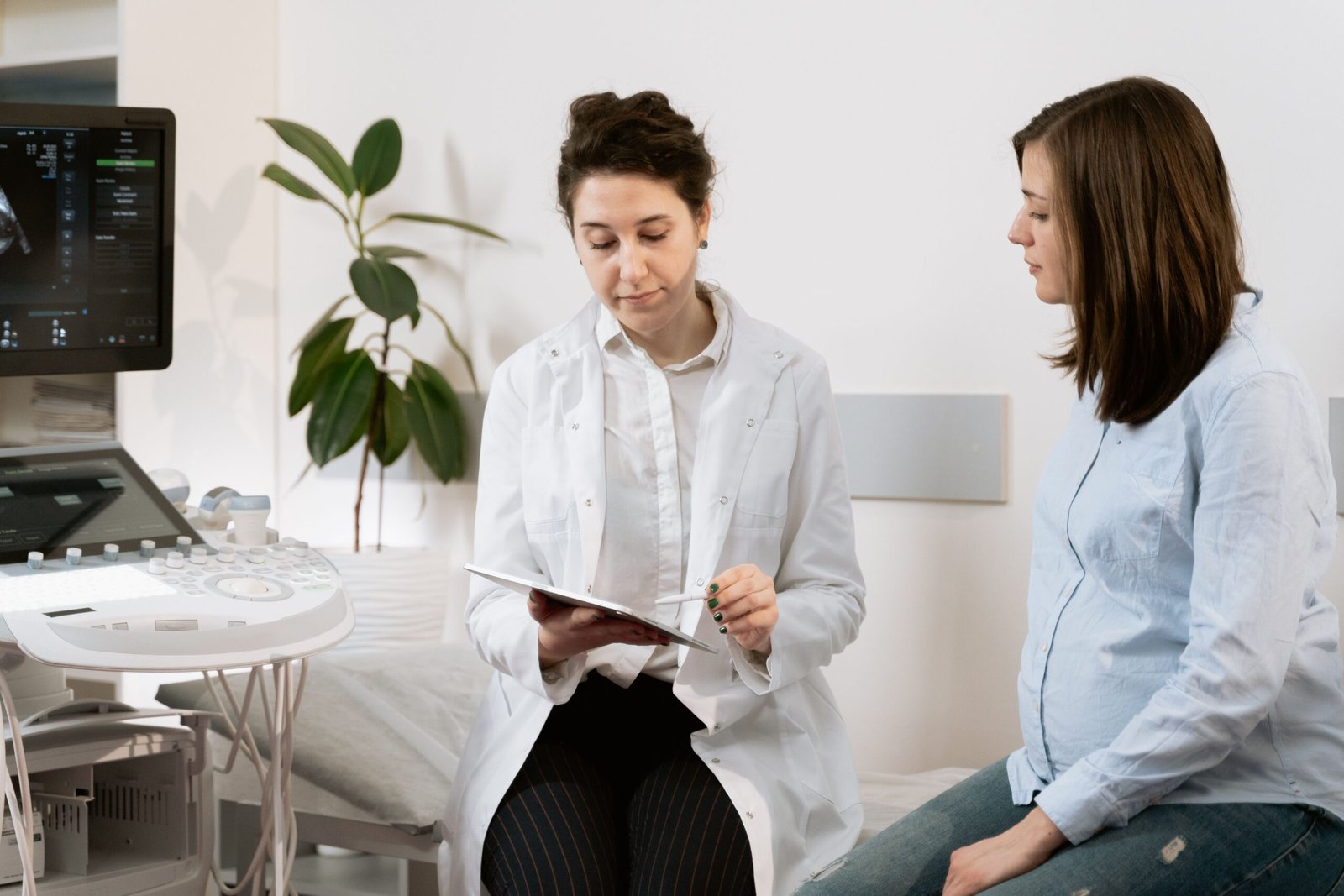
Due to their intentionally unstable nature, balance boards do raise fall risk, particularly for people with existing balance issues, dizziness, or vertigo. Mayo Clinic specifically recommends that older adults work with a physical therapist to identify any balance deficits and develop a safe, appropriately paced exercise plan, rather than starting balance board training independently without professional guidance if these risk factors apply.
Getting Started Safely
- Practise near a wall, sturdy chair or countertop for support when starting out
- Begin with shorter sessions, around 5 to 10 minutes, gradually increasing duration as balance and confidence improve
- Aim for consistency: research protocols showing measurable benefit generally used sessions two to five times weekly
- Progress gradually from simple standing balance to weight shifts, then to squats, push-ups and more dynamic movements
- Stop if you feel genuinely unstable or at risk of falling, rather than pushing through discomfort with balance training specifically
How Often Should You Use a Balance Board?
Research protocols showing measurable improvement typically used sessions two to five times weekly, with the older-adult study specifically using a twice-weekly, 9-week programme to produce a significant increase in standing time. For general fitness use without a specific rehabilitation goal, three to four sessions weekly of 5 to 10 minutes is a reasonable, evidence-informed starting point.
How Long Does It Take to See Improvement?
The controlled study in older adults found significant improvement after 9 weeks of twice-weekly training, giving a realistic minimum timeframe for measurable change in standing balance and stability. Some subjective improvement in comfort and control on the board often appears sooner, within the first few sessions, as the nervous system begins adapting to the specific instability pattern.
Frequently Asked Questions
Can balance boards help prevent falls in older adults?
Research suggests they may decrease fall risk by improving balance, coordination, and lower limb strength. However, Mayo Clinic recommends older adults work with a physical therapist first to assess individual balance deficits and design a safe, appropriately progressed plan, given the boards’ inherently unstable design.
Do balance boards actually build muscle, or just balance?
Both. The constant stabilising effort required engages the core, hips and lower limb muscles in a genuine strength-building way, and adding movements like squats and push-ups on the board increases this effect further, targeting upper body and arms alongside the core and legs.
Is a wobble board better than a rocker board for beginners?
Rocker boards, which move in a single direction, generally require less skill to operate and are a reasonable starting point for complete beginners. Wobble boards, which allow multi-directional movement, offer a greater balance challenge suited to progressing once basic stability has been established.
Can balance board training replace traditional strength training?
No. While balance boards build meaningful core and stabiliser strength, they don’t provide the same progressive overload for major muscle groups that dedicated strength training offers. They work best as a complementary tool alongside, not instead of, a broader strength and conditioning routine.
This article is for general information only and is not a substitute for professional medical or fitness advice. If you have balance issues, dizziness, vertigo, or a recent injury, please consult a doctor or physical therapist before starting balance board exercises.
About the Author: Written by the Well Ideas editorial team, dedicated to researching and sharing practical, evidence-informed wellness guidance for a healthier everyday life.