You can remove soft plaque at home through brushing, flossing and interdental cleaning. You cannot remove hardened tartar yourself, no matter which home remedy you try; only a professional scale and polish removes it safely. Understanding this distinction matters, since 93% of UK adults with natural teeth currently show at least one sign of gum disease, and most of it is preventable with the right daily routine.
Plaque vs Tartar: What’s the Difference?
Plaque is a soft, sticky film of bacteria that forms on your teeth constantly, building up within hours of brushing. Left undisturbed, plaque hardens into tartar, also called calculus, typically within a matter of days. Tartar bonds firmly to the tooth surface and, once formed, brushing alone cannot remove it. This single distinction explains almost every question people have about home plaque removal: soft plaque responds to daily habits, hardened tartar does not.
What You Can Remove at Home: Soft Plaque
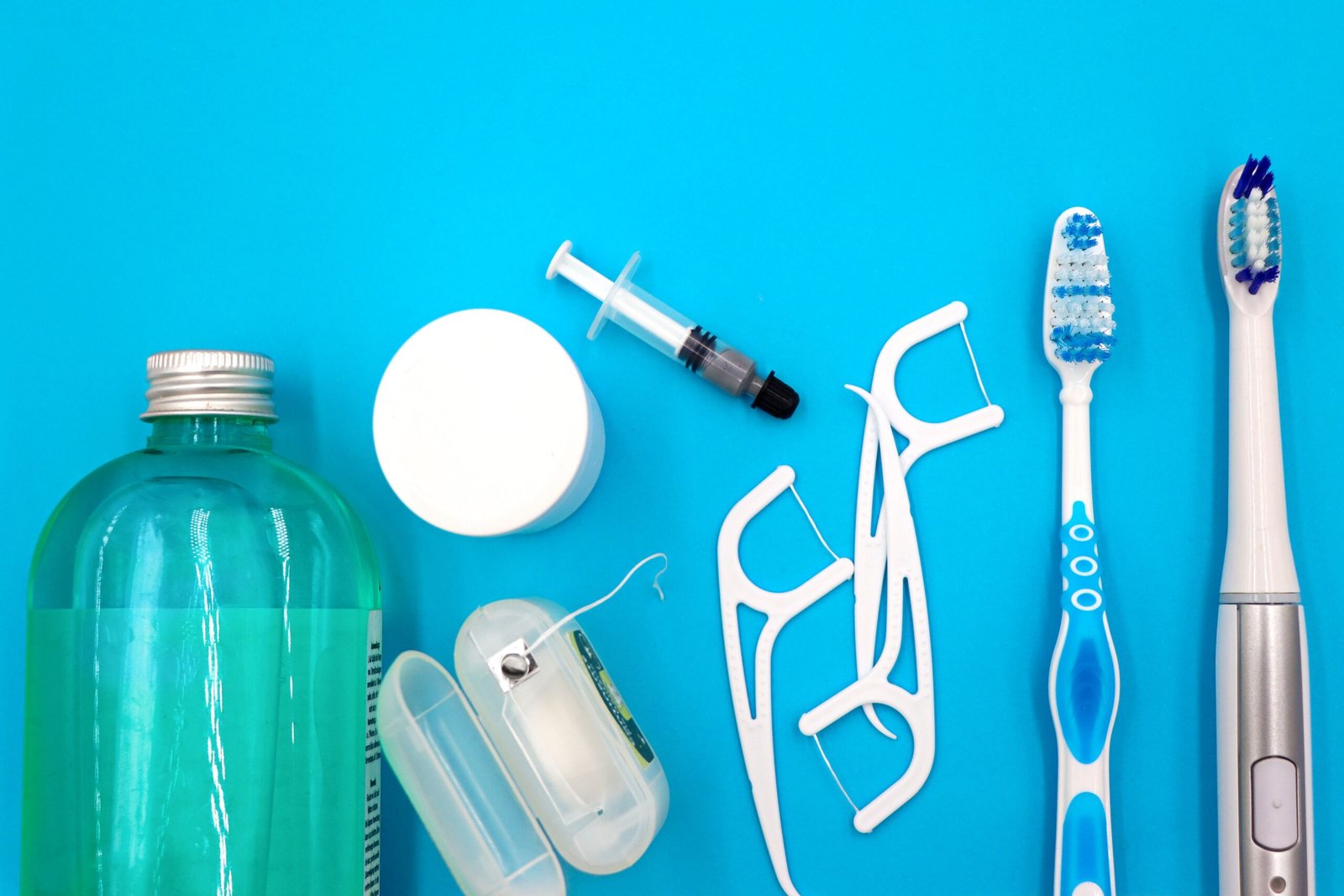
- Brush twice daily for two minutes with a fluoride toothpaste, covering every surface, including along the gum line
- Clean between your teeth daily, using floss or interdental brushes, since a toothbrush cannot reach these surfaces
- Use disclosing tablets occasionally to reveal plaque you’ve missed; they stain plaque a visible colour so you can see exactly where your technique needs improvement
- Rinse with a fluoride mouthwash at a different time to brushing, so you don’t wash the concentrated fluoride from toothpaste away too quickly
Do Electric Toothbrushes Remove More Plaque?
Yes, meaningfully. A Cochrane review, one of the highest standards of medical evidence, found electric toothbrushes removed 11% more plaque than manual brushing at one to three months of use, rising to 21% more at three months and beyond. This makes an electric toothbrush a genuinely evidence-backed upgrade, not just a marketing claim, particularly for anyone who struggles with brushing technique or has limited dexterity.
What You Cannot Remove at Home: Hardened Tartar
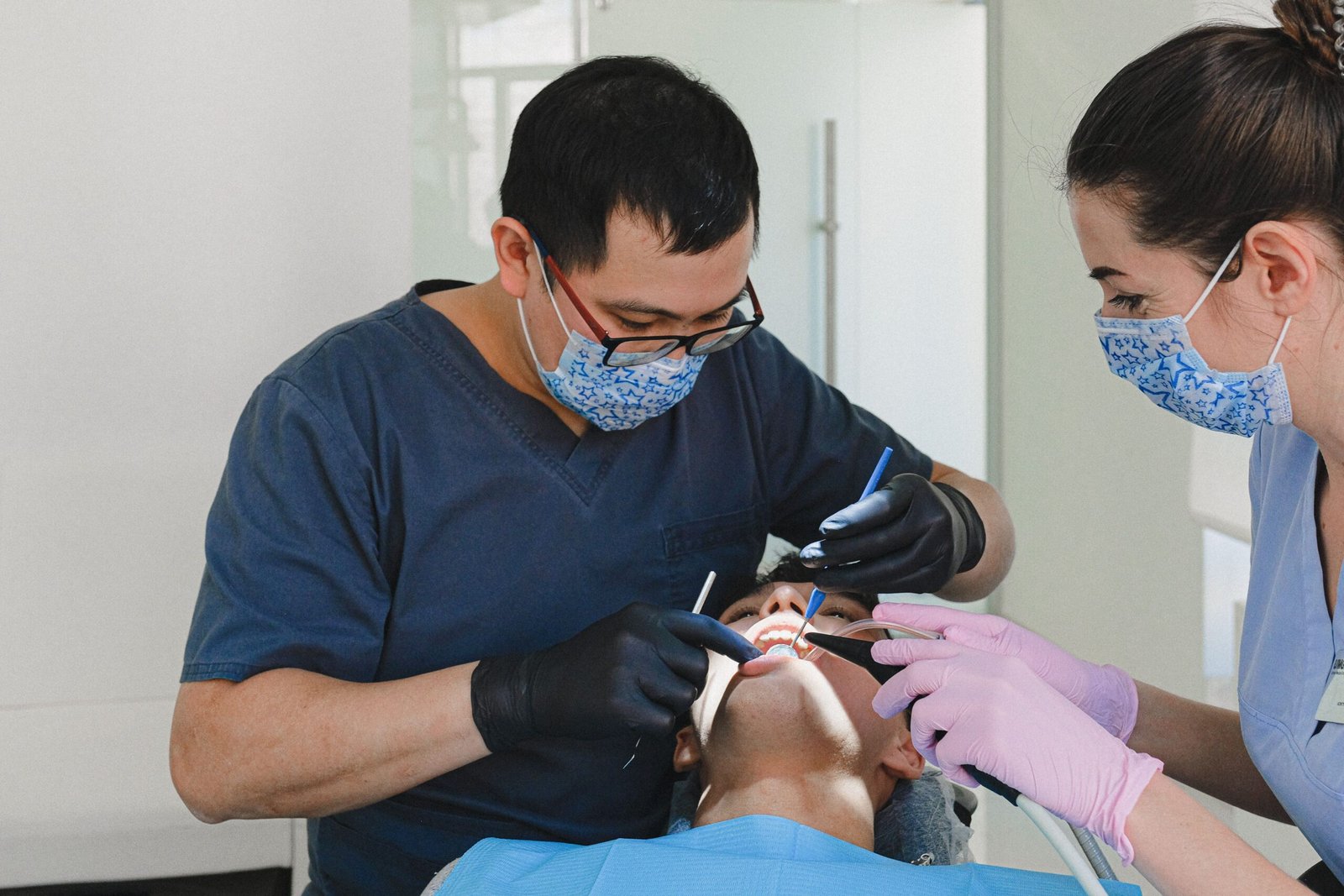
Once plaque calcifies into tartar, it bonds to the tooth surface in a way no toothbrush, floss or home tool can safely break down. Tartar most commonly builds up along the gum line and behind the lower front teeth, near your salivary glands. Removing it requires scaling, a professional procedure using specialised instruments, and typically takes 10 to 15 minutes as part of a hygiene appointment.
Do Home Remedies Actually Work?
| Remedy | What the Evidence Shows |
|---|---|
| Baking soda | Safe in moderation, mildly abrasive, but no evidence it removes existing tartar |
| Activated charcoal | More abrasive than standard toothpaste; can roughen enamel over time, making future plaque stick more easily |
| Oil pulling | No meaningful improvement in plaque or gum health beyond standard brushing and flossing in controlled research |
| Vinegar rinses | Acidic enough to erode enamel with regular use; not recommended |
| Tartar-control toothpaste (pyrophosphate) | Reduces formation of new tartar by 29 to 32% in trials; does not remove tartar already present |
Tartar-control toothpaste is the one genuinely evidence-backed product on this list, and it is preventive, not corrective. It slows how quickly new tartar forms; it cannot dissolve tartar that has already hardened onto your teeth.
The Tool to Avoid Entirely
Metal tartar-scraping tools, sold online and marketed for home use, carry a genuine risk of gum injury and enamel damage in untrained hands. The British Dental Association has reported that 82% of dentists have treated patients who attempted a form of DIY dentistry, including scraping their own teeth, and this consistently leads to worse outcomes than the tartar itself. If you can see visible tartar, book a hygiene appointment rather than attempting to remove it yourself.
Understanding Your Gum Score
Dentists in the UK commonly use the Basic Periodontal Examination, or BPE, to score gum health. Your mouth is divided into six sections, and each is scored from 0 to 4:
| Score | What It Means |
|---|---|
| 0 | Healthy gums, no bleeding, no pockets |
| 1 | Mild bleeding on gentle probing, otherwise healthy |
| 2 | Bleeding plus plaque or tartar present |
| 3 | Moderate gum pockets forming, early periodontal disease |
| 4 | Deep pockets, established periodontal disease |
A score of 3 or 4 in any section typically means you need periodontal treatment beyond a standard scale and polish. This is what your dentist means when they mention your “gum score” at a check-up.
How to Improve Your Gum Score
- Improve your daily brushing and interdental cleaning technique, since most low scores reflect missed plaque, not an untreatable condition
- Book professional scaling to remove existing tartar, since improved brushing alone cannot reverse hardened deposits
- Stop smoking if you smoke, since it significantly worsens gum disease progression and masks bleeding, a key early warning sign
- Manage diabetes carefully if you have it, since poor blood sugar control is directly linked to more severe gum disease
- Attend follow-up appointments at whatever interval your dentist recommends based on your specific score, not a generic fixed schedule
Why Plaque Matters: From Gingivitis to Gum Disease
Untreated plaque triggers gingivitis, the earliest stage of gum disease, marked by red, swollen gums that bleed easily. Gingivitis is reversible with improved oral hygiene and, if needed, professional cleaning. Left untreated, it can progress to periodontitis, a more serious, largely irreversible condition where the infection spreads below the gum line, breaking down the bone and tissue that hold teeth in place. This is why the 93% figure from the NHS Adult Oral Health Survey matters: most gum disease starts as something entirely manageable, but only if it’s caught and addressed early.
How Often Do You Actually Need a Scale and Polish?
There is no single correct answer for everyone. NICE guidance (CG19) recommends individualised recall intervals ranging from 3 to 24 months, based on your specific risk factors, not a blanket “every six months” rule many people assume is fixed. Someone with excellent oral hygiene and no gum disease history may genuinely need a check-up only once a year or less; someone with a history of gum disease, smoking, or diabetes may need scaling every three to four months.
NHS Scale and Polish Cost
A clinically necessary scale and polish sits within Band 1 at £27.90 in England, or Band 2 at £76.60 if more extensive periodontal treatment is needed. Our guides to NHS dental bands explained and dental hygienist cost and what to expect cover exactly what determines which band applies and what the appointment itself involves.
How to Stop Plaque and Tartar Coming Back
- Brush twice daily for two full minutes, not less, using a fluoride toothpaste
- Clean between your teeth every day, not just before a dental appointment
- Consider switching to an electric toothbrush if you currently use manual, given the meaningfully stronger plaque removal evidence
- Use a tartar-control toothpaste to slow new build-up, understanding it won’t remove what’s already there
- Attend your dentist-recommended check-up interval, whatever that specific number turns out to be for you
- Avoid DIY scraping tools entirely; book a professional scale and polish instead
Frequently Asked Questions
Can you remove tartar at home?
No. Once plaque hardens into tartar, it bonds to the tooth surface in a way that only professional scaling can safely remove. Home remedies and DIY scraping tools do not achieve this and carry a real risk of gum and enamel damage.
How quickly does plaque turn into tartar?
Typically within a matter of days if plaque isn’t removed through brushing and interdental cleaning. This is why daily, not occasional, oral hygiene is what actually prevents tartar formation.
Does mouthwash remove plaque on its own?
No. Mouthwash supports oral hygiene but does not physically remove plaque the way brushing and interdental cleaning do. It works best as an addition to, not a replacement for, mechanical cleaning.
What does a gum score of 3 or 4 mean?
It indicates moderate to established periodontal disease, meaning gum pockets have formed and treatment beyond a standard scale and polish is likely needed. Your dentist will recommend a specific treatment plan based on your score.
Is bleeding when I brush or floss normal?
No, and it shouldn’t be ignored. Bleeding gums are an early sign of gingivitis, which is entirely reversible with improved oral hygiene and, if needed, professional cleaning. Persistent bleeding is worth mentioning to your dentist rather than dismissing.
Do I really need to see a dentist every six months?
Not necessarily. NICE guidance recommends individualised recall intervals of 3 to 24 months based on your specific risk factors. Your dentist will tell you the appropriate interval for your situation rather than defaulting to a fixed schedule.
This article is for general information only and is not a substitute for professional dental advice. If you notice bleeding gums, persistent bad breath, or visible tartar, please consult your dentist.
About the Author: Written by the Well Ideas editorial team, dedicated to researching and sharing practical, evidence-informed wellness guidance for a healthier everyday life.