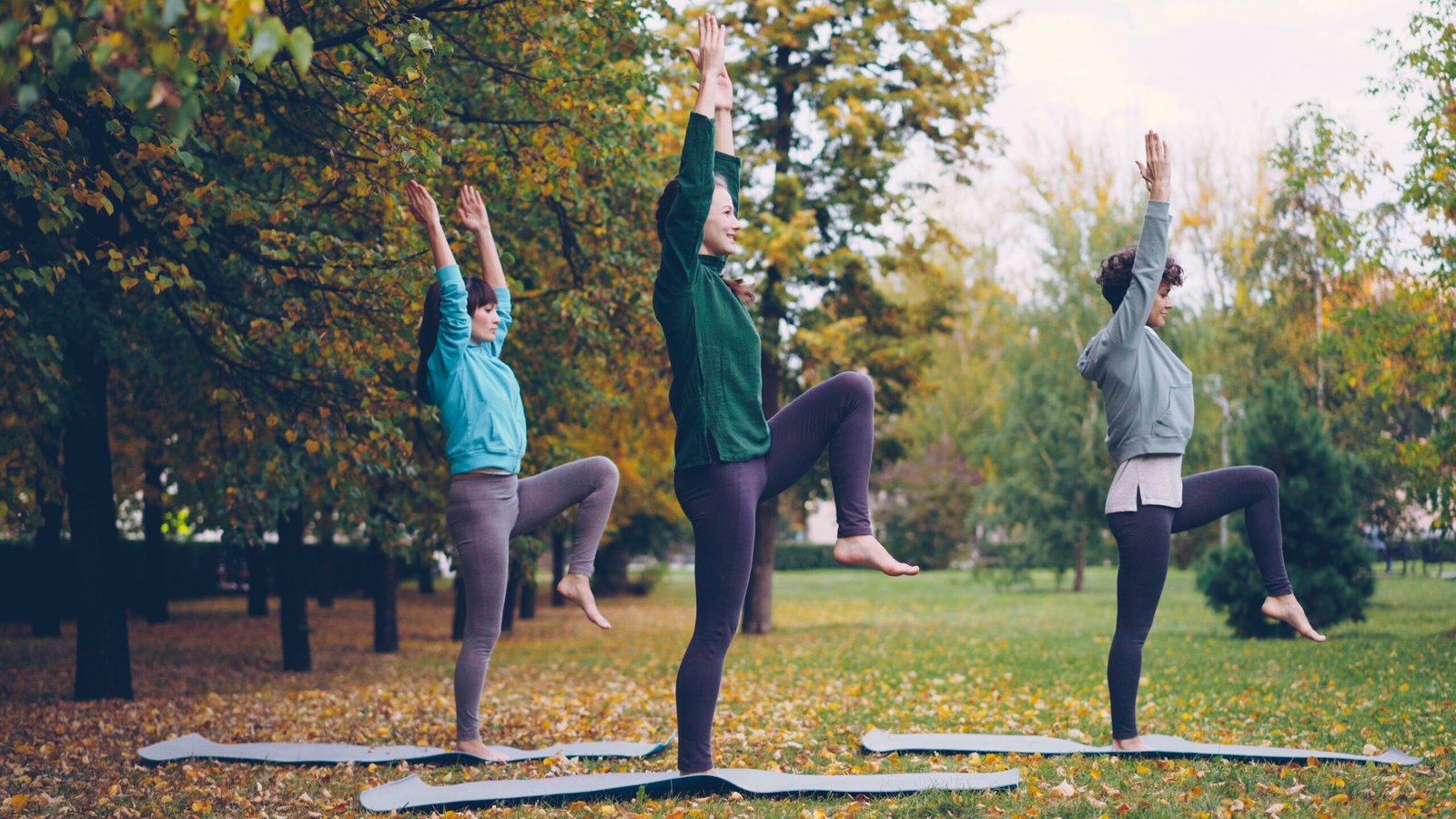
Yoga nidra is a guided relaxation practice, done lying down, that leads the body into a state between waking and sleeping while awareness stays lightly present. The name translates to “yogic sleep,” but the goal is not actual sleep: a teacher’s voice guides you through body awareness, breath, and visualisation while your nervous system shifts from sympathetic (alert) to parasympathetic (rest and restore). Neuroscientist Andrew Huberman popularised the term NSDR (non-sleep deep rest) as a modern umbrella that includes yoga nidra alongside related relaxation protocols.
What Is Yoga Nidra?
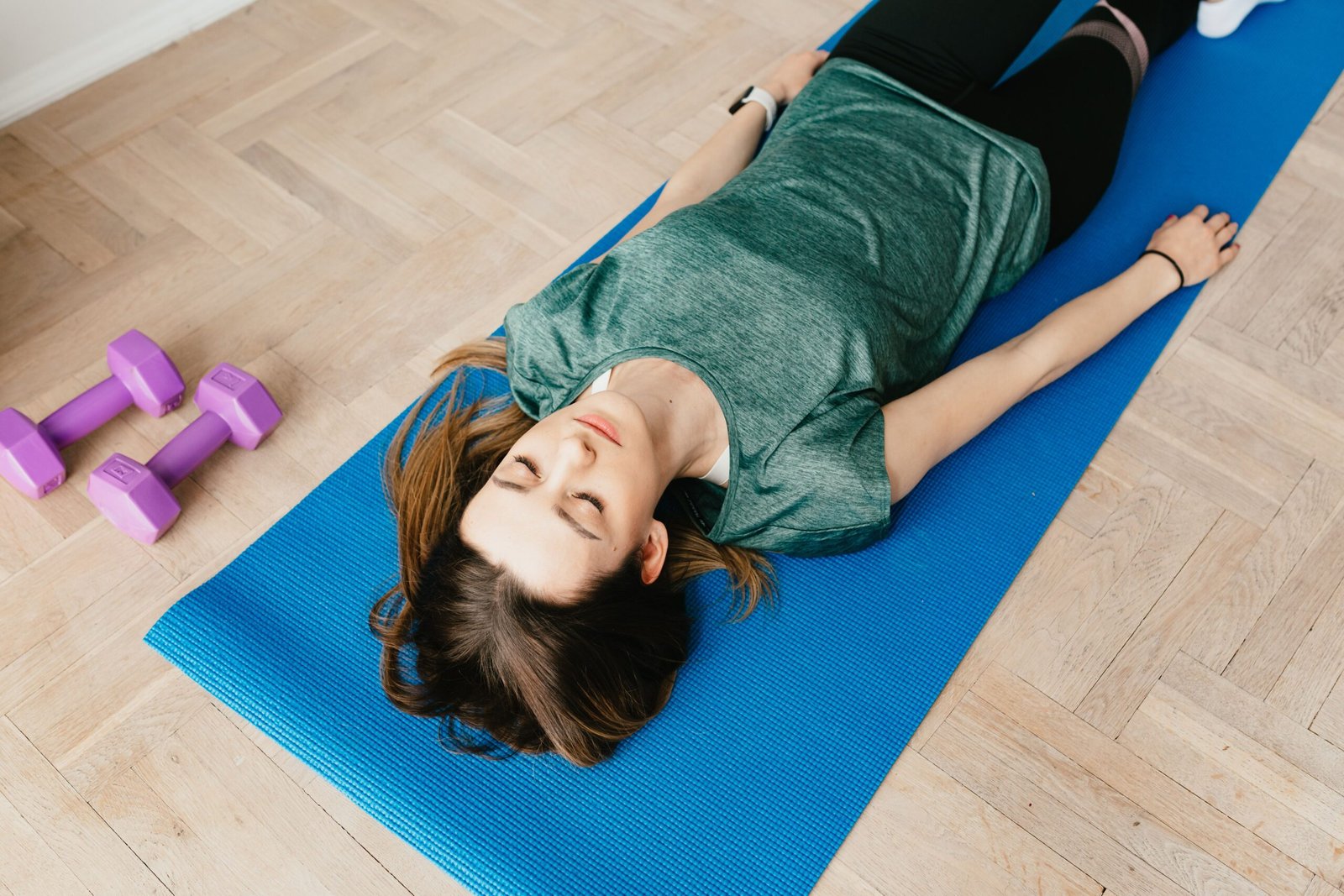
Yoga nidra is a guided meditation practiced lying down in shavasana (corpse pose), where a teacher’s script leads you through stages of relaxation: a body scan, breath awareness, and intention setting, followed by visualisation. First documented in ancient Indian philosophy, the practice was systematised in the 1960s by Swami Satyananda Saraswati, who introduced a structured format still used today. Unlike active meditation, which requires sustained focus, yoga nidra is passive: you follow the guide’s voice while your body settles, with no requirement to concentrate or “do it right.”
Yoga Nidra vs NSDR: What’s the Difference?
| Feature | Yoga Nidra | NSDR |
|---|---|---|
| Origin | Ancient yogic tradition, systematised in the 1960s | Modern term coined by neuroscientist Andrew Huberman |
| Language | Traditional yogic terminology, intention-setting (sankalpa) | Secular, neuroscience-based framing |
| Scope | A specific, structured practice | An umbrella term including yoga nidra, body scans, and sleep hypnosis |
| Core mechanism | Same: guided relaxation shifting the body into parasympathetic rest | Same: guided relaxation shifting the body into parasympathetic rest |
Yoga nidra is one specific form of NSDR; not every NSDR practice is yoga nidra. The underlying neuroscience and relaxation benefit are the same regardless of which name is used.
What Happens in the Body During Yoga Nidra
- Heart rate and blood pressure drop as the parasympathetic nervous system takes over from the sympathetic “fight or flight” response
- Cortisol falls, reducing the body’s primary stress hormone
- Heart rate variability increases, a marker associated with better stress resilience
- Dopamine rises: a 2002 PET scan study at the Kennedy Institute in Denmark found a 65% increase in dopamine release in the brain’s ventral striatum during yoga nidra, a finding linked to motivation and learning
- Brainwave activity shifts: EEG studies show increased theta waves alongside sustained delta wave activity, a pattern normally associated only with deep sleep
Evidence-Based Benefits of Yoga Nidra
- Improved sleep quality: a 2022 study published in PLOS ONE found significant sleep quality improvements in 93 participants after just two weeks of regular practice
- Reduced anxiety and stress: a 2020 meta-analysis in the International Journal of Yoga found consistent reductions in anxiety and stress markers, with effect sizes comparable to or larger than traditional meditation
- Better cognitive performance: a study of 41 participants found improved reaction times across multiple cognition tasks and better sleep efficiency after two to four weeks of practice
- Reduced mild depression symptoms: clinical studies associate regular yoga nidra practice with reductions in mild depression alongside anxiety
- Lower inflammation and blood pressure: research links consistent practice to reduced inflammation markers and lower resting blood pressure
How to Practise Yoga Nidra
- Find a quiet space where you won’t be disturbed, and lie down on your back in shavasana, using a blanket or pillow under your head or knees if needed
- Close your eyes and allow your body to settle, using an eye mask if practising during the day
- Follow a guided recording (10, 18, or 30-minute sessions are common) that leads you through a body scan, breath awareness, and visualisation
- Set a brief intention (sankalpa) at the start, a short, positive phrase held lightly in mind rather than actively repeated
- Allow yourself to rest without effort; if you fall asleep, you still receive partial benefit, and there is no “wrong” way to experience the practice
A 10-minute session can increase dopamine and leave you refreshed for focused work. A 30-60 minute session works well to recover from a poor night’s sleep or before bed as part of a wind-down routine.
A Note of Caution: Who Should Be Careful with Yoga Nidra
Yoga nidra is not universally suitable without adjustment. For people with post-traumatic stress disorder (PTSD), the stillness required can trigger a phenomenon called relaxation-induced anxiety, where the body interprets stillness as a threat rather than safety, and in some cases it can prompt hallucinations. Clinicians recommend yoga nidra for PTSD be practised only under professional supervision, if at all. Slow-motion movement practices or breathing-based alternatives are often better starting points for people with a strong anxiety-induced relaxation response.
Mudras: Hand Gestures Used Alongside Meditation
Mudras are symbolic hand gestures used in yoga and meditation to direct the flow of prana (vital energy) and support focus. In hatha yoga, mudras are typically practised in a seated meditative posture, often alongside pranayama (breathing exercises), and are believed to influence specific chakras or energy centres. They complement, rather than replace, meditation or yoga nidra practice.
Jnana Mudra (Gesture of Knowledge)
Touch the tip of the index finger to the tip of the thumb, forming a circle, with the remaining three fingers extended and relaxed. Rest the hands on the knees or thighs, palms facing upward (or downward for a more grounding variation, sometimes called chin mudra). Practised for at least 15 minutes, two to three times daily, jnana mudra is associated with mental clarity and focus, and is one of the most commonly used gestures during seated meditation.
Hakini Mudra (Brain Power Mudra)
Bring the fingertips of both hands together, palms not touching, held at chest or solar plexus level. This gesture is associated with the third-eye chakra and is commonly used to support concentration, memory and mental clarity, particularly during demanding cognitive work. Practise for 5 to 12 minutes, ideally on an empty stomach or with a 45-60 minute gap after eating.
Kali Mudra (Gesture of Release)
Interlace the fingers of both hands with the index fingers extended and pointed upward, held near the throat or solar plexus. Named after the goddess Kali, this gesture is associated with releasing fear and negative thought patterns. Start with two minutes and build up to five or ten minutes; those with wrist discomfort can rest their elbows on a cushion to reduce strain.
Combining Mudras with Yoga Nidra
Mudras are more commonly used during seated meditation or pranayama than during yoga nidra itself, since yoga nidra is typically practised lying flat with the arms relaxed at the sides. However, some practitioners incorporate a brief mudra practice as a preparation step before beginning a yoga nidra session, using the gesture to settle the mind before transitioning into the lying-down relaxation.
How Long Should a Yoga Nidra Session Be?
Sessions of 10 to 20 minutes are effective for a midday reset or focus boost, while 30 to 45 minute sessions are more commonly used to recover from disrupted sleep or as part of an evening wind-down routine. Research studies showing measurable benefits typically use sessions in this 10 to 45 minute range, practised consistently over two or more weeks. If you’re building a broader wind-down routine, our guide to how to sleep better naturally covers additional evidence-based habits that pair well with a yoga nidra practice.
Frequently Asked Questions
Can yoga nidra replace sleep?
No. Yoga nidra provides restorative benefits similar to some aspects of sleep, including dopamine release and parasympathetic activation, but it does not replace the specific biological processes that occur during actual sleep, including certain stages of memory consolidation and physical repair.
Is yoga nidra safe for beginners?
Yes, for most people. It requires no physical movement, flexibility, or prior meditation experience, making it one of the more accessible practices for beginners. People with PTSD or a strong anxiety response to stillness should approach it cautiously and ideally with professional guidance.
What’s the difference between a mudra and a mantra?
A mudra is a physical hand gesture, while a mantra is a spoken or silently repeated word or phrase. They are often used together during meditation, such as holding kali mudra while silently repeating an associated affirmation, but they are distinct practices.
Can I do yoga nidra every day?
Yes. Many of the studies showing measurable benefits used daily or near-daily practice over two or more weeks. There is no established upper limit, and daily practice is generally considered safe for most people without contraindications.
This article is for general information only and is not a substitute for professional mental health advice. If you have PTSD or a trauma history, please consult a qualified therapist or trauma-informed teacher before practising yoga nidra.
About the Author: Written by the Well Ideas editorial team, dedicated to researching and sharing practical, evidence-informed wellness guidance for a healthier everyday life.