Can food help with stress?
Food cannot cure stress. But regular, balanced meals can help you cope better. This guide explains what stress is, which UK foods support a balanced diet, and when to ask a GP or NHS 111 for help.
No single food fights stress on its own. Claims about single “superfoods” are often overstated. What matters most is your overall diet, your sleep, and how you handle pressure day to day.
What is stress?
Stress is how the body reacts to pressure or change. A short burst of stress can help you focus. But stress that goes on for weeks can affect your sleep, your mood, and your health.
Common signs include headaches, tense muscles, poor sleep, irritability, and trouble concentrating. Your appetite may change too. Some people eat more. Others skip meals.
Stress is common. It is not a sign of weakness. If it starts to affect your daily life, speak to your GP. Our guide to how to sleep better naturally may help while you wait for an appointment.
How food and stress are linked
Skipping meals can leave you tired and short-tempered. Regular meals help keep your energy steady. A balanced diet also supports your general health.
The NHS advises people not to rely on alcohol, smoking, or caffeine as a way of coping with stress. Alcohol does not help stress. It can make sleep worse and low mood worse.
Caffeine late in the day can also disturb sleep. Try to keep tea and coffee to the morning and early afternoon. Choose water, milk, or caffeine-free drinks in the evening.
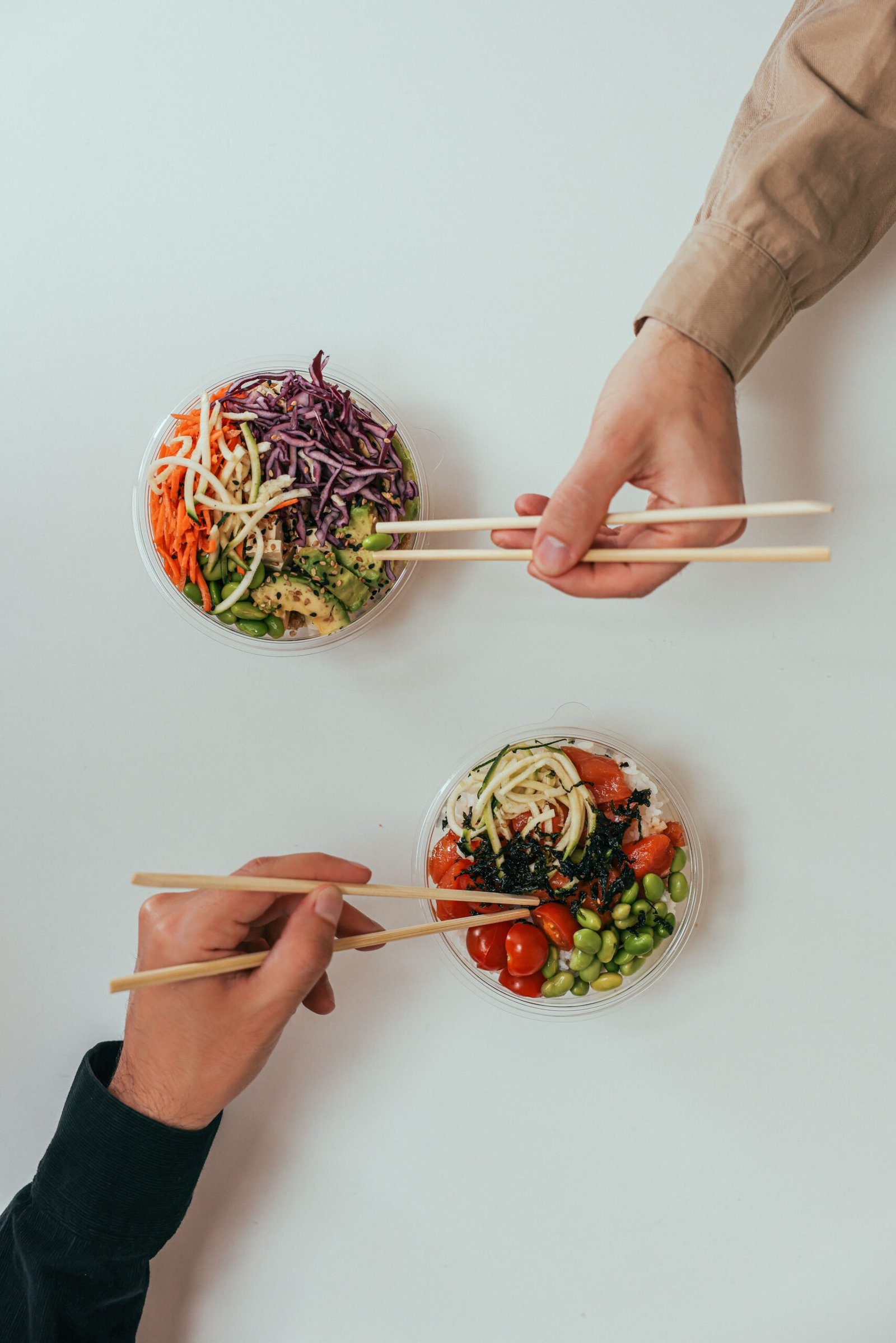
The NHS Eatwell Guide shows what a balanced diet looks like. It includes fruit and vegetables, potatoes, bread, rice, pasta and other starchy foods, dairy and alternatives, and beans, pulses, fish, eggs, meat and other proteins. Food also affects your gut. Read our guide to the best foods for gut health for more detail.
UK foods that support a balanced diet
The foods below are all easy to find in UK supermarkets. They are sources of the nutrients listed. They are not treatments for stress. No food has been shown to cure stress or anxiety.
| Food | What it offers | Easy UK idea |
|---|---|---|
| Oats | Fibre and slow-release energy | Porridge with milk and berries |
| Oily fish, such as salmon, mackerel and sardines | Omega-3 fats and protein | Tinned sardines on wholemeal toast |
| Eggs | Protein | Boiled eggs with wholemeal soldiers |
| Beans and lentils | Fibre and protein | Lentil soup or beans on toast |
| Leafy greens, such as spinach, kale and spring greens | Folate and fibre | Stir into soup or pasta |
| Berries and apples | Fibre and vitamin C | Frozen berries stirred into yoghurt |
| Nuts and seeds, such as walnuts and pumpkin seeds | Healthy fats and fibre | A small handful as a snack |
| Plain yoghurt | Protein and calcium | Yoghurt with fruit and oats |
| Water | Hydration | Keep a bottle on your desk |
Frozen fruit and vegetables count towards your daily total. They are often cheaper than fresh. Tinned fish and tinned beans are good store cupboard options too.
A simple UK day of eating
Breakfast: Porridge with milk, a sliced banana, and a small handful of nuts.
Lunch: A wholemeal sandwich with egg and salad, plus an apple.
Dinner: Salmon or baked beans, with potatoes and spring greens.
Snacks: Plain yoghurt with berries, or a few unsalted nuts.
Keep the plan simple. Small, regular meals are easier to stick to than a strict diet. If you often skip lunch, set a reminder on your phone.
What to limit when you feel stressed
Sugary drinks and snacks. They can give a quick lift, then a sharp drop in energy.
Very salty snacks. Crisps and ready meals can be high in salt. Check the label.
Too much caffeine. Large amounts can add to restlessness and poor sleep.
Alcohol. Do not use alcohol to manage stress. If you drink, keep it within low-risk levels and have alcohol-free days. If you find it hard to cut down, speak to your GP.
When to seek help
Talk to your GP if stress is constant, if it affects your sleep, work, or relationships, or if you feel unable to cope. A GP can talk through options and signpost local support.
Call NHS 111 if you need urgent health advice and cannot wait for a GP appointment. NHS 111 can tell you where to get help. In an emergency, call 999.
If you feel you may act on thoughts of harming yourself, call 999 or Samaritans on 116 123. Samaritans is free to call, day or night. You can also try the deep breathing exercises in our guide while you get help.
Frequently asked questions
Can food cure stress?
No. Food cannot cure stress. A balanced diet, good sleep, and support can help you cope better. If stress is severe, speak to a GP.
What is the best food for stress?
There is no single best food. A varied diet with wholegrains, fruit and vegetables, beans, fish, and dairy or alternatives is a better aim than any one item.
Does alcohol help stress?
No. Alcohol is not a way to manage stress. The NHS advises people not to rely on alcohol, smoking, or caffeine as a way of coping.
Should I take supplements for stress?
Supplements are not a substitute for a balanced diet or for medical help. Speak to your GP or a pharmacist before you start one, especially if you take other medicines.
When should I see a GP about stress?
See a GP if stress lasts for weeks, affects your daily life, or stops you sleeping. Call NHS 111 if you need advice sooner. Call 999 in an emergency.
Sources
If a claim in this article cannot be verified from the NHS, it is left out. For personal advice, check NHS.uk or speak to your GP.