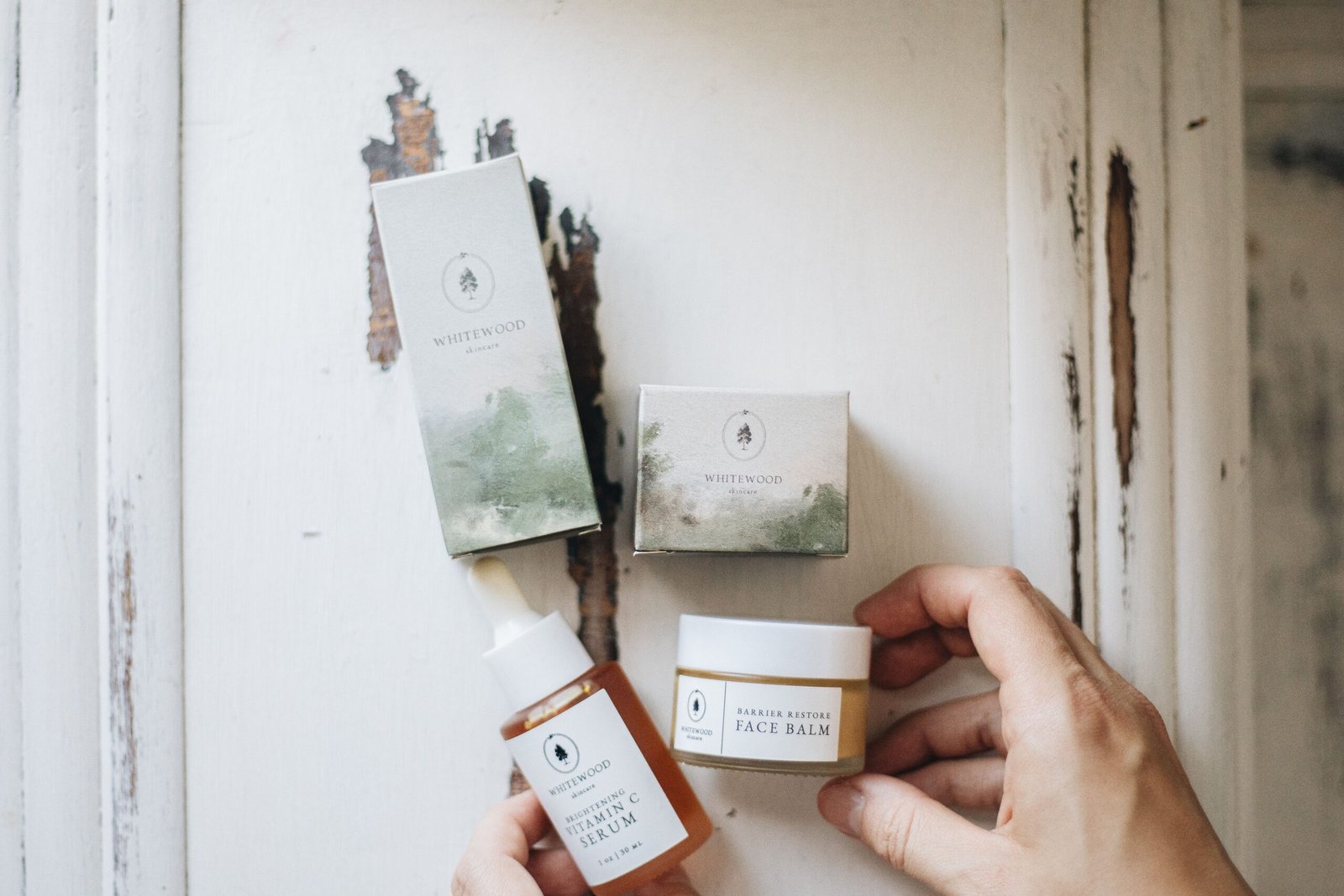
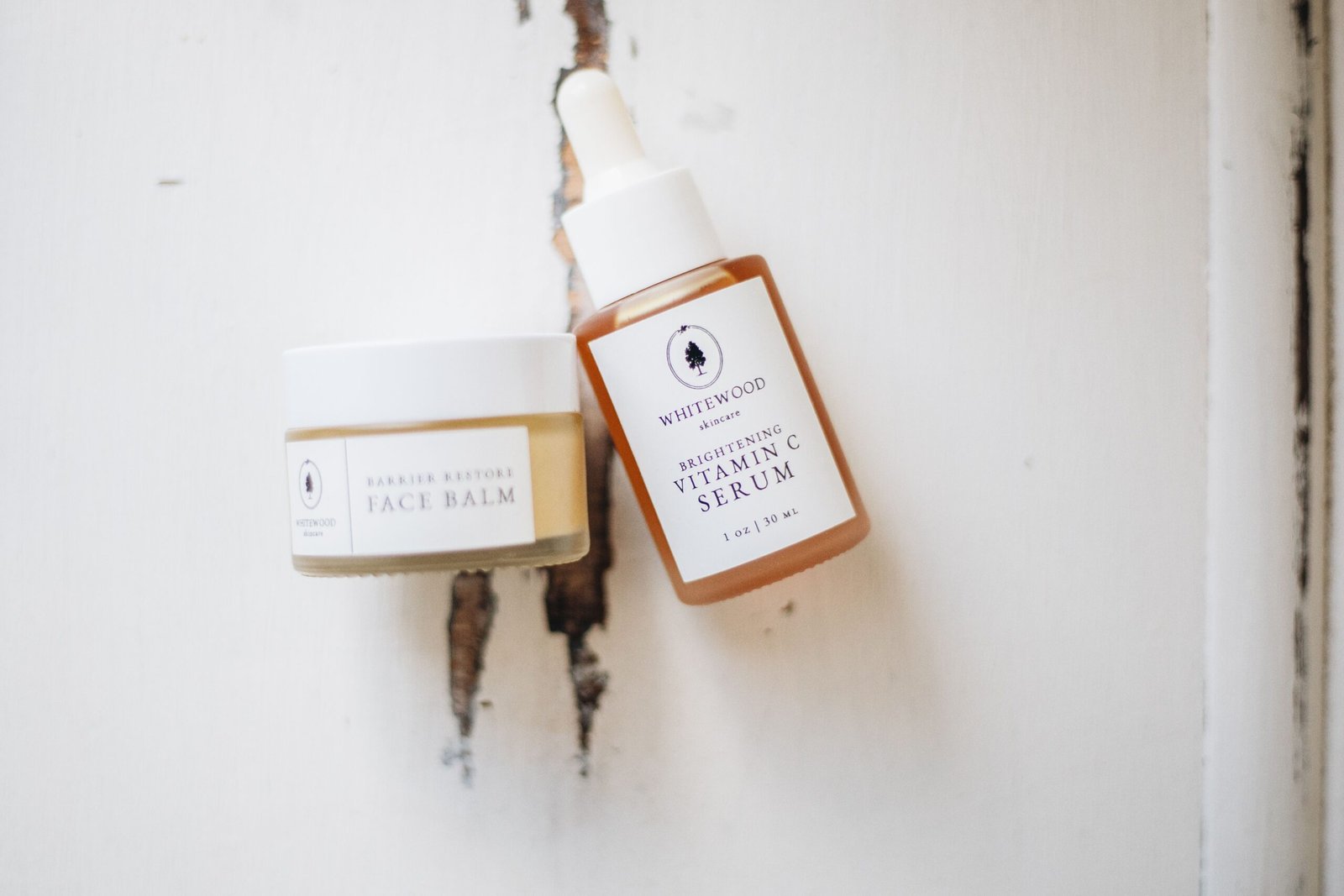
Vitamin C serum brightens skin tone, fades dark spots, boosts collagen production, and protects against free radical damage from UV exposure and pollution. It’s a water-soluble antioxidant your skin cannot produce or store efficiently on its own, which is why topical application delivers concentrations that oral intake alone can’t achieve at the skin level.
How Vitamin C Works on Skin
Vitamin C is a required cofactor for two enzymes, prolyl hydroxylase and lysyl hydroxylase, both essential for building stable, functional collagen. Without adequate vitamin C, collagen production is impaired, leading to weaker skin structure and more visible signs of ageing. Separately, vitamin C’s antioxidant activity neutralises free radicals, unstable molecules generated by UV exposure and pollution that break down existing collagen and accelerate skin ageing.
Evidence-Based Benefits of Vitamin C Serum
1. Boosts Collagen Production
A 2017 study published in Clinical, Cosmetic and Investigational Dermatology found topical vitamin C increased collagen synthesis in human skin, improving firmness over 12 weeks. A separate small-scale study found a 5% vitamin C solution applied for 6 months increased skin thickness compared to a placebo, supporting its role as a genuine collagen booster rather than a purely cosmetic ingredient.
2. Brightens Skin and Fades Dark Spots
Vitamin C is theorised to reduce melanin production, which is why it’s commonly used to address hyperpigmentation caused by sun exposure, ageing or acne scarring. Clinical testing on one 20% L-ascorbic acid formula found a 23% improvement in skin radiance and luminosity after a 12-week trial.
3. Reduces the Appearance of Fine Lines and Wrinkles
By supporting collagen synthesis and protecting existing collagen from oxidative breakdown, vitamin C serum is linked to measurable reductions in fine line depth. The same 12-week clinical trial referenced above found a 21.2% improvement in the appearance of fine lines and wrinkles alongside an 18.6% improvement in firmness and elasticity.
4. Protects Against Environmental Damage
As an antioxidant, vitamin C neutralises free radicals generated by UV rays and pollution before they can damage collagen and skin cells. It is not a sunscreen replacement and offers only minimal protection against sunburn on its own, but it works as a genuine complement to daily SPF, addressing oxidative damage that sunscreen alone doesn’t fully prevent.
5. Supports Wound Healing
Because wound healing depends heavily on collagen formation, and vitamin C is essential to that process, a vitamin C deficiency is linked to slower wound healing. A 2017 review found vitamin C supplementation had a positive effect on skin healing and growth by boosting antioxidant activity both in the body and at the skin level.
6. Improves the Appearance of Dark Circles
A small 14-person study found vitamin C helped improve the appearance of dark under-eye circles caused by pooled blood, likely through its collagen-boosting effect thickening the skin under the eye, which makes the pooled blood beneath it less visible.
Forms of Vitamin C in Serums
| Form | Effectiveness | Best For |
|---|---|---|
| L-ascorbic acid | Most bioactive and well-researched, but unstable and can cause acid burn in raw powder form | Most skin types, avoid raw powder formulations |
| Magnesium ascorbyl phosphate | More stable, gentler | Sensitive skin |
| Sodium ascorbyl phosphate | Stable, still delivers collagen-boosting benefit | Sensitive or reactive skin |
| Tetrahexyldecyl ascorbate | Oil-soluble, stable, strong brightening effect | Dry or combination skin |
How to Use Vitamin C Serum
- Apply in the morning: after cleansing, before moisturiser and SPF, so the antioxidant protection is active during the day when environmental exposure is highest
- Concentration: 10-20% L-ascorbic acid is typical in effective formulations; higher isn’t automatically better and can increase irritation risk
- Storage: keep in a cool, dark place in a well-sealed, opaque container, since vitamin C oxidises and loses potency when exposed to light and air
- Pairing: combining with vitamin E and ferulic acid stabilises the formula and enhances antioxidant protection; pairing with retinol at night offers complementary collagen and cell-turnover benefits
- Patch test first: particularly for sensitive skin, since L-ascorbic acid at higher concentrations can cause irritation in some people
If you’re building a full skincare routine around active ingredients, our guide to the benefits of niacinamide for skin covers how vitamin C pairs with niacinamide, a common combination that addresses both brightening and barrier support simultaneously.
Vitamin C vs Niacinamide: Which Should You Use First?
| Feature | Vitamin C | Niacinamide |
|---|---|---|
| Primary strength | Brightening, collagen synthesis, antioxidant protection | Barrier repair, oil control, pore appearance |
| Best time of use | Morning, under sunscreen | Morning or evening |
| Skin sensitivity | Can cause irritation at higher concentrations | Very well tolerated, including sensitive skin |
| Can they be combined? | Yes, safe and often used together | Yes, safe and often used together |
Earlier concerns about vitamin C and niacinamide destabilising each other when combined have largely been disproven by more recent formulation research; most modern serums are stable enough to layer both.
How Long Does Vitamin C Serum Take to Work?
Most people notice subtle improvements in skin brightness and texture within 2-4 weeks of consistent daily use. More significant changes in elasticity and fine line reduction typically become apparent after 8-12 weeks, matching the timeline used in most clinical trials showing measurable collagen and firmness improvements.
Potential Side Effects
Topical vitamin C is generally well tolerated, but in rare cases can cause mild irritation, redness, or a stinging sensation, particularly at higher concentrations of L-ascorbic acid or in people with sensitive skin. Starting with a lower concentration and gradually increasing frequency reduces this risk.
Frequently Asked Questions
Does vitamin C serum replace sunscreen?
No. Vitamin C alone is only minimally effective at preventing sunburn and does not replace sunscreen. It works as a complementary antioxidant, neutralising free radical damage that occurs alongside UV exposure, while sunscreen remains essential for direct UV protection.
Why did my vitamin C serum change colour?
Colour change, typically to a yellow or amber tone, happens when vitamin C oxidises after exposure to air or light. The product generally remains usable in early stages of oxidation, though a significantly darkened serum has likely lost much of its potency.
Can I use vitamin C serum with retinol?
Yes, though most dermatologists recommend using vitamin C in the morning and retinol at night, since combining both provides complementary benefits: vitamin C supports collagen synthesis and antioxidant protection, while retinol drives cell turnover and further stimulates collagen production.
Is a higher vitamin C percentage always better?
No. Most effective formulations sit between 10-20% L-ascorbic acid. Concentrations above this range don’t necessarily improve results and meaningfully increase the risk of irritation, particularly for sensitive skin.
This article is for general information only and is not a substitute for professional dermatological advice. If you have persistent irritation or a skin condition, please consult a dermatologist.
About the Author: Written by the Well Ideas editorial team, dedicated to researching and sharing practical, evidence-informed wellness guidance for a healthier everyday life.