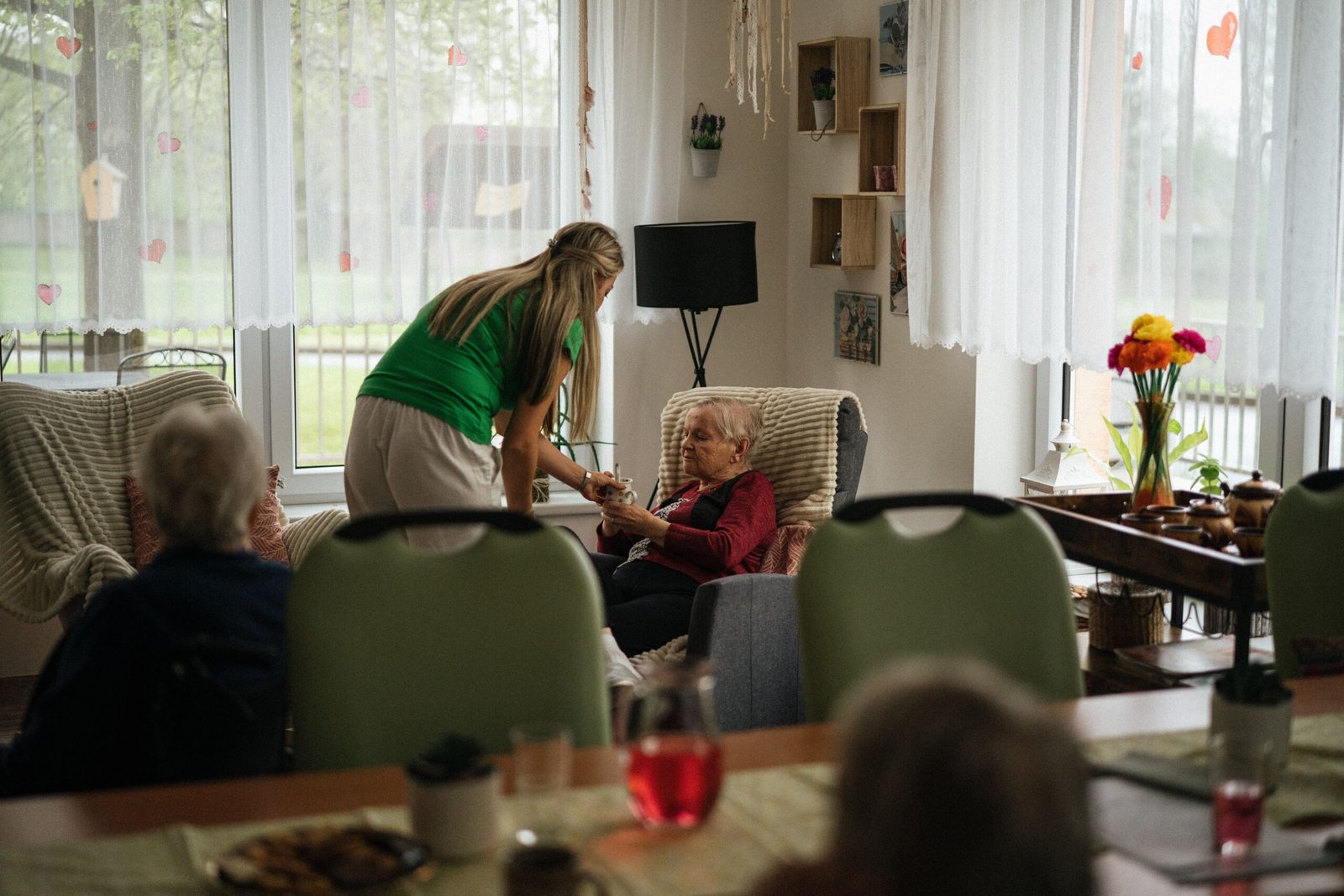

Grief is the natural emotional response to loss, and there is no single correct way to move through it. Current research emphasises that grief rarely follows a fixed sequence of stages; instead, it tends to come in waves, influenced by the nature of the loss, personal coping style, available support, and cultural background. Most people move through grief over time with the support of family, friends and healthy coping habits, though around 40% of bereaved people benefit from additional support, and some develop prolonged grief disorder, a recognised condition that responds well to targeted treatment.
Understanding Grief: Beyond the “Five Stages”
Psychiatrist Elisabeth Kübler-Ross introduced the widely known five stages of grief, denial, anger, bargaining, depression, and acceptance, in 1969, based on her work with terminally ill patients, not bereaved people. Current research increasingly emphasises that these stages are not linear steps everyone passes through in order, and some people don’t experience several of them at all. An alternative model, William Worden’s Four Tasks of Mourning, frames grief as non-linear and cyclical: accepting the reality of the loss, processing the pain, adjusting to a world without the person, and finding a way to maintain a connection to them while moving forward. Different frameworks resonate with different people; neither is more “correct,” and it’s worth not forcing your experience into a model that doesn’t match how you actually feel.
Common Symptoms of Grief
- Emotional: sadness, anger, guilt, relief, numbness, or a mix of seemingly contradictory feelings, sometimes within the same day
- Physical: fatigue, appetite changes, trouble sleeping, and a general sense of being physically depleted
- Cognitive: difficulty concentrating, forgetfulness, and intrusive thoughts about the loss
- Behavioural: withdrawing from others, or conversely needing constant company; avoiding reminders of the loss, or seeking them out repeatedly
All of these are normal responses to loss and don’t require treatment on their own; they become a concern specifically when they persist intensely well beyond what feels sustainable or begin preventing daily functioning.
Evidence-Based Coping Strategies
1. Acknowledge the Pain Rather Than Suppress It
Allowing yourself the time and space to mourn, whenever and however it surfaces, is consistently recommended across grief research. Suppressing emotions or pretending to be “fine” tends to prolong suffering rather than resolve it, since unprocessed grief doesn’t disappear, it resurfaces later, often less predictably.
2. Stay Connected Rather Than Isolate
It’s normal to need alone time while grieving, but sustained isolation tends to worsen the experience. Reminding yourself of the connections you still have, and allowing others to support you, is one of the most consistently cited coping strategies across grief research.
3. Practise Mindfulness
Research from the National Center for Complementary and Integrative Health indicates mindfulness approaches can be as effective as some evidence-based therapies for managing the anxiety and depression symptoms that frequently accompany grief. Short breathing exercises or body scans help calm an overwhelmed nervous system without requiring you to “fix” or resolve the underlying grief itself.
4. Take Care of Yourself Physically
Grief is physically taxing, and basic self-care, adequate sleep, regular meals, and some movement, supports the emotional processing happening alongside it. This isn’t about “getting back to normal” quickly; it’s about giving your body the resources it needs to carry the emotional weight of loss.
5. Use the Dual Process Model
This framework describes healthy grieving as an oscillation between two modes: loss-oriented coping (directly processing the grief, feeling the pain) and restoration-oriented coping (re-engaging with daily life responsibilities and finding moments of normalcy). Neither mode alone is sufficient; moving between both, rather than staying fixed in one, tends to support healthier long-term adjustment.
6. Consider a Support Group
Connecting with others who understand grief firsthand can ease isolation and normalise difficult emotions. Local hospices, hospitals, religious communities, and government agencies often run in-person or online grief support groups specific to different types of loss.
Grief vs Depression: Key Differences
| Feature | Grief | Clinical Depression |
|---|---|---|
| Focus | Centred on the loss and the person who died | Often more pervasive, extending beyond the loss to a sense of worthlessness |
| Self-worth | Typically preserved, even amid intense sadness | Frequently involves feelings of worthlessness or excessive guilt |
| Waves vs constancy | Comes in waves, often triggered by reminders, with moments of relief between | Tends to be more constant and pervasive |
| Positive emotion | Capacity for joy or humour typically remains, even briefly | Often significantly diminished across most areas |
Grief and depression can overlap and even co-occur, which is part of why professional input is valuable when it’s hard to tell the two apart, particularly if low mood feels constant rather than wave-like.
Prolonged Grief Disorder: When Grief Needs Professional Support
Prolonged grief disorder is a formal diagnosis recognised in the DSM-5-TR, defined as intense, persistent grief lasting at least 12 months for adults (6 months for children) that significantly impairs daily functioning. It differs from typical grief in duration and intensity, not in the nature of the emotions themselves. Evidence-based treatments, including cognitive behavioural therapy (CBT) and Complicated Grief Therapy (CGT), have demonstrated effectiveness for this condition specifically.
Types of Grief Worth Understanding
| Type | Description |
|---|---|
| Anticipatory grief | Grief experienced before a loss occurs, common among long-term caregivers of someone terminally ill |
| Disenfranchised grief | Grief that isn’t widely recognised or validated by others, such as pet loss, pregnancy loss, or grieving an estranged relationship |
| Ambiguous loss | Grief without clear resolution, such as a loved one with dementia who is physically present but emotionally absent |
| Complicated grief | Grief that deviates from a typical pattern: absent, delayed, or chronic in ways that interfere with functioning |
Disenfranchised grief deserves particular acknowledgement, since a loss that others don’t fully recognise as significant doesn’t make the grief itself any less real or worthy of support.
Supporting Someone Else Through Grief
- Offer a listening ear or practical help, running errands, preparing a meal, rather than only checking in verbally
- Avoid clichés or attempts to “fix” their pain; presence matters more than having the right words
- Ask about their specific needs rather than assuming what would help
- Be patient and available over the long term, since grief support is often needed well beyond the initial weeks after a loss
How Long Does Grief Last?
There is no fixed timeline for grief, and research explicitly cautions against expecting a “normal” duration. Symptoms of typical grief often ease significantly within one to two years for many people, though grief can resurface, particularly around anniversaries, birthdays, or other significant reminders, well beyond that window. This is a normal part of an ongoing relationship with loss, not a sign that something has gone wrong.
When to Seek Professional Help
Consider speaking to a GP or grief counsellor if grief is interfering with your ability to carry out daily activities like getting dressed, sleeping or eating, if symptoms haven’t eased after six months, or if you notice persistent hopelessness, thoughts of self-harm, or reliance on alcohol or other substances to cope. Grief counselling offers a structured, compassionate space to process loss using evidence-based approaches like CBT, without any expectation of “moving on” from or forgetting the person who died.
Frequently Asked Questions
Is it normal to feel relief alongside grief?
Yes. Particularly after a prolonged illness or a difficult relationship, relief is a completely normal and common part of grief, and it doesn’t diminish the love or loss you also feel. Grief regularly involves seemingly contradictory emotions existing together.
Can grief cause physical health problems?
Yes. Grief is associated with fatigue, sleep disruption, appetite changes, and increased vulnerability to illness during the acute period, since the stress response activated by loss affects the body alongside the mind.
How do I know if I need grief counselling versus just more time?
If grief is preventing you from managing daily responsibilities, if symptoms haven’t started easing after six months, or if you’re relying on alcohol or substances to cope, these are signals that professional support could help, regardless of how much time has passed.
Is it okay to grieve a loss others don’t consider significant?
Yes, completely. Disenfranchised grief, loss that isn’t widely recognised by others, such as a pet, a miscarriage, or an estranged relationship, is just as valid and deserving of support and processing time as any other form of loss.
This article is for general information only and is not a substitute for professional mental health advice. If grief is affecting your ability to function, or if you are experiencing thoughts of self-harm, please speak to a GP, grief counsellor, or contact a crisis support service immediately.
About the Author: Written by the Well Ideas editorial team, dedicated to researching and sharing practical, evidence-informed wellness guidance for a healthier everyday life.