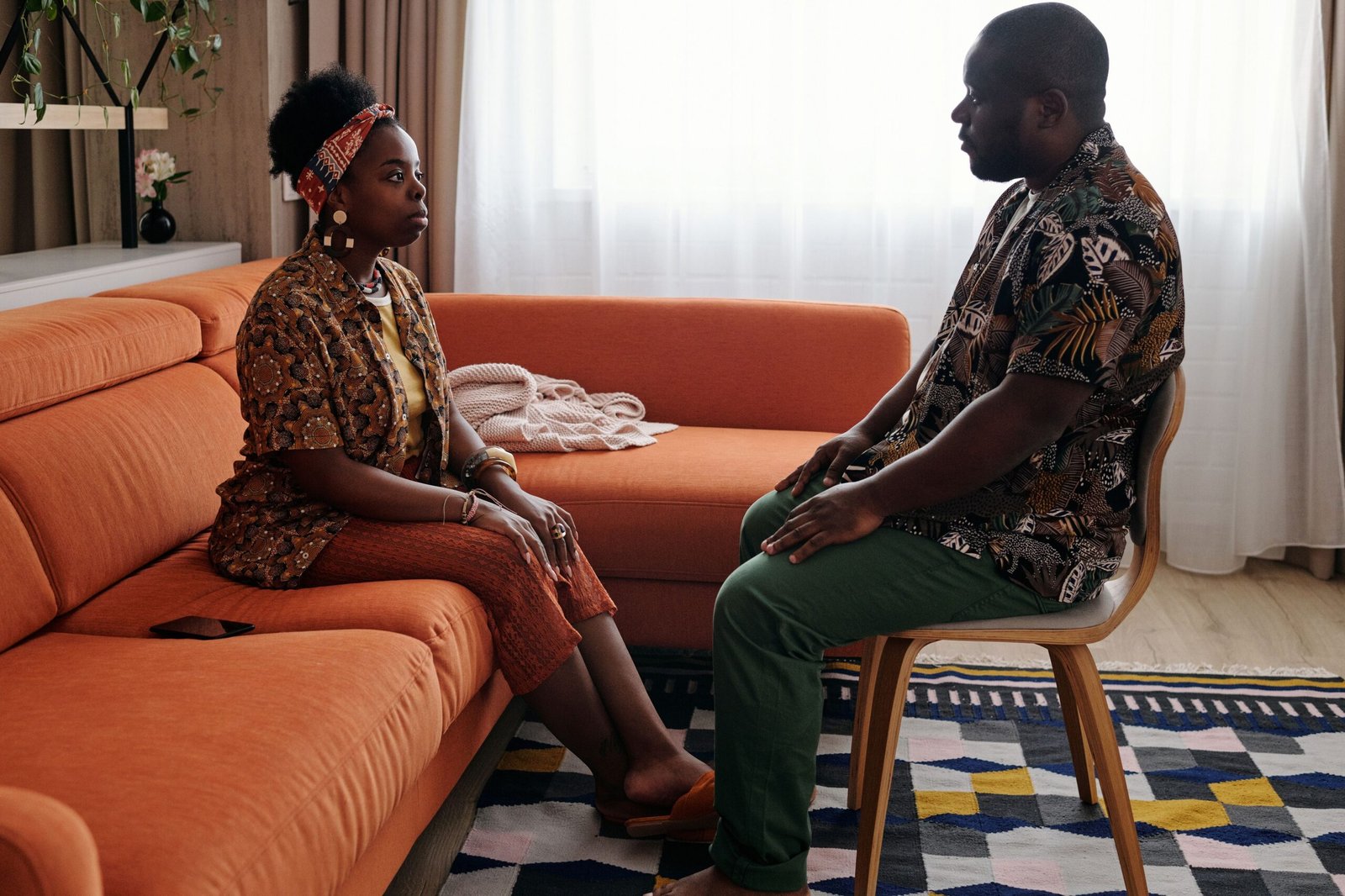
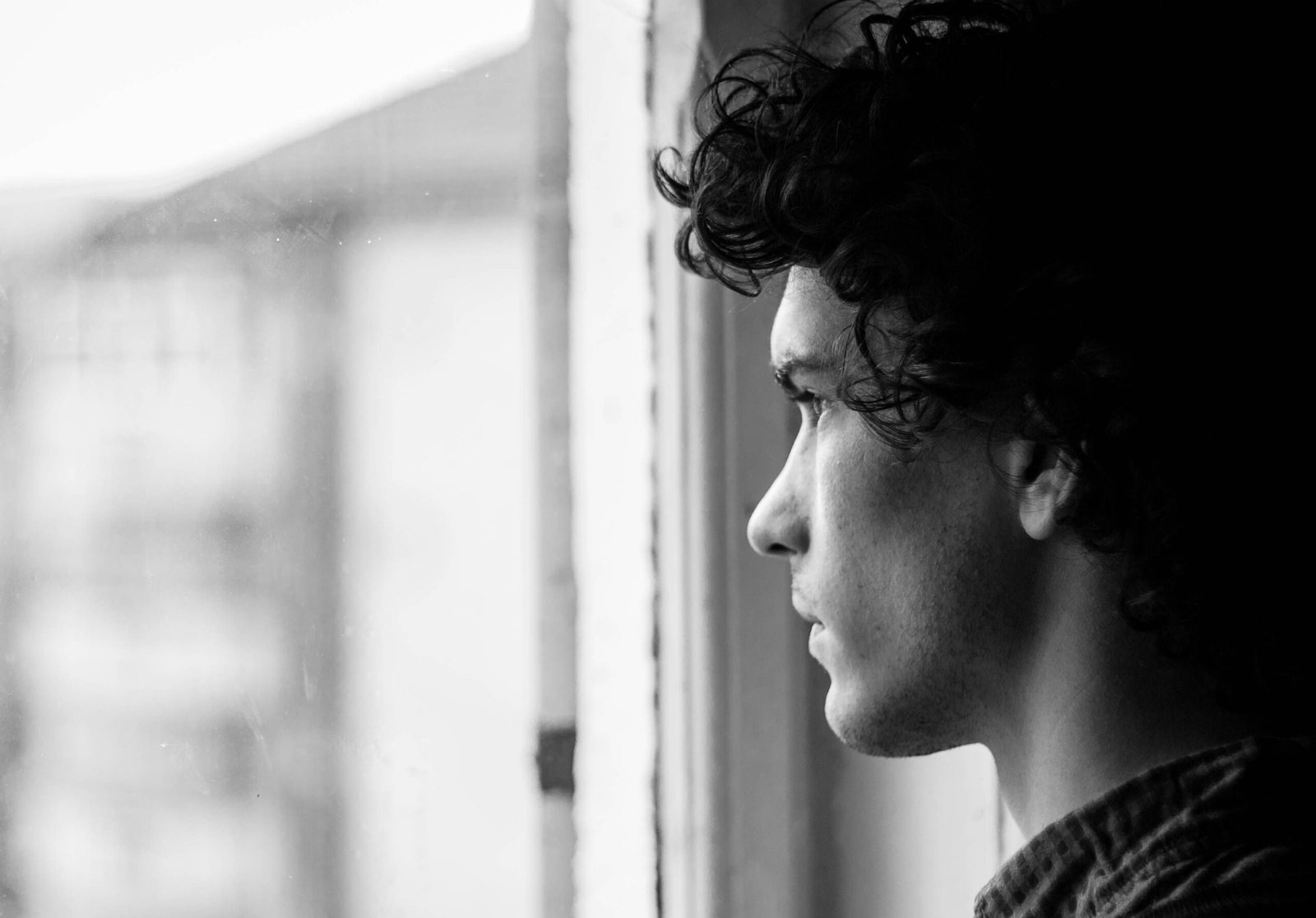
Depression in men frequently presents as anger, irritability, and physical symptoms rather than visible sadness, which is why it goes undiagnosed far more often than depression in women. Women are diagnosed with depression roughly twice as often as men, yet research controlling for these different symptom patterns finds depression rates in men and women converge to nearly identical levels once “hidden” symptoms like aggression and escapism are properly accounted for. Men are also nearly four times more likely to die by suicide, which makes recognising these less obvious signs a genuine matter of safety, not just awareness.
Why Depression Looks Different in Men
Social conditioning plays a central role: many men are raised to view emotional vulnerability as weakness, which pushes depression outward into anger, risk-taking or withdrawal rather than inward into openly expressed sadness. A University of Michigan study found that when researchers used a screening tool that included these “masked” symptoms, alongside traditional ones, depression rates in men and women became nearly identical, around 31% and 33% respectively. This strongly suggests depression isn’t actually less common in men; it’s simply less recognised, both by the men experiencing it and by the doctors and loved ones around them.
Emotional and Behavioural Signs
- Anger and irritability: often the most prominent sign in men, ranging from a short temper to road rage or a loss of sense of humour
- Escapist behaviour: excessive time spent on work, video games, sports, gambling, or pornography, used to avoid confronting underlying feelings
- Risky behaviour: reckless driving, unsafe sex, or other high-risk activity, sometimes reflecting a search for a sense of control or feeling
- Withdrawal from relationships: pulling away from partners, friends, or family, sometimes alongside controlling or abusive behaviour, which should never be excused even when it stems from underlying depression
- Increased substance use: alcohol or drugs used as a coping mechanism, frequently masking the underlying depression from both the man himself and people around him
Physical Signs
- Persistent fatigue and low energy
- Headaches, back pain, or digestive issues that don’t respond to normal treatment
- Sleep disturbances, either insomnia or sleeping significantly more than usual
- Significant weight loss or gain
- Sexual problems, including reduced libido or difficulty with arousal
Men are more likely than women to visit a doctor specifically about these physical complaints rather than mention low mood, which means depression can go unrecognised even during a medical appointment focused on a related symptom.
Cognitive Signs
- Difficulty concentrating or making decisions
- Loss of interest in hobbies or activities once enjoyed
- Difficulty meeting work or family responsibilities
- Persistent thoughts of worthlessness, though men are less likely to voice this openly than women
Depression in Men vs Women: Key Differences
| Feature | More Common in Men | More Common in Women |
|---|---|---|
| Primary expression | Anger, irritability, aggression | Sadness, hopelessness, guilt |
| Coping behaviour | Substance use, escapism, overwork | Increased appetite, excessive sleep, seeking social support |
| Diagnosis rate | Lower, despite similar underlying prevalence | Roughly twice as high |
| Suicide risk | Nearly 4x higher completion rate | Higher attempt rate, lower completion rate |
This gap in completed suicide despite lower attempt rates is partly explained by method: men are statistically more likely to use more lethal means, which is part of why recognising early warning signs in men carries such urgency.
Common Triggers for Depression in Men
- Job loss or significant career setbacks
- Relationship breakdown or divorce
- Loneliness and social isolation, particularly as social circles narrow with age
- Chronic health conditions or physical illness
- Becoming a new father, a frequently overlooked form of depression that can occur alongside a partner’s postpartum experience
Why Men Are Less Likely to Seek Help
Cultural stigma around vulnerability, fear of judgement, and concern about professional or social consequences all contribute to men under-reporting depression symptoms to doctors, friends and family. Less than half of men experiencing depression in the US seek any form of treatment for it, a gap that research consistently links to the same social norms driving symptom masking in the first place.
What to Do If You Recognise These Signs
- Talk to a GP, even if the conversation starts with physical symptoms rather than mood; a doctor can help connect the two
- Consider therapy, particularly approaches like CBT, which have strong evidence for treating depression regardless of how it initially presents
- Talk to someone you trust, even briefly; breaking the pattern of hiding symptoms is often the first meaningful step toward treatment
- Reduce reliance on escapism or substances as coping tools, and replace them gradually with support that addresses the underlying cause
If irritability and anger, rather than sadness, are the dominant pattern you’re noticing, our guide to signs of emotional exhaustion covers a related pattern of depletion worth ruling out alongside depression.
Supporting a Man You’re Concerned About
- Notice behavioural changes, not just emotional ones: withdrawal, increased anger, or new risk-taking are often more visible than sadness
- Approach the conversation without judgement, and avoid framing it as a confrontation about “what’s wrong”
- Encourage professional support without pressuring or forcing the issue
- Take any mention of suicide or self-harm seriously and seek immediate help
How Is Depression Different for Men Compared to Women?
Depression in men more frequently presents as anger, aggression, escapist behaviour and physical complaints, while depression in women more frequently presents as visible sadness, guilt and hopelessness. The underlying condition is the same; what differs is largely how social conditioning shapes its outward expression, which is why standard depression screening tools, originally built around more typically female-presenting symptoms, can under-detect depression in men.
Frequently Asked Questions
Can depression in men be mistaken for just stress or a bad mood?
Yes, frequently. Irritability and physical fatigue are often dismissed as ordinary stress. A useful distinction is duration and impact: if symptoms persist for more than two weeks and interfere with work, relationships, or daily functioning, it points toward clinical depression rather than a passing bad patch.
Is anger really a symptom of depression?
Yes, particularly in men. Research consistently finds men are more likely to express depression through irritability and aggression than through visible sadness, which is why anger is now recognised as a legitimate depression symptom in gender-sensitive screening tools.
Why do men die by suicide more often than women?
Multiple factors contribute: men are statistically more likely to use more lethal methods, less likely to seek help before reaching a crisis point, and depression in men often goes undiagnosed until it has become severe, reducing the window for intervention.
Does postpartum depression affect men too?
Yes. Paternal postnatal depression is a recognised, though under-discussed, condition affecting new fathers, sometimes occurring alongside a partner’s postpartum depression, and it responds to the same evidence-based treatments as depression more generally.
This article is for general information only and is not a substitute for professional mental health advice. If you or someone you know is having thoughts of suicide or self-harm, please contact a crisis support service immediately or speak to a GP.
About the Author: Written by the Well Ideas editorial team, dedicated to researching and sharing practical, evidence-informed wellness guidance for a healthier everyday life.