Can beginners do yoga at home?
Yes. Most healthy adults can start yoga at home with a few simple poses and slow breathing. Start with short sessions. Build up slowly. Stop if anything hurts. This guide covers beginner tips, breathing, safety, a simple routine, and when to check with a GP first.
Yoga is a form of low-impact exercise. It combines gentle movement, stretching, breathing, and relaxation. Many people find it helps them feel calmer and more flexible. It is not a treatment for any health condition.
Beginner tips
Start small. Set aside 10 to 15 minutes. A short daily session is better than one long session once a week.
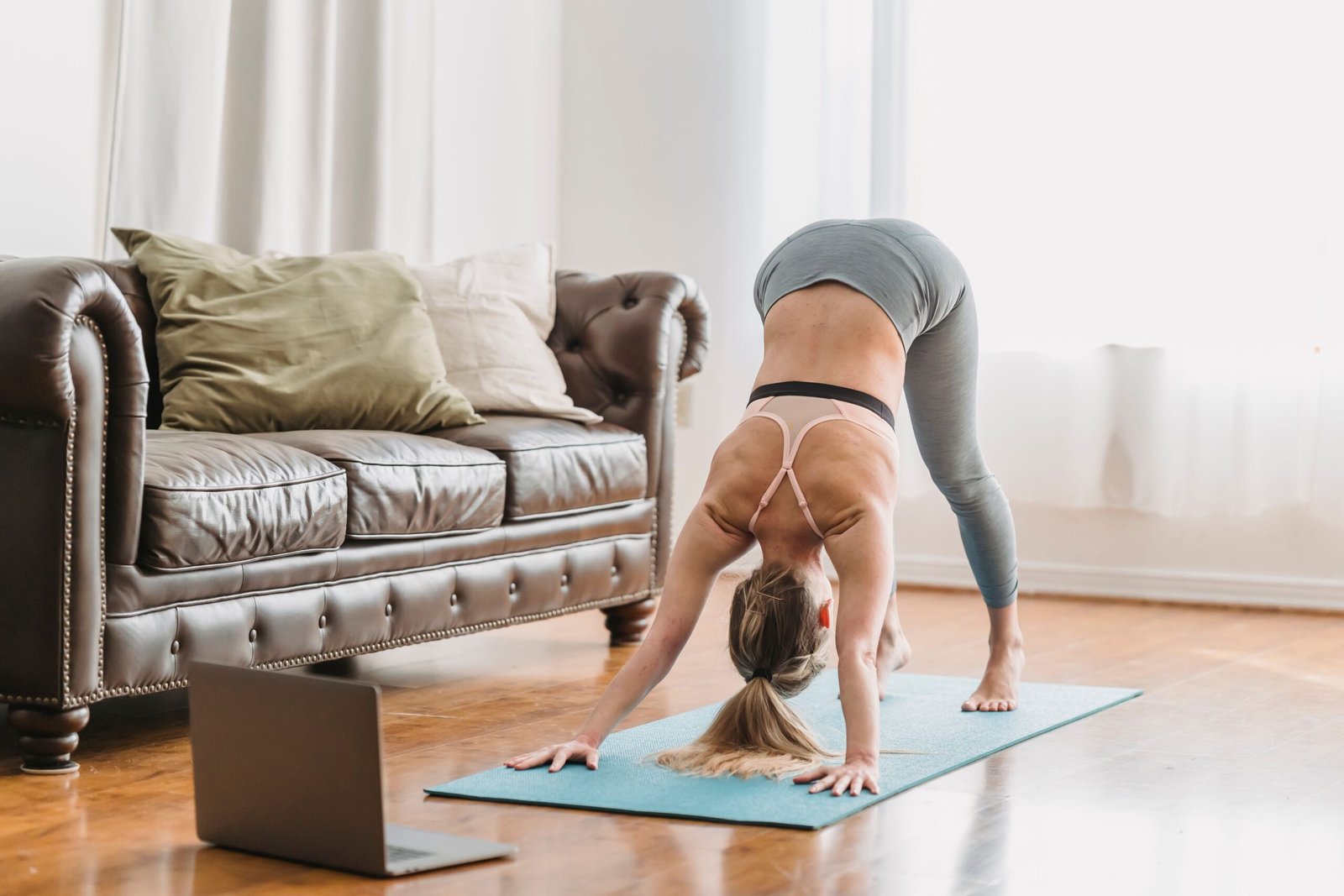
Pick a quiet spot. Choose a place with enough room to lie down and stretch your arms out. A corner of a room is fine. You do not need a studio.
Use a mat. A yoga mat stops you slipping. A folded blanket or towel can help under your knees. Wear clothes you can move in. You do not need special branded clothing.
Go slowly. Move into each pose gently. Never bounce or force a stretch. Hold each pose for a few slow breaths. If your balance is wobbly, stand near a wall or a sturdy chair.
Do not compare yourself with others. Flexibility varies a lot. Your aim is to move gently and breathe well, not to copy the person on the next mat.
Breathing
Breathing is a key part of yoga. Try this simple pattern from the NHS before you start:
- Sit or lie down somewhere comfortable.
- Breathe in through your nose and out through your mouth.
- Count steadily from 1 to 5 as you breathe in, and 1 to 5 as you breathe out.
- Repeat for at least 5 minutes.
Let your breath flow gently into your belly, without forcing it. The NHS has the full steps in its breathing exercises for stress. Our guide to the benefits of deep breathing exercises explains more.
Safety: who should check with a GP first
Most people can try gentle yoga. But check with your GP or a physiotherapist first if you:
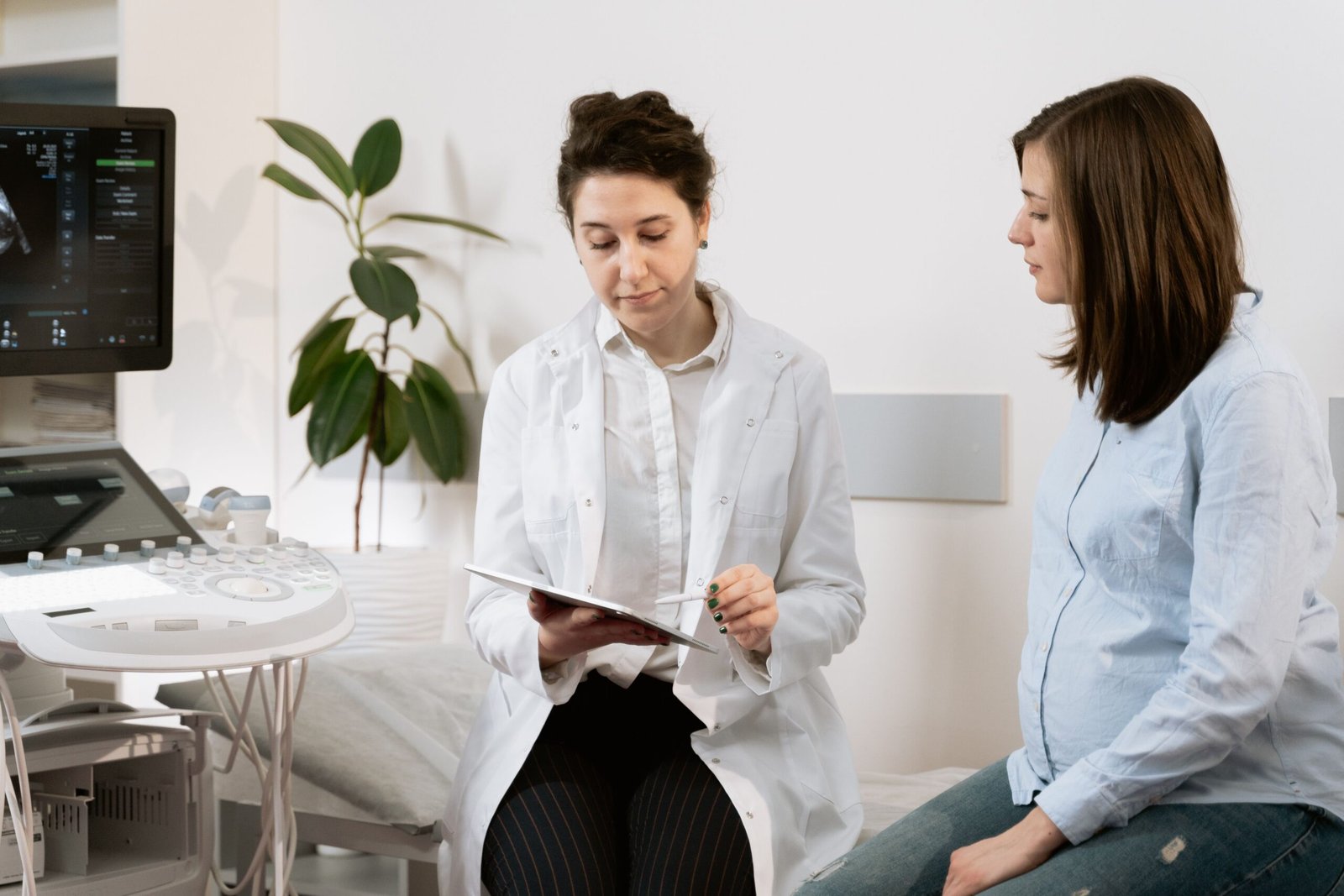
- Are pregnant
- Have high or low blood pressure
- Have a heart condition
- Have osteoporosis or a recent fracture
- Have a back, neck, or joint problem
- Have had recent surgery
- Feel dizzy or unsteady on your feet
Stop if you feel pain, dizziness, or shortness of breath. Pain is not a normal part of yoga. If a pose hurts, come out of it slowly and rest.
A simple 15-minute routine
Try this gentle sequence. Breathe slowly through each step.
1. Seated breathing, 2 minutes. Sit tall. Close your eyes if that feels safe. Breathe in for 5 counts and out for 5 counts.
2. Cat and cow, 2 minutes. On hands and knees, arch your back as you breathe out, then gently dip your back as you breathe in.
3. Downward facing dog, 1 minute. From hands and knees, tuck your toes under and lift your hips. Keep your knees soft. Let your head hang. Step back to hands and knees if your wrists ache.
4. Standing forward bend, 1 minute. Stand tall, then fold forward with soft knees. Let your arms hang. Rise up slowly.
5. Tree pose, 2 minutes. Stand near a wall. Place one foot on the inside of the opposite ankle or calf, not on the knee. Hold the wall if you need to. Swap sides.
6. Seated twist, 2 minutes. Sit with legs out. Bend one knee over the other and turn gently towards it. Swap sides.
7. Lying rest, 5 minutes. Lie on your back with your arms by your sides. Close your eyes. Breathe slowly. This is the most important part.
Rest between poses if you need to. Our guide to how to improve flexibility naturally has more gentle ideas. Our guide to how to sleep better naturally may help if you practise yoga in the evening.
How to build a habit
Pick the same time each day, such as early morning or after work. Put your mat somewhere you can see it. Practise for 10 minutes on busy days. Longer sessions can wait for the weekend. If you miss a day, just start again the next day.
Frequently asked questions
Do I need to be flexible to start yoga?
No. Flexibility is not a requirement. Gentle practice is itself a way to improve it. Start with the easy poses in this guide.
What should I wear for yoga?
Wear clothes you can move in. You do not need any special brand. Bare feet help you grip the mat.
Is yoga safe during pregnancy?
Check with your GP or midwife first. Special pregnancy yoga classes are available. Do not start a new intense routine while pregnant without advice.
How often should I practise yoga?
A little each day is best. Aim for 10 to 15 minutes most days, then build up as you feel able.
When should I stop and get help?
Stop if you feel pain, dizziness, or shortness of breath. If a joint or muscle problem does not settle, see your GP or a physiotherapist.
Sources
If a claim in this article cannot be verified from the NHS, it is left out. For personal advice, check NHS.uk or speak to your GP.
What if yoga feels too hard?
Start with the easiest poses in this guide, such as seated breathing and lying rest. Use a chair for balance. Rest as often as you need. If a pose still feels too hard after a few weeks, try a beginner class with a qualified teacher. A teacher can check your form and suggest easier options. Avoid classes that push you into deep stretches.