
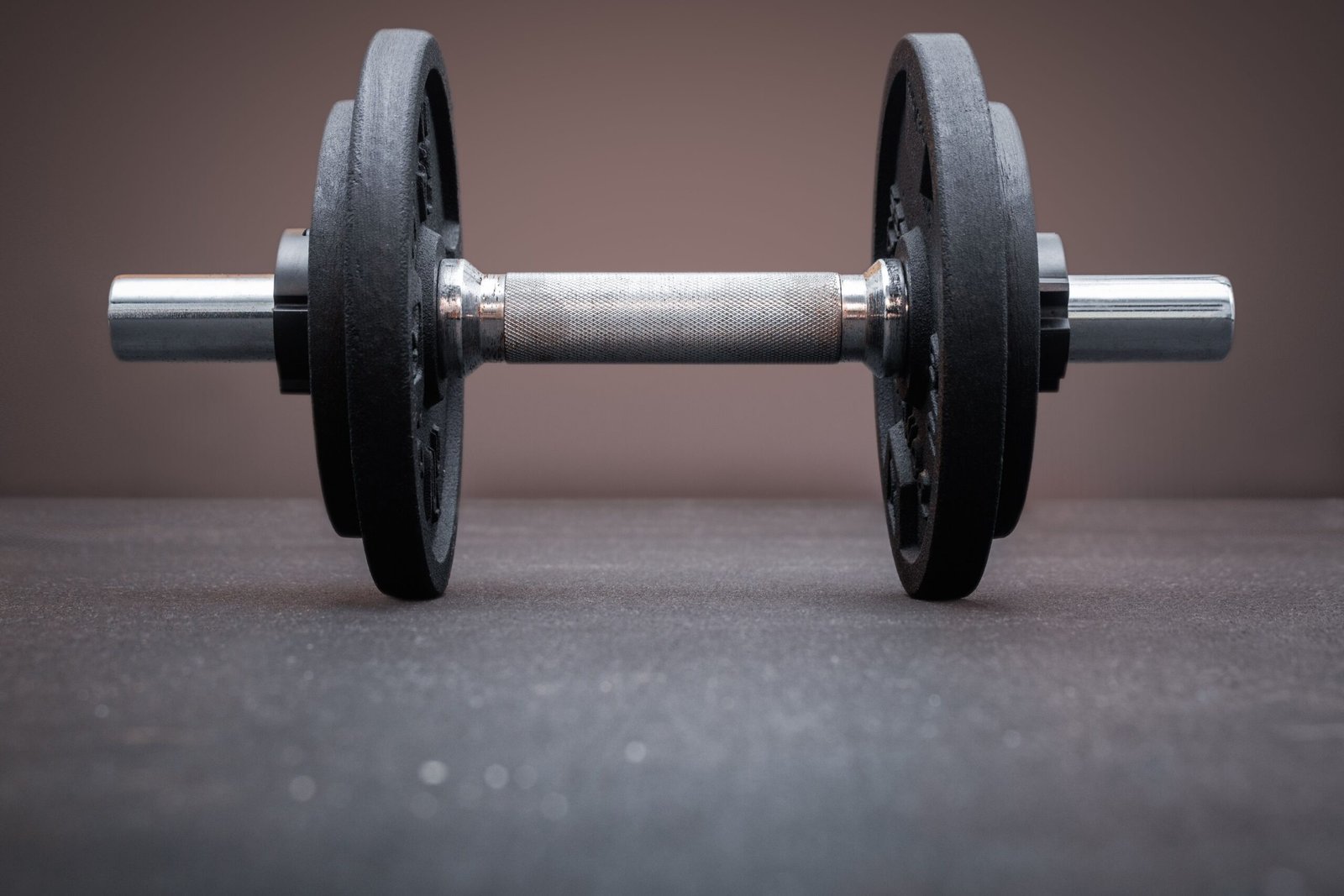
Strength training for beginners works through one core mechanism: progressive overload, the gradual, planned increase of stress placed on a muscle so it adapts and grows stronger. A beginner programme needs three elements to work safely: correct form learned before load, a structured way to add difficulty week by week, and enough recovery between sessions for muscles to rebuild. Most beginners can train three full-body sessions a week and see measurable strength gains within four to six weeks.
What Is Progressive Overload?
Progressive overload is the practice of gradually increasing the demand placed on a muscle over time, forcing it to adapt by growing stronger and more resilient. Without it, a body plateaus: lifting the same weight for the same reps signals no reason for muscle or strength to change. Beginners typically progress faster than experienced lifters, a phenomenon often called “newbie gains,” because an untrained nervous system and muscular system respond rapidly to almost any consistent new stimulus.
Four Ways to Apply Progressive Overload
| Method | How It Works | Best For Beginners? |
|---|---|---|
| Increase weight | Add a small amount of resistance once current weight feels manageable | Use after mastering reps and form |
| Add reps | Perform more repetitions with the same weight before increasing load | Best starting point for beginners |
| Add sets | Increase total training volume by adding an extra set | Use once reps and weight progression plateau |
| Improve form and control | Slow the tempo or increase range of motion to make the same weight harder | Useful throughout, especially early on |
The standard beginner sequence is: master reps and form first, then increase weight, then add sets last. Trying to increase weight and reps simultaneously creates more stress than a beginner’s connective tissue and coordination can safely absorb.
Step-by-Step: How to Start Strength Training
1. Learn Compound Movements First
Compound exercises, including squats, deadlifts, bench presses, and rows, recruit multiple muscle groups simultaneously and allow for heavier, more efficient loading than isolation exercises like bicep curls. Building a beginner programme around five or six compound movements delivers more strength and muscle return per session than a programme built around isolation work.
2. Master Form Before Adding Weight
Choose a weight light enough to perform every rep with clean technique through a full range of motion. Form should never be compromised to lift heavier; if the last few reps of a set break down technically, the weight is too heavy for that session. A slower, controlled rep with lighter weight builds strength more safely than a rushed rep with heavier weight and poor form.
3. Choose a Rep Range for Your Goal
| Goal | Rep Range | Typical Sets |
|---|---|---|
| Strength | 3-8 reps | 3-5 sets |
| Muscle growth (hypertrophy) | 8-12 reps | 3-4 sets |
| Muscular endurance | 12-20 reps | 2-3 sets |
4. Progress One Variable at a Time
Change only one training variable per adjustment: weight, reps, or sets, not multiple at once. For a beginner, a typical weekly progression looks like: keep the same weight and add one rep per set until the top of the rep range is reached with good form, then increase the weight by roughly 2.5 to 5kg and drop back to the bottom of the rep range to repeat the cycle.
5. Train Full-Body, Three Times a Week
A full-body routine performed three times a week, with a rest day between sessions, gives beginners enough frequency to build strength quickly while allowing adequate recovery. This structure works better for beginners than split routines (which train specific muscle groups on separate days), since beginners need more total practice with each movement pattern to build coordination and technique.
Sample Beginner Full-Body Workout
| Exercise | Sets x Reps | Muscles Targeted |
|---|---|---|
| Goblet squat | 3 x 10-12 | Quads, glutes, core |
| Dumbbell romanian deadlift | 3 x 10-12 | Hamstrings, glutes, lower back |
| Push-up or incline press | 3 x 8-12 | Chest, shoulders, triceps |
| Dumbbell row | 3 x 10-12 | Back, biceps |
| Plank | 3 x 30-45 seconds | Core |
How to Know When to Increase the Weight
- You complete every set at the top of your target rep range with good form
- The last two reps of your final set still feel challenging but achievable, rather than impossible
- You could realistically perform two to three more reps if pushed, a concept known as “reps in reserve”
When these conditions are met, add roughly 5-10% more resistance and drop back to the lower end of your rep range for that exercise.
Signs You’re Progressing Too Fast
- Constant fatigue that doesn’t improve with a rest day
- A noticeable dip in performance compared to the previous session
- Poor recovery, including persistent soreness lasting more than 72 hours
- Nagging joint pain, as opposed to normal muscle fatigue
Progressive overload should feel challenging, not crushing. If any of these signs appear, a deload week (temporarily reducing weight or volume by 30-50%) allows the body to recover before resuming progression.
Recovery: The Overlooked Half of Progressive Overload
Muscle growth happens during recovery, not during the workout itself. Training creates microscopic tears in muscle fibres; the body repairs and strengthens them during rest, provided sleep, nutrition and hydration support that process. Beginners commonly overlook this, treating strength gains as purely a function of the workout rather than the workout plus recovery combined. Our guide to how to sleep better naturally covers habits that directly support this recovery process. For a complementary way to build core and stabiliser strength alongside your main lifts, our guide to balance board exercises covers a research-backed, low-impact addition to any strength routine.
How Long Until You See Results?
Most beginners notice measurable strength improvements, being able to lift more weight or complete more reps, within two to four weeks of consistent training. Visible muscle changes typically take longer, around eight to twelve weeks, since strength gains in the first month come primarily from improved neural efficiency (the nervous system learning to recruit muscle fibres more effectively) rather than actual muscle growth.
Frequently Asked Questions
Do I need a gym to start strength training?
No. Bodyweight exercises, resistance bands, or a single pair of adjustable dumbbells are sufficient to apply progressive overload as a beginner. A gym provides more equipment variety and heavier loading options as strength increases, but it is not a requirement to start.
How much weight should a beginner start with?
Start with a weight that allows 10-12 clean reps with the last two feeling challenging but manageable. The exact number varies significantly by exercise and individual, which is why form and how the weight feels matter more than a fixed starting number.
Is it normal to be sore after every workout?
Mild soreness (delayed onset muscle soreness, or DOMS) lasting one to three days is normal, particularly when starting a new exercise or increasing intensity. Soreness lasting longer than 72 hours, or sharp joint pain rather than general muscle fatigue, are signs to scale back and prioritise recovery.
Can beginners train strength every day?
No, not the same muscle groups. Muscles need 48 to 72 hours to recover and rebuild after a strength session. A full-body routine three times a week, with rest or light activity on the other days, allows for consistent progress without overtraining.
This article is for general information only and is not a substitute for professional guidance. If you have an injury, chronic condition, or are new to exercise after a long break, please consult a doctor or qualified personal trainer before starting a strength training programme.
About the Author: Written by the Well Ideas editorial team, dedicated to researching and sharing practical, evidence-informed wellness guidance for a healthier everyday life.