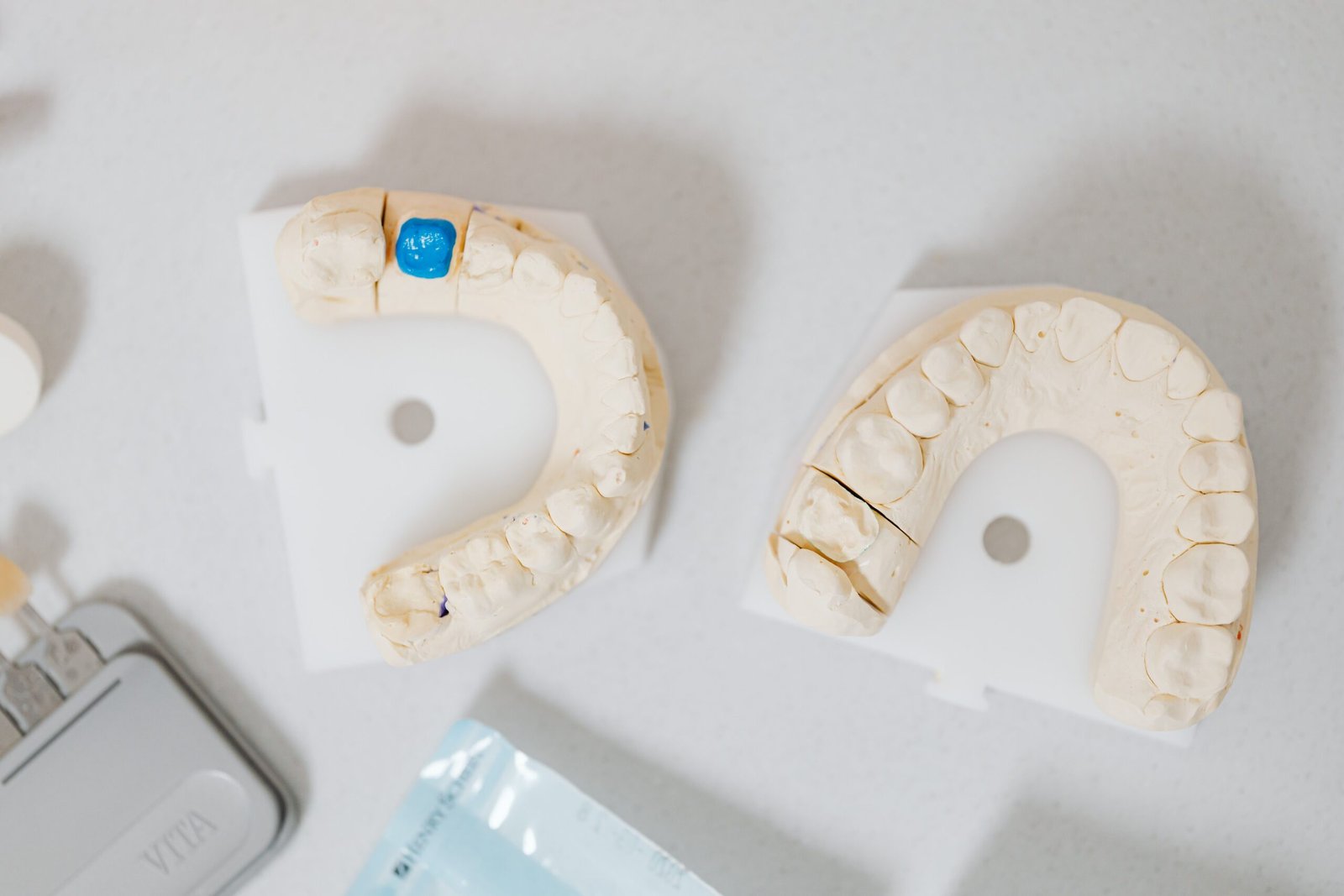
Does turmeric and coconut oil paste whiten teeth?
There is no good evidence that a turmeric and coconut oil paste whitens teeth or prevents tooth decay. It is a traditional home remedy. It is not a substitute for brushing with fluoride toothpaste and seeing a dentist. This guide explains what the evidence does and does not show, how to use the paste safely, and what really keeps teeth healthy.
Turmeric and coconut oil are popular natural ingredients in homemade oral care pastes. Turmeric contains curcumin, a compound that laboratory studies have described as having antibacterial and anti-inflammatory effects. Coconut oil has also been described as having some antimicrobial activity. These laboratory results do not prove that the paste whitens teeth, removes tartar, or treats gum disease in people.
What is the paste?
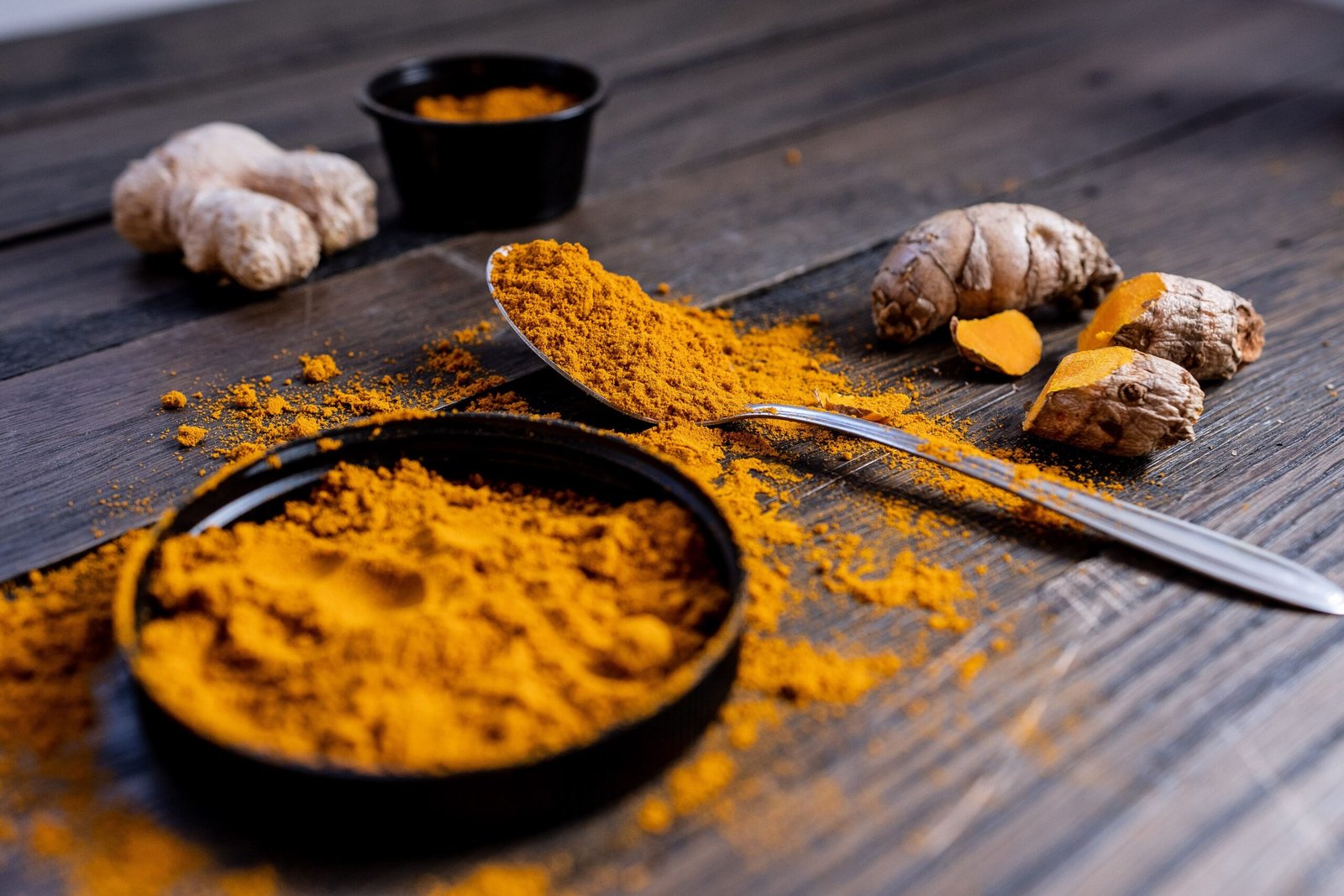
People mix turmeric powder with coconut oil to make a thick paste. Some add a drop of peppermint oil for flavour. A common recipe is one tablespoon of coconut oil, one teaspoon of turmeric, and two drops of peppermint oil.
Mix the ingredients into a thick paste. Use it only as an occasional addition to your normal fluoride toothpaste routine, not as a substitute for it. Brush gently. Rinse thoroughly after. Turmeric can temporarily stain teeth, gums, and clothing yellow, especially with heavy use.
What the evidence does and does not show
What it may do: Some small studies have looked at turmeric or coconut oil in the mouth, and some people find the paste leaves their mouth feeling fresh. The evidence is limited and not strong enough to rely on.
What it does not do: There is no NHS or Cochrane evidence that the paste whitens teeth, removes tartar, prevents tooth decay, or treats gum disease. No large clinical trials in people have shown that it whitens teeth.
Tartar: Once plaque hardens into tartar, only professional scaling removes it safely. No home paste, mixture, or remedy changes this, whatever the ingredients.
Oil pulling: Swishing oil around the mouth is sometimes claimed to clean teeth and remove toxins. There is no good evidence that it whitens teeth or prevents decay. Our guide to how to remove plaque from teeth and improve gum health covers what home remedies are actually supported, and what they are not.
Why it is not a substitute for brushing with fluoride toothpaste
The NHS advises you to brush your teeth twice a day for about 2 minutes with a fluoride toothpaste. Adults should use a toothpaste that contains at least 1,350 parts per million (ppm) fluoride. Brush all the surfaces of your teeth and your tongue. Do not rinse with water straight after brushing, as this washes the fluoride off.
Fluoride helps to protect teeth from decay. A turmeric and coconut oil paste contains no fluoride. It cannot do the same job. Clean between your teeth daily with floss or interdental brushes. Change your toothbrush when the bristles start to spread out.
If you want whiter teeth, ask your dentist about your options. Do not use home pastes, baking soda scrubs, or lemon juice to whiten your teeth. These can wear away enamel and make your teeth more sensitive.
Seeing a dentist
Attend regular dental check-ups at the interval your dentist recommends. A dentist can spot decay and gum disease early, when treatment is simpler. If you have pain, swelling, bleeding gums, or a loose tooth, contact a dentist promptly.
NHS dental care is organised into bands. Our guide to NHS dental bands explained sets out what each band covers and what it costs. If you need an NHS dentist, our guide to how to find an NHS dentist accepting new patients in the UK explains where to look.
Safety
Turmeric and coconut oil are foods, but the paste is not risk-free:
- Turmeric can stain teeth, gums, and clothing yellow for a while.
- It can irritate the gums or the lining of the mouth, especially if used often.
- Peppermint oil can irritate the mouth. Do not use undiluted essential oils.
- Coconut oil is high in saturated fat. Do not swallow large amounts.
- Do not use the paste if you are allergic to turmeric or coconut.
- Keep it away from children.
Stop using the paste if your gums feel sore, if you notice irritation, or if your teeth become more sensitive. See a dentist if the problem does not settle.
Frequently asked questions
Does turmeric and coconut oil paste whiten teeth?
There is no good evidence that it whitens teeth. It may leave your mouth feeling fresh, but it is not a whitening treatment. Ask your dentist about safe whitening options.
Can the paste remove tartar?
No. Once plaque hardens into tartar, only professional scaling removes it safely. No home paste can do this.
Is oil pulling proven?
No. There is no good evidence that swishing oil around the mouth whitens teeth or prevents decay.
Can I use the paste instead of toothpaste?
No. It contains no fluoride. Brush twice a day with a fluoride toothpaste, and clean between your teeth daily.
Is the paste safe for children?
Children should use a fluoride toothpaste as advised by the NHS and their dentist. Do not give them a homemade paste. Ask your dentist for advice.
When should I see a dentist?
See a dentist if you have pain, swelling, bleeding gums, a loose tooth, or if your teeth feel more sensitive. Go for regular check-ups at the interval your dentist recommends.
Sources
This article is for general information only. It is not a substitute for professional dental advice. If a claim in this article cannot be verified from the NHS, it is marked as not verified. For personal advice, check NHS.uk or speak to your dentist.