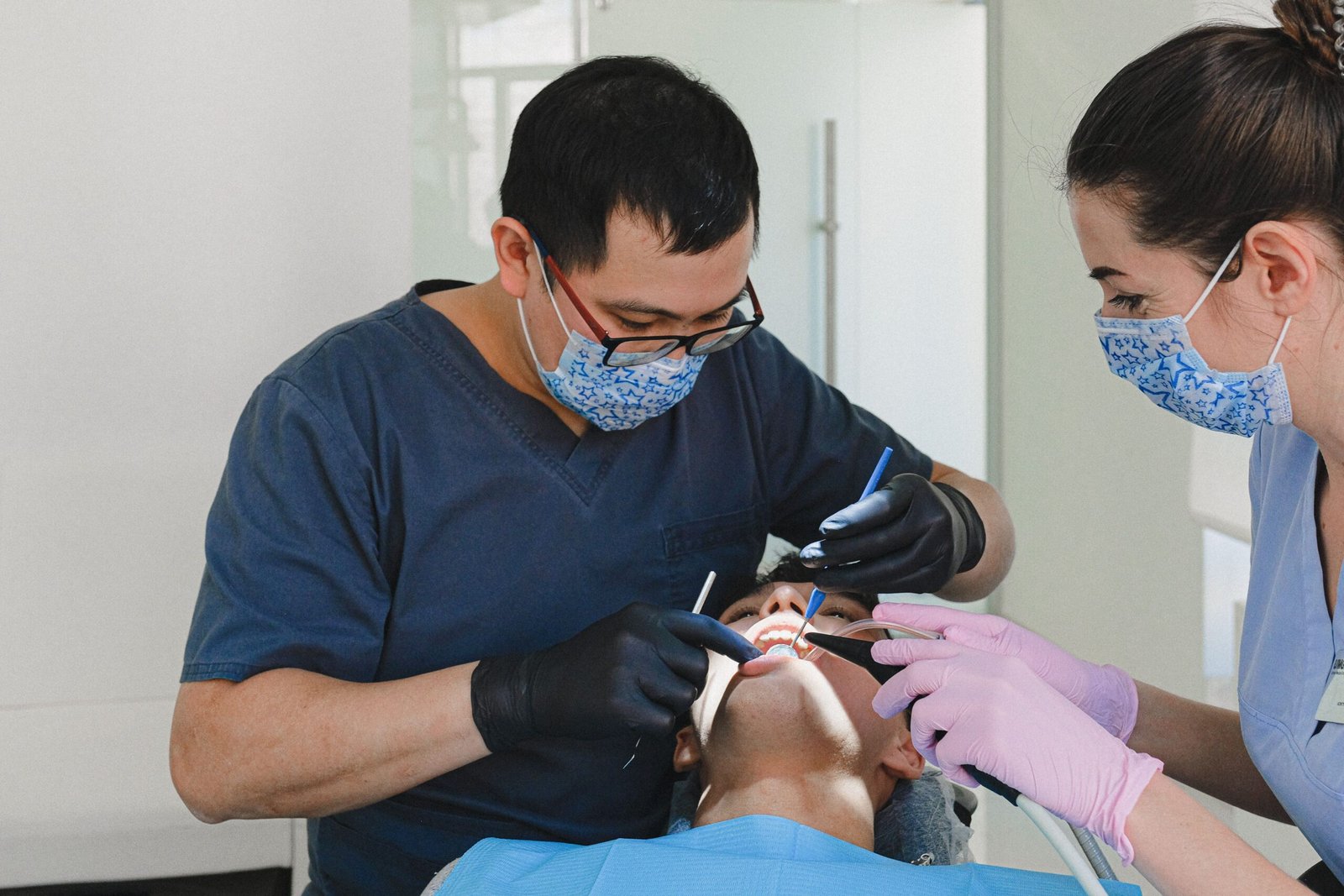
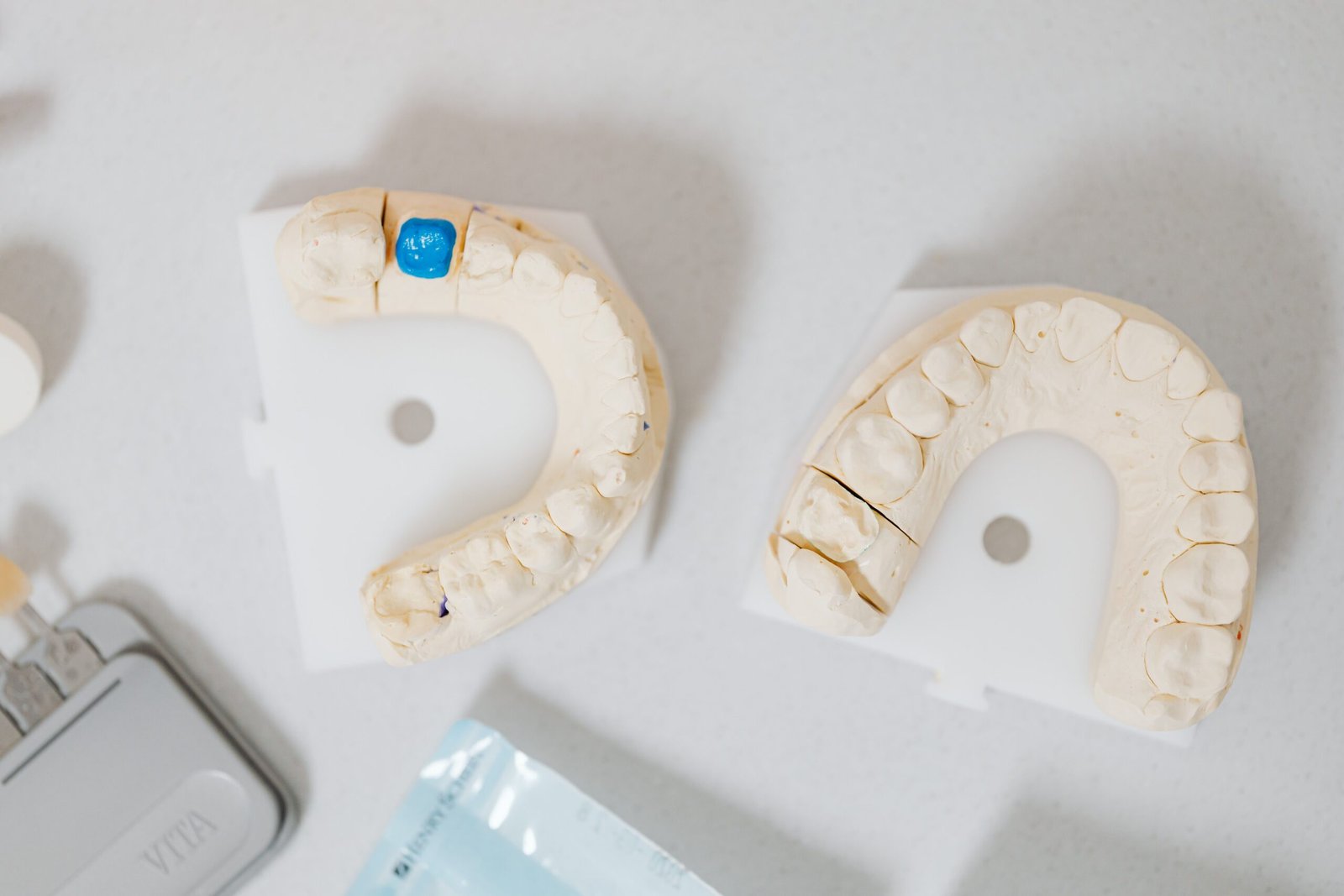
Yes, you can get a crown on the NHS. It costs £332.10 in England under Band 3, and this single charge covers your entire course of treatment, including any exam, X-rays or fillings needed beforehand. Your dentist chooses the material based on clinical need, not your preference. This confuses many patients, since several popular guides claim white crowns are unavailable on the NHS. That claim is only partly true.
How Much Does the NHS Charge for a Crown?
A crown falls under Band 3, the highest NHS dental charge band, currently £332.10 in England as of April 2026. This charge is fixed regardless of how many crowns you need in the same course of treatment, and it also absorbs any Band 1 or Band 2 work carried out alongside it, such as the check-up that identified the problem or a filling done first.
NHS Crown Cost Across the UK
| Nation | Crown Cost |
|---|---|
| England | £332.10 (Band 3) |
| Wales | £203.00 (fixed fee) |
| Scotland | 80% of cost, capped at £384 |
| Northern Ireland | 80% of cost, capped similarly |
Wales charges considerably less than England for the same treatment, reflecting its separate, item-based fee structure introduced in April 2026. Our guide to NHS dental bands explained covers exactly how these figures compare across every band, not just Band 3.
What Type of Crown Can You Get on the NHS?
This is where a lot of online advice gets it wrong. NHS.uk’s own guidance states a crown is “usually made from metal, ceramic or porcelain fused to metal.” Ceramic is genuinely on the NHS materials list, not excluded outright. The confusion comes from a real but narrower point: the newest premium ceramics, specifically zirconia and Emax, are generally private-only, since NHS practices don’t routinely stock these costlier, more recently developed materials. Traditional ceramic and porcelain-fused-to-metal crowns remain a legitimate NHS option when your dentist judges them clinically appropriate, most commonly for front teeth.
NHS Crown Materials Explained
| Material | Typical NHS Use |
|---|---|
| Metal (gold or alloy) | Back teeth, where strength matters more than appearance |
| Porcelain fused to metal | Either position; metal core with a tooth-coloured outer layer |
| All-ceramic/porcelain | Front teeth, or where the dentist judges it clinically appropriate |
| Zirconia, Emax | Generally not routinely available on the NHS; private only |
Your dentist selects the material based on the tooth’s position, your bite, and clinical durability requirements, not simply on what looks best. Ask directly whether a ceramic option is available for your specific tooth before assuming you must go private.
Private Crown Cost by Material
| Material | Private Cost |
|---|---|
| Metal (gold or alloy) | £400 to £600 |
| Porcelain fused to metal | £450 to £800 |
| All-ceramic/porcelain | £600 to £1,000 |
| Zirconia | £700 to £1,200 |
| Emax | £650 to £1,600 |
NHS vs Private Crown Cost
| Factor | NHS | Private |
|---|---|---|
| Cost (England) | £332.10, any material offered | £400 to £1,600, depending on material |
| Material choice | Clinically appropriate only | Full range, including zirconia and Emax |
| Lab turnaround | Typically 2 to 3 weeks | Often 5 to 10 days with express service |
| Appointment length | Standard NHS slot | Often longer, more flexible |
Our guide to NHS vs private dental care covers this comparison across every treatment type, not just crowns.
Crowns vs Bridges: When Each Applies
A crown covers and protects a single damaged or weakened tooth. A bridge replaces one or more missing teeth entirely, anchored by crowns fitted to the teeth on either side of the gap. A three-unit traditional bridge falls under the same Band 3 charge as a single crown, £332.10 in England, since bridges sit within the same treatment band. Where the surrounding teeth would need heavy preparation to support a bridge, your dentist may suggest a dental implant instead, though implants are rarely funded by the NHS and typically cost £1,500 to £3,000 privately.
Regional Price Differences for Private Crowns
Private crown prices are not uniform across the UK. Central London practices typically charge 20 to 30% more than regional averages, reflecting higher overheads. A crown costing £600 in the North of England could reasonably cost £750 to £900 in central London for the same material and comparable quality.
What’s Included in the NHS Crown Charge?
- Initial examination and diagnosis
- X-rays, if clinically needed
- Preparation of the tooth and impressions
- The crown itself, made to a clinically appropriate specification
- Fitting and any necessary adjustments
- A 12-month guarantee on the finished work
Preliminary treatment such as root canal therapy or extraction of a different, unrelated tooth is charged separately, usually at Band 1 or Band 2, if it isn’t part of preparing the same crowned tooth.
The 12-Month Guarantee on NHS Crowns
If your NHS crown fails within 12 months of being fitted, your dentist repairs or replaces it at no additional charge. Separately, if you need further Band 3 treatment within two months of your original crown, you don’t pay a second charge for it.
Can I Get Free Crowns on the NHS?
Yes, if you qualify for free NHS dental treatment. This includes anyone under 18, or under 19 in full-time education, pregnant women and new mothers, people on qualifying benefits including Pension Credit Guarantee Credit, and people holding an HC2 certificate through the NHS Low Income Scheme. Reaching pension age alone does not make treatment free. Our guide to free and low-cost dental care in the UK covers every eligibility route in detail.
What Happens If I Can’t Afford a Crown?
If Band 3 still feels out of reach, several genuine options exist beyond paying nothing and leaving the tooth untreated, which risks further decay or tooth loss. A UK dental school offers supervised student treatment at a fraction of standard cost, sometimes free. Many private practices offer 0% finance over 6 to 12 months on treatments above roughly £250. Check whether you qualify for the NHS Low Income Scheme even if you’re not on a qualifying benefit. Our guide to free and low-cost dental care covers all of these routes together in full detail.
How Long Do NHS Crowns Last?
Most crowns, NHS or private, last 10 to 15 years with proper care, and metal crowns often last 15 to 20 years. Lifespan depends more on oral hygiene, diet, and whether you grind your teeth than on which material was used. Avoiding hard foods, wearing a night guard if you grind, and attending regular check-ups all help a crown outlast its expected lifespan.
Frequently Asked Questions
Can I get a white crown on the NHS?
Yes, ceramic and porcelain-fused-to-metal crowns are on the NHS’s own materials list, most commonly offered for front teeth. Premium materials like zirconia and Emax are generally private-only.
How much does the NHS charge for a crown?
£332.10 in England as of April 2026, under Band 3. This single charge covers your full course of treatment, not just the crown itself.
How much does a private dental crown cost in the UK?
Between £400 and £1,600, depending on material. Metal is cheapest, followed by porcelain-fused-to-metal, then all-ceramic, with zirconia and Emax at the premium end.
Is it true that you can’t get zirconia crowns on the NHS?
Largely, yes. While traditional ceramic is a genuine NHS material option, zirconia specifically is not routinely stocked or offered on the NHS in most practices, since it’s a more recently developed, costlier material typically reserved for private treatment.
What happens if my NHS crown falls off?
If it happens within 12 months of fitting, your dentist repairs or replaces it free of charge under the NHS guarantee. Contact your dental practice promptly and don’t attempt to reattach it yourself.
Can you get NHS crowns for cosmetic reasons alone?
No. NHS crowns are provided when clinically necessary, such as a broken, decayed or weakened tooth. If you want a crown purely to improve the appearance of a healthy tooth, that is private treatment only.
This article is for general information only and is not a substitute for professional dental advice. Charges, materials and clinical availability vary by practice and can change; confirm current details with your dentist directly.
About the Author: Written by the Well Ideas editorial team, dedicated to researching and sharing practical, evidence-informed wellness guidance for a healthier everyday life.